Hart's-tongue fern (Asplenium scolopendrium)
Care, watering, light and tips for Hart's-tongue fern on Floravia.
Quick facts
- Family: Aspleniaceae
- Difficulty: Moderate care
- Watering: every 3 days
- Light: Partial shade
- Temperature: 10–30 °C
About Hart's-tongue fern
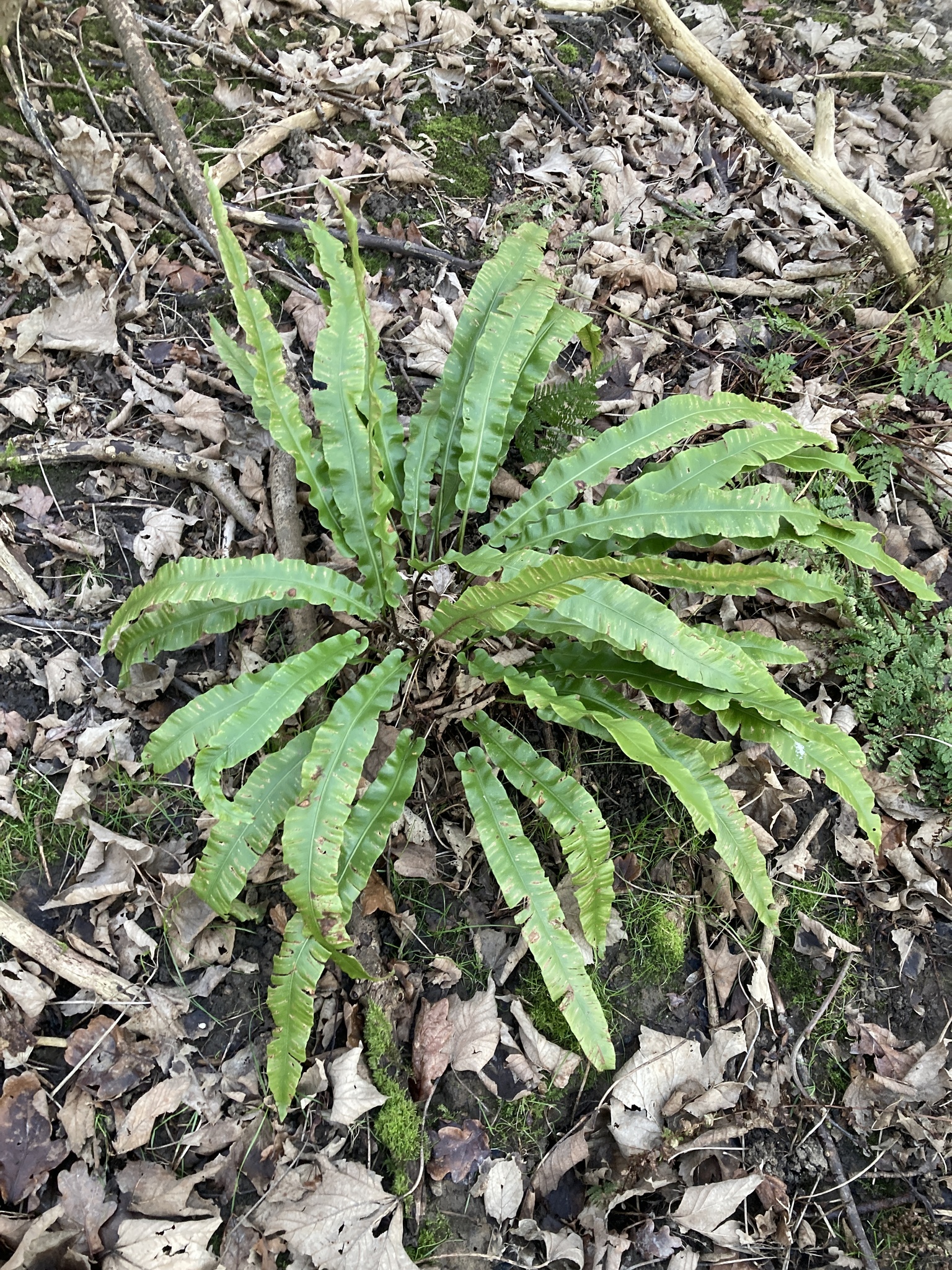
Asplenium scolopendrium, commonly known as 'hart's-tongue fern', is a perennial fern characterized by its undivided, glossy, strap-shaped fronds that resemble a deer's tongue. Its erect and wavy leaves grow directly from a short rhizome, forming an attractive rosette. It's an excellent choice for shady gardens, rockeries, or as a potted indoor plant, adding an elegant touch of greenery and unique texture.
Native range
Europe, Asia, and North America
Care tips
It thrives in partial to full shade and humid environments, avoiding direct sunlight which can scorch its fronds. Keep the substrate consistently moist but not waterlogged, especially during warmer months; reduce watering in winter. It requires well-draining, organic-rich soil that is slightly alkaline to neutral. A common mistake is allowing the soil to dry out completely, which leads to wilting and yellowing of the leaves.
How to save a dying Hart's-tongue fern
- Warning signs
- Pale, yellowish leaves or brown, dry tips indicate lack of humidity or nutrients. Soft, dark fronds: overwatering.
- First aid
- Increase ambient humidity with a humidifier or pebble tray. Check substrate and water only when top layer is dry. If waterlogged, remove and inspect roots.
- What kills it
- Extreme dry air and substrate, or constant waterlogging that rots roots. Avoid direct sunlight.
- Can it be saved?
- Yes, if roots are not completely rotted or fronds are not entirely dry. Patience and humidity are key.