Marsh violet (Viola palustris)
Care, watering, light and tips for Marsh violet on Floravia.
Quick facts
- Family: Violaceae
- Difficulty: Easy to care for
- Watering: every 3 days
- Light: Partial shade
- Temperature: 10–30 °C
- Toxicity: Toxic to pets
About Marsh violet
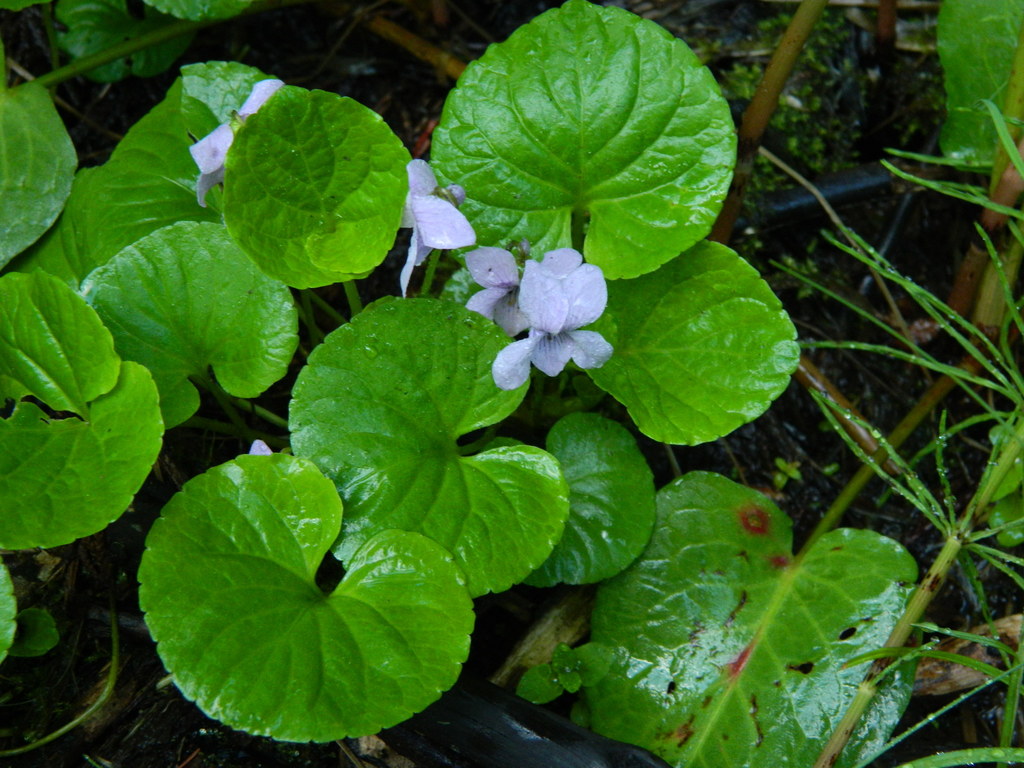
Viola palustris, commonly known as Marsh Violet, is a small, creeping perennial plant that thrives in damp, shady environments. Its delicate pale violet or white flowers, often with darker veins, emerge in spring, creating a charming carpet along pond edges, streams, or wetland gardens. It is ideal for naturalizing moist, shaded areas, adding a touch of subtle color and wild beauty.
Native range
Europe and temperate Asia
Care tips
It requires partial to full shade and consistently moist to even waterlogged soils; it must never dry out. It prefers organic-rich, acidic, and well-draining substrates, although it toler tolerates heavy soils if moisture is constant. Watering should be frequent to keep the soil saturated, especially during dry spells. A common mistake is planting it in dry soil or full sun, which quickly weakens and kills it.
How to save a dying Marsh violet
- Warning signs
- Yellowing or wilting leaves, soft stems, no flowering.
- First aid
- Check substrate; if dry, water thoroughly. If waterlogged, aerate and reduce watering.
- What kills it
- Prolonged drought or constant waterlogging, it needs humidity but not drowning.
- Can it be saved?
- Yes, if you act fast correcting watering and humidity. Requires constant attention.