Sweet violet (Viola suavis)
Care, watering, light and tips for Sweet violet on Floravia.
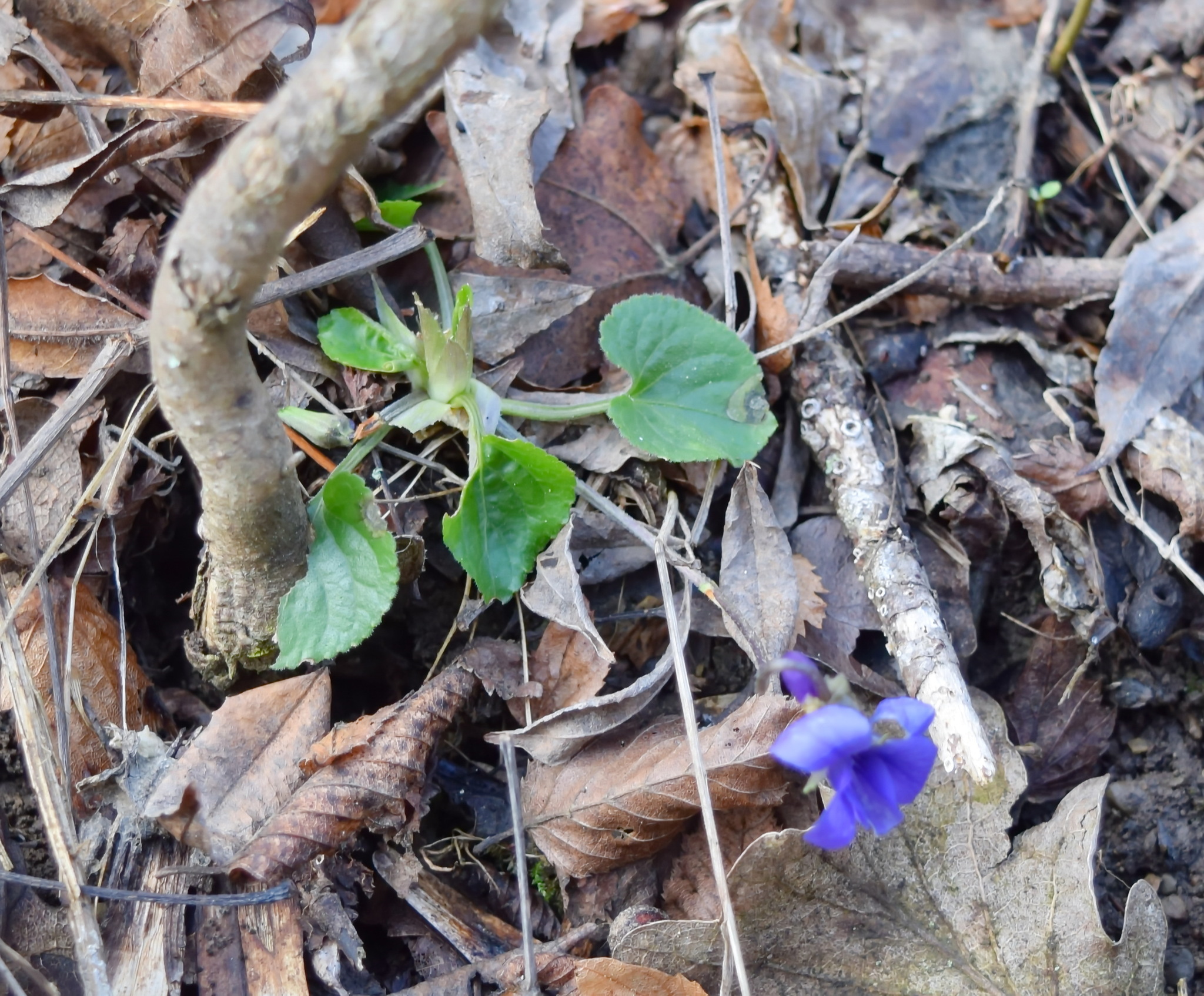
Quick facts
- Family: Violaceae
- Difficulty: Easy to care for
- Watering: every 3 days
- Light: Partial shade
- Temperature: 10–30 °C
About Sweet violet
Viola suavis, commonly known as the sweet violet, is a small, herbaceous perennial plant that forms low, compact clumps. Its delicate purple or white flowers, appearing in spring, are renowned for their sweet fragrance, making it an excellent choice for shade gardens, path edges, or as ground cover under trees and shrubs. Its creeping habit and early bloom make it ideal for adding a touch of color and aroma to semi-shaded areas of the garden.
Native range
Europe and temperate Asia
Care tips
Viola suavis thrives in partial to full shade, avoiding intense direct sunlight which can scorch its leaves. It requires moist but well-drained soil, rich in organic matter; water regularly to maintain humidity, especially during dry periods, but avoid waterlogging. A common mistake is planting it in poor or dry soils, which will limit its growth and flowering. It benefits from an annual mulch of compost to enrich the substrate.
How to save a dying Sweet violet
- Warning signs
- Yellowing or wilting leaves, no blooming, stunted growth. Dry spots on edges indicate low humidity.
- First aid
- Check drainage and substrate moisture. Move to partial shade, water if dry, or let dry if waterlogged. Remove dead flowers and leaves.
- What kills it
- Excessive direct sun or lack of humidity. Also, heavy, waterlogged soil causing root rot.
- Can it be saved?
- Yes, if roots aren't completely rotted. Act quickly by correcting watering and location. They are quite resilient.