Pombalia verticillata
Care, watering, light and tips for Pombalia verticillata on Floravia.
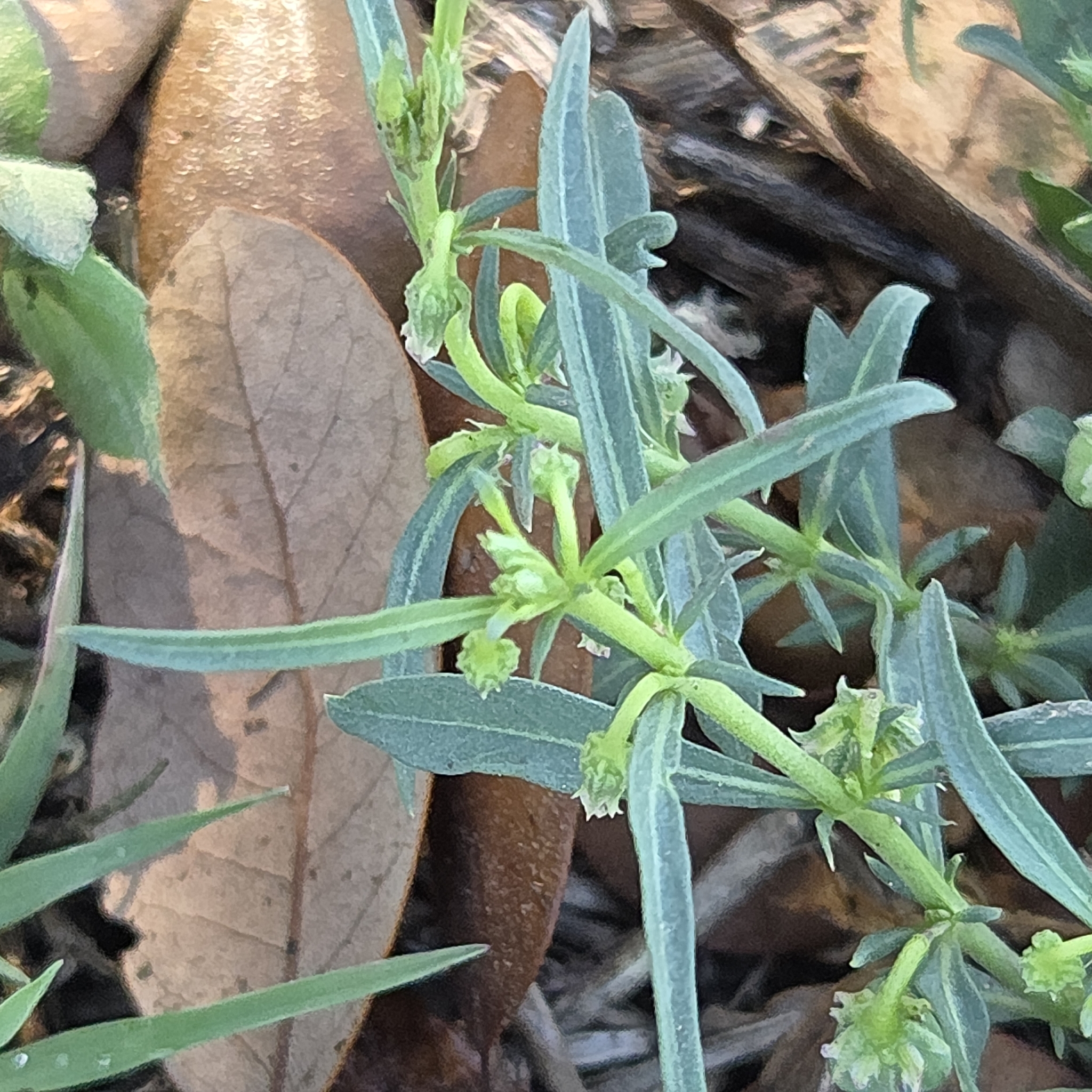
Quick facts
- Family: Violaceae
- Difficulty: Moderate care
- Watering: every 7 days
- Light: Partial shade
- Temperature: 10–30 °C
- Toxicity: Toxic to pets
About Pombalia verticillata
Pombalia verticillata, commonly known as ipecac, is a perennial herbaceous plant from the Violaceae family, primarily valued for its medicinal properties. It features slender stems and oval leaves arranged in whorls, with small, pale white or lilac flowers. It is an excellent choice for medicinal plant gardens or as an indoor plant in temperate climates, adding a touch of botanical history.
Native range
Tropical South America: Brazil, Bolivia, Paraguay, Argentina, and Uruguay
Care tips
It requires bright, indirect light or partial shade, avoiding direct sun exposure which can scorch its delicate leaves. Watering should be regular, keeping the substrate consistently moist but not waterlogged; ensuring good drainage is crucial. It prefers an organic-rich, light, and well-draining substrate, such as an orchid mix or well-aerated garden soil. A common mistake is overwatering, which can lead to root rot, so it's best to let the top layer of the substrate dry out slightly between waterings.
How to save a dying Pombalia verticillata
- Warning signs
- Yellowing or browning, wilted or dropped leaves. Stunted or weak growth. Soft or rotted roots.
- First aid
- Check drainage and substrate moisture. If waterlogged, remove plant, trim damaged roots, and repot in dry soil. If very dry, hydrate slowly.
- What kills it
- Overwatering and poor drainage. Ipecacuanha is sensitive to waterlogging, which rots its delicate roots.
- Can it be saved?
- Yes, if you act quickly. It's a resilient plant, but prolonged waterlogging is its biggest enemy.