Salt cedar (Tamarix palaestina)
Care, watering, light and tips for Salt cedar on Floravia.
Quick facts
- Family: Tamaricaceae
- Difficulty: Easy to care for
- Watering: every 14 days
- Light: Partial shade
- Temperature: 10–30 °C
About Salt cedar
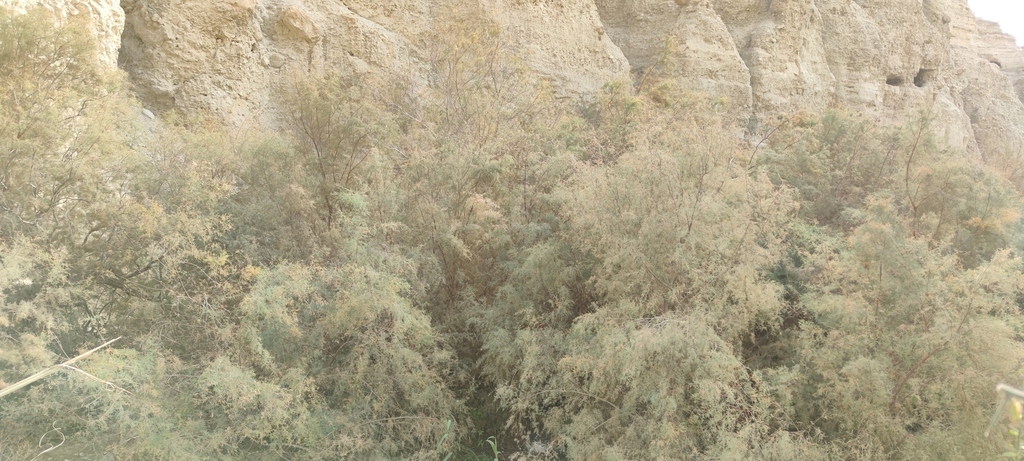
Tamarix palaestina, also known as Filistin Ilgını, is a deciduous shrub or small tree native to the Middle East region. It is characterized by its slender, flexible branches covered with tiny, scale-like, grayish-green leaves, giving it an ethereal appearance. In spring, it produces clusters of very small pink or white flowers, creating a feathery effect that makes it ideal for xeriscape gardens, coastal landscaping, or as a windbreak.
Native range
Near East and Arabian Peninsula
Care tips
This species thrives in full sun, requiring at least 6 hours of direct light per day for optimal flowering. It is extremely drought-tolerant once established, so watering should be sparse, allowing the substrate to dry out completely between waterings. It prefers sandy or well-drained soils, even saline ones. A common mistake to avoid is overwatering, which can lead to root rot and reduced resistance to harsh conditions.
How to save a dying Salt cedar
- Warning signs
- Yellowish or whitish leaves, premature leaf drop, dry or brittle branches.
- First aid
- Check drainage, deep water if soil is dry, prune dead branches, protect from extreme cold.
- What kills it
- Overwatering in heavy soils, prolonged drought in summer, or exposure to severe frost without protection.
- Can it be saved?
- Yes, it's a resilient plant. Act quickly by correcting watering and environment. Can regrow from the base.