West Indian gherkin (Cucumis anguria)
Care, watering, light and tips for West Indian gherkin on Floravia.
Quick facts
- Family: Cucurbitaceae
- Difficulty: Moderate care
- Watering: every 3 days
- Light: Partial shade
- Temperature: 10–30 °C
About West Indian gherkin
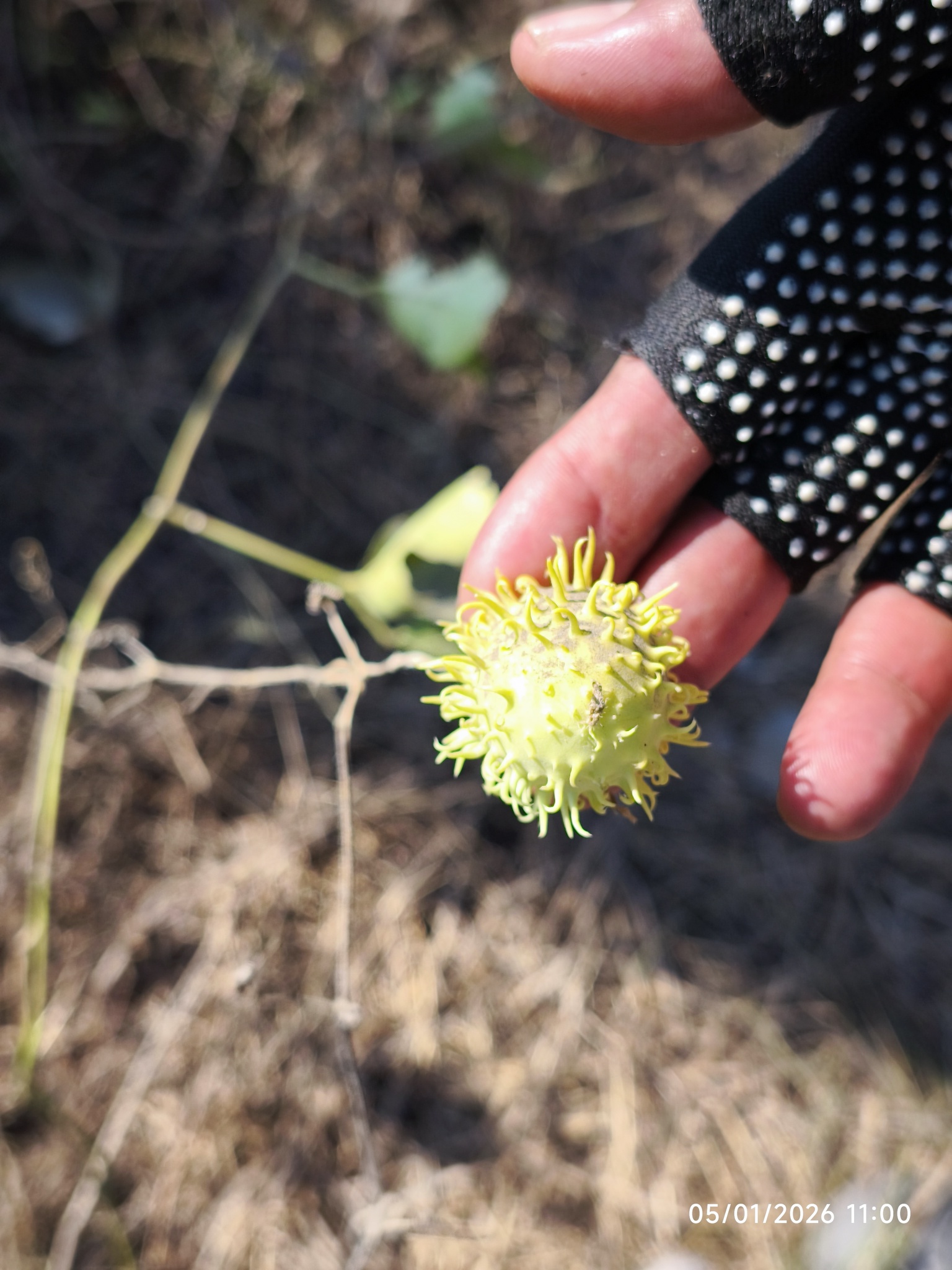
Cucumis anguria, known as West Indian gherkin or burr gherkin, is a climbing wild cucumber from the Cucurbitaceae family, valued for its small, spiny, and crunchy fruits. Its slender stems and lobed leaves produce a profusion of oval, light green fruits covered in soft spines. It is ideal for growing on trellises or pergolas, adding a rustic and productive touch to vegetable gardens and edible landscapes.
Native range
Tropical Africa
Care tips
It requires full sun for optimal fruiting and well-drained soil rich in organic matter. Keep the substrate consistently moist, especially during flowering and fruit development, but avoid waterlogging. A common mistake is not providing adequate support for climbing, which can lead to deformed fruits or fungal diseases due to contact with the ground. Fertilize with a balanced fertilizer every 2-3 weeks once the plant starts producing.
How to save a dying West Indian gherkin
- Warning signs
- Yellow or dry leaves, sudden wilting, deformed or stunted fruits.
- First aid
- Check watering (underwatering), provide shade from intense sun, verify drainage.
- What kills it
- Consistent lack of water, poor soil, direct strong sun exposure without adaptation.
- Can it be saved?
- Yes, if addressed quickly. Check soil and watering immediately.