Stinging nettle (Urtica dioica)
Care, watering, light and tips for Stinging nettle on Floravia.
Quick facts
- Family: Urticaceae
- Difficulty: Easy to care for
- Watering: every 7 days
- Light: Partial shade
- Temperature: 10–30 °C
- Toxicity: Toxic to pets
About Stinging nettle
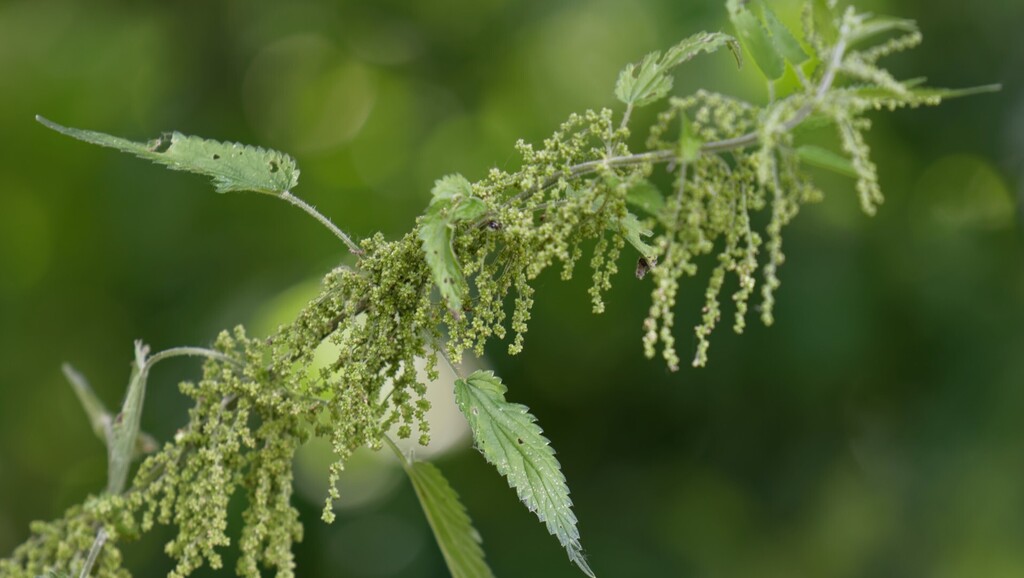
Urtica dioica, commonly known as stinging nettle, is a perennial herbaceous plant famous for its stinging hairs that cause temporary irritation upon contact. It grows in dense colonies, featuring erect stems and dark green, toothed leaves, and is ideal for wildlife gardens or wild areas where its presence is welcomed for its ecological and medicinal value. Although often considered a 'weed,' its robust appearance and ability to thrive in diverse environments make it interesting in natural and permaculture gardens.
Native range
Europe, Asia, and North Africa
Care tips
This plant prefers full sun to partial shade and nitrogen-rich, moist but well-drained soils, adapting to a wide range of conditions. Watering should be regular to keep the substrate moist, especially during dry periods, although it is quite drought-tolerant once established. A common mistake is underestimating its spreading capacity; it is recommended to plant it in containers or in areas where its expansion is not an issue. For handling, always wear gloves to avoid stings.
How to save a dying Stinging nettle
- Warning signs
- Wilting, yellowed or spotted leaves, slow or no growth.
- First aid
- Move to partial shade, water moderately if soil is dry.
- What kills it
- Excessive direct sun and extreme soil dryness.
- Can it be saved?
- Yes, it's a resilient plant if the problem is corrected in time.