Paper mulberry (Broussonetia papyrifera)
Care, watering, light and tips for Paper mulberry on Floravia.
Quick facts
- Family: Moraceae
- Difficulty: Easy to care for
- Watering: every 7 days
- Light: Indirect light
- Temperature: 15–35 °C
- Toxicity: Toxic to pets
About Paper mulberry
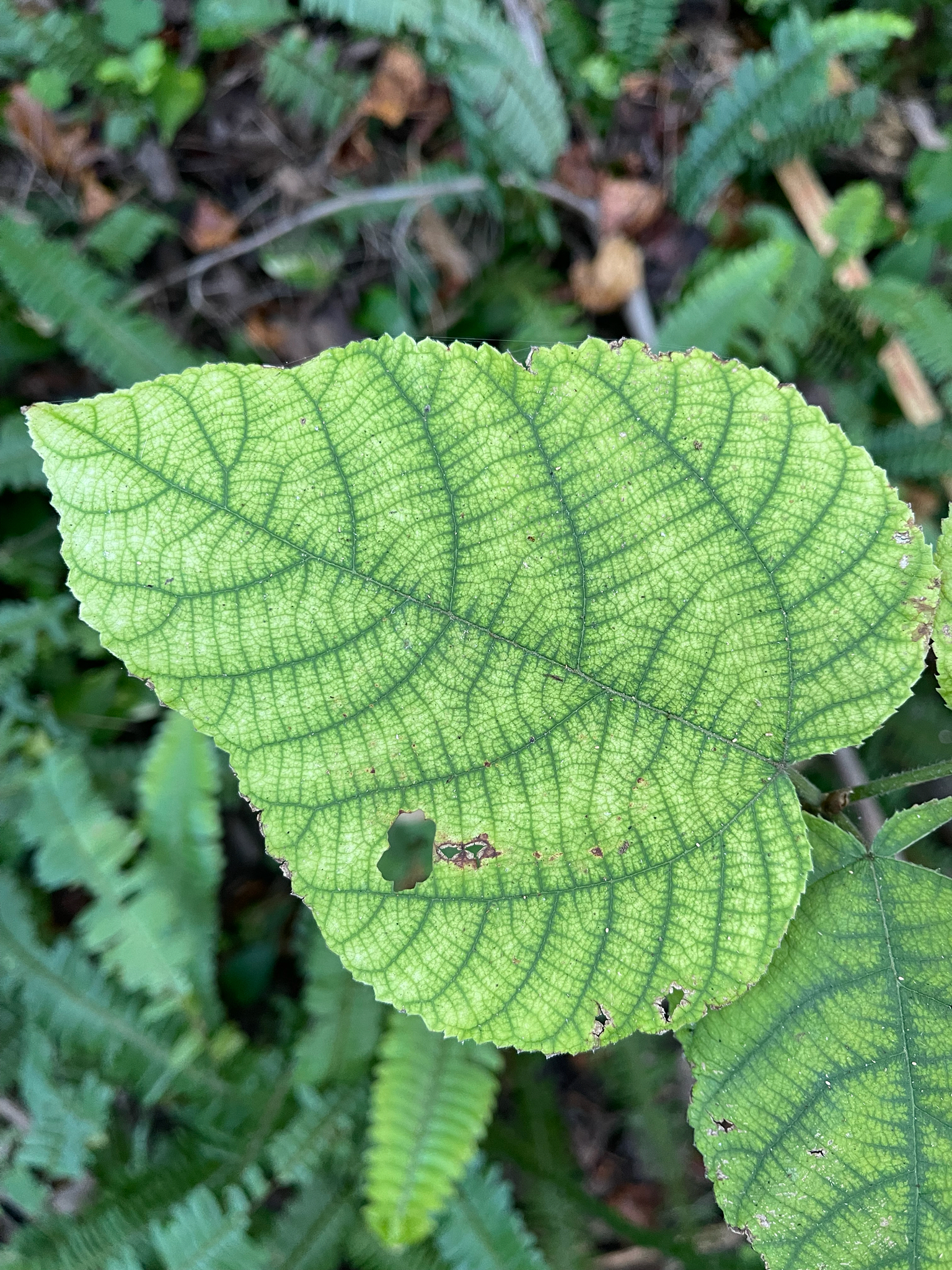
Broussonetia papyrifera, commonly known as paper mulberry, is a fast-growing deciduous tree native to Asia, prized for its fibrous bark traditionally used for papermaking. It features large, lobed, velvety leaves and can reach considerable heights, making it ideal as a specimen tree in large gardens or for shade. Its distinctive silhouette and interesting bark make it an attractive focal point in oriental or naturalistic landscapes.
Native range
East Asia, specifically China and Japan.
Care tips
This tree thrives in full sun for optimal growth, though it tolerates partial shade. It is relatively adaptable regarding watering, enduring periods of drought once established, but benefits from regular watering during its first few years and in intense heat. It adapts to a wide range of soils, provided they are well-drained, though it prefers fertile and slightly moist ones. A common mistake is planting it in confined spaces, as its rapid growth and ultimate size require ample room.
How to save a dying Paper mulberry
- Warning signs
- Yellowing or browning leaves dropping massively, dry brittle branches, no new shoots.
- First aid
- Prune dead branches, ensure good drainage, water deeply if soil is dry. Check for pests.
- What kills it
- Constant waterlogging causing root rot. Also prolonged drought in young specimens.
- Can it be saved?
- Yes, if roots aren't completely rotted and hidden green shoots exist. Act quickly.