Morus celtidifolia
Care, watering, light and tips for Morus celtidifolia on Floravia.
Quick facts
- Family: Moraceae
- Difficulty: Easy to care for
- Watering: every 7 days
- Light: Indirect light
- Temperature: 15–35 °C
- Toxicity: Toxic to pets
About Morus celtidifolia
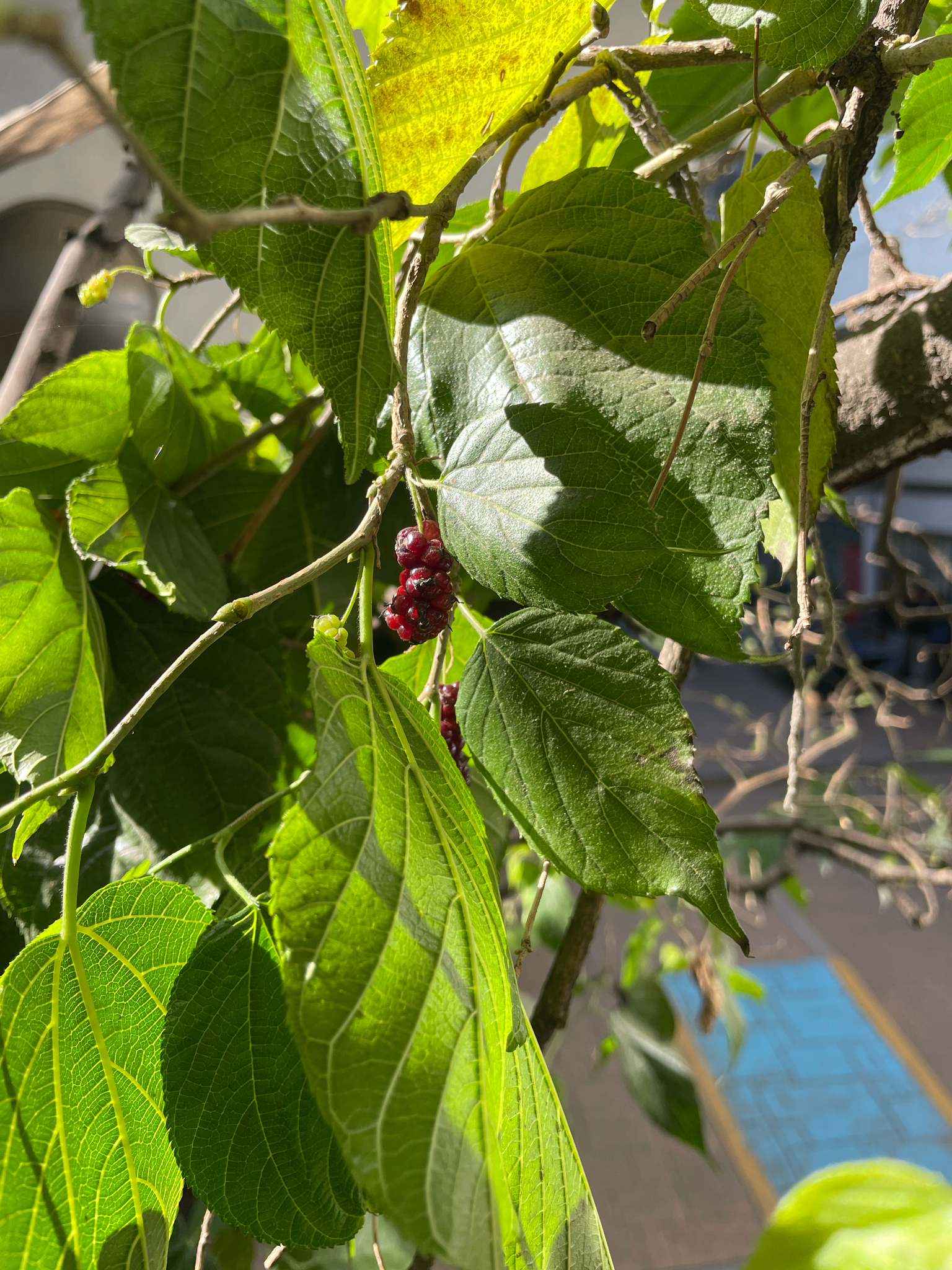
Morus celtidifolia, commonly known as Texas Mulberry, is a medium-sized deciduous tree native to North America, valued for its fast growth and hardiness. Its lobed leaves and small, edible fruits make it an excellent choice for shade, as a fruit tree, or for attracting wildlife in gardens and parks. Its irregular silhouette and dense foliage add a natural and robust touch to the landscape.
Native range
North America (primarily the southwestern United States and northern Mexico)
Care tips
This species thrives in full sun to partial shade, tolerating various light conditions well. It is quite adaptable regarding watering, but benefits from regular irrigation during dry periods, especially when young; once established, it is drought-tolerant. It prospers in a wide range of soils, as long as they are well-drained, though it prefers deep, fertile soils. A common mistake is planting it in very confined spaces, as its size and root system can become problematic over time.
How to save a dying Morus celtidifolia
- Warning signs
- Yellow or brown leaves falling prematurely, dry and brittle branches.
- First aid
- Transplant to a larger pot or ground if stunted. Ensure good drainage, water deeply.
- What kills it
- Lack of root space, poor dry soil, or excessive moisture causing root rot.
- Can it be saved?
- Yes! It's resilient. With good soil and space, it will recover.