Strangler fig (Ficus destruens)
Care, watering, light and tips for Strangler fig on Floravia.
Quick facts
- Family: Moraceae
- Difficulty: Demanding
- Watering: every 7 days
- Light: Indirect light
- Temperature: 15–35 °C
- Toxicity: Toxic to pets
About Strangler fig
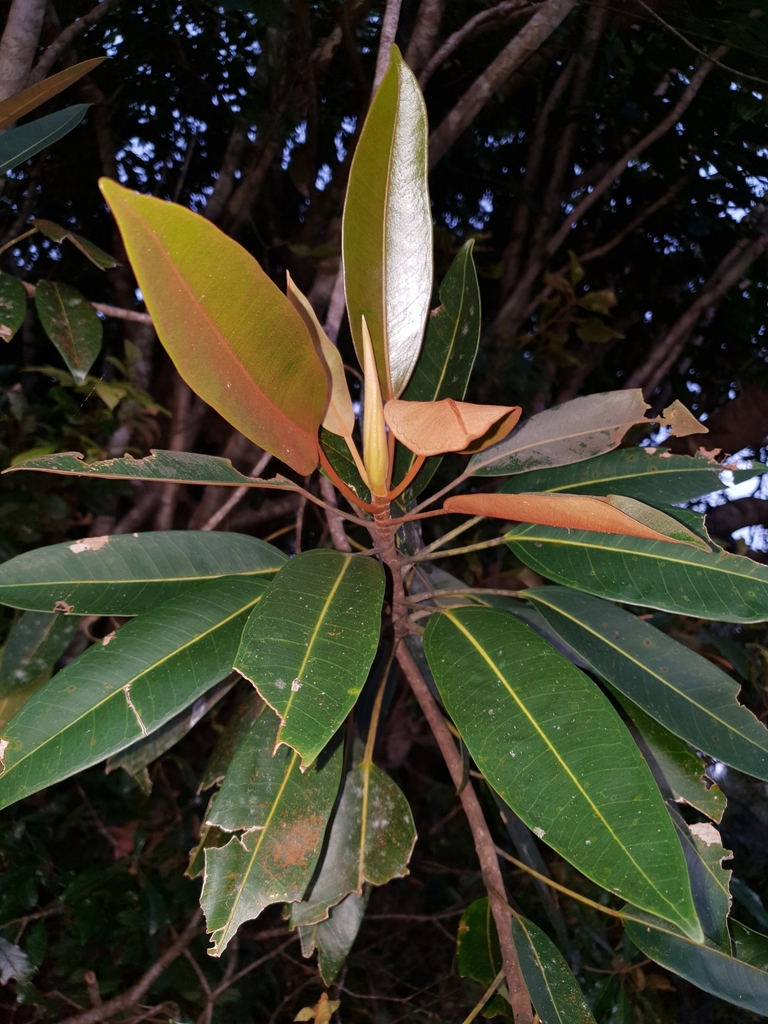
Ficus destruens, commonly known as the strangler fig, is a fascinating and aggressive species that begins its life as an epiphyte on the branches of other plants. Over time, it develops aerial roots that descend to the ground, encircling and eventually "strangling" the host tree. Its appearance is that of a large, dense tree with dark green, oval leaves, ideal for expansive tropical gardens or as a striking centerpiece in botanical settings.
Native range
Tropical regions of Asia, Africa, and Australasia
Care tips
It requires full sun to partial shade for vigorous growth, and regular watering to keep the substrate moist but well-drained, especially in its young stages. It thrives in rich, well-draining soils, preferably with a slightly acidic pH. A common mistake is planting it near structures or trees that are not intended to be damaged, as its powerful roots can cause structural damage or kill the host plant.
How to save a dying Strangler fig
- Warning signs
- Yellowing leaves dropping massively (water stress or light). Dry, brittle branches. Lack of growth.
- First aid
- Check soil moisture (never waterlogged, nor dry). Move to bright indirect light. Prune dead branches and spray for pests.
- What kills it
- Overwatering (root rot) or lack of light. Does not tolerate cold drafts or sudden location changes.
- Can it be saved?
- Yes, if roots aren't completely rotted and some leaves or viable buds remain. It's resilient.