Panama rubber tree (Castilla elastica)
Care, watering, light and tips for Panama rubber tree on Floravia.
Quick facts
- Family: Moraceae
- Difficulty: Moderate care
- Watering: every 7 days
- Light: Indirect light
- Temperature: 15–35 °C
- Toxicity: Toxic to pets
About Panama rubber tree
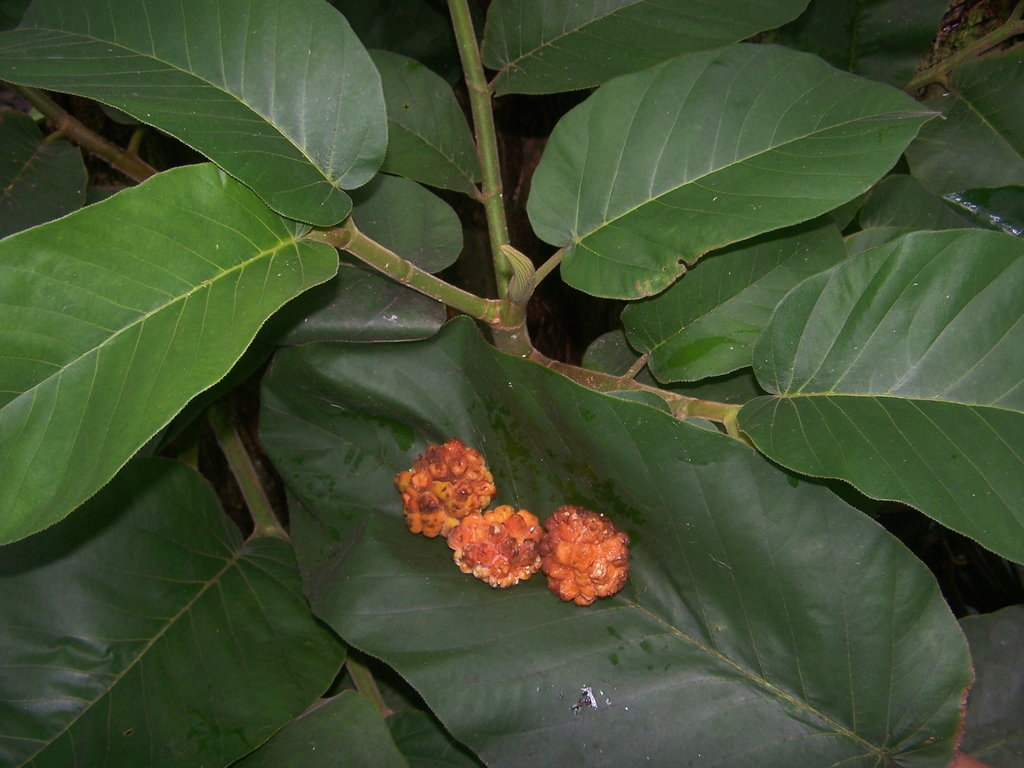
Castilla elastica, commonly known as the Panama Rubber Tree or Mexican Rubber Tree, is an evergreen tree native to Mexico and Central America, renowned for its latex from which natural rubber was historically extracted. It features large, glossy, dark green leaves with a prominent central vein. This species is ideal as an ornamental plant in tropical or subtropical gardens, or as a striking specimen tree in spacious areas where its majestic stature can be appreciated.
Native range
Mexico and Central America
Care tips
This plant thrives in bright, indirect light, avoiding strong direct sun exposure which can scorch its leaves. Watering should be moderate, allowing the top layer of the soil to dry out between waterings, and reducing frequency in winter. It prefers rich, well-draining, and slightly acidic soils. A common mistake is overwatering, which can lead to root rot and leaf drop.
How to save a dying Panama rubber tree
- Warning signs
- Yellow leaves falling, brown spots, dry tips, slow growth. May appear wilted.
- First aid
- Check watering, ensure good drainage. Isolate from drafts and sudden temperature changes. Look for pests.
- What kills it
- Overwatering (root rot), lack of light, extreme cold or dry heat without humidity. Does not tolerate waterlogging.
- Can it be saved?
- Yes! It's resilient. Act quickly with first symptoms. Provide bright indirect light and consistent humidity.