Creeping phlox (Phlox subulata)
Care, watering, light and tips for Creeping phlox on Floravia.
Quick facts
- Family: Polemoniaceae
- Difficulty: Easy to care for
- Watering: every 7 days
- Light: Partial shade
- Temperature: 10–30 °C
About Creeping phlox
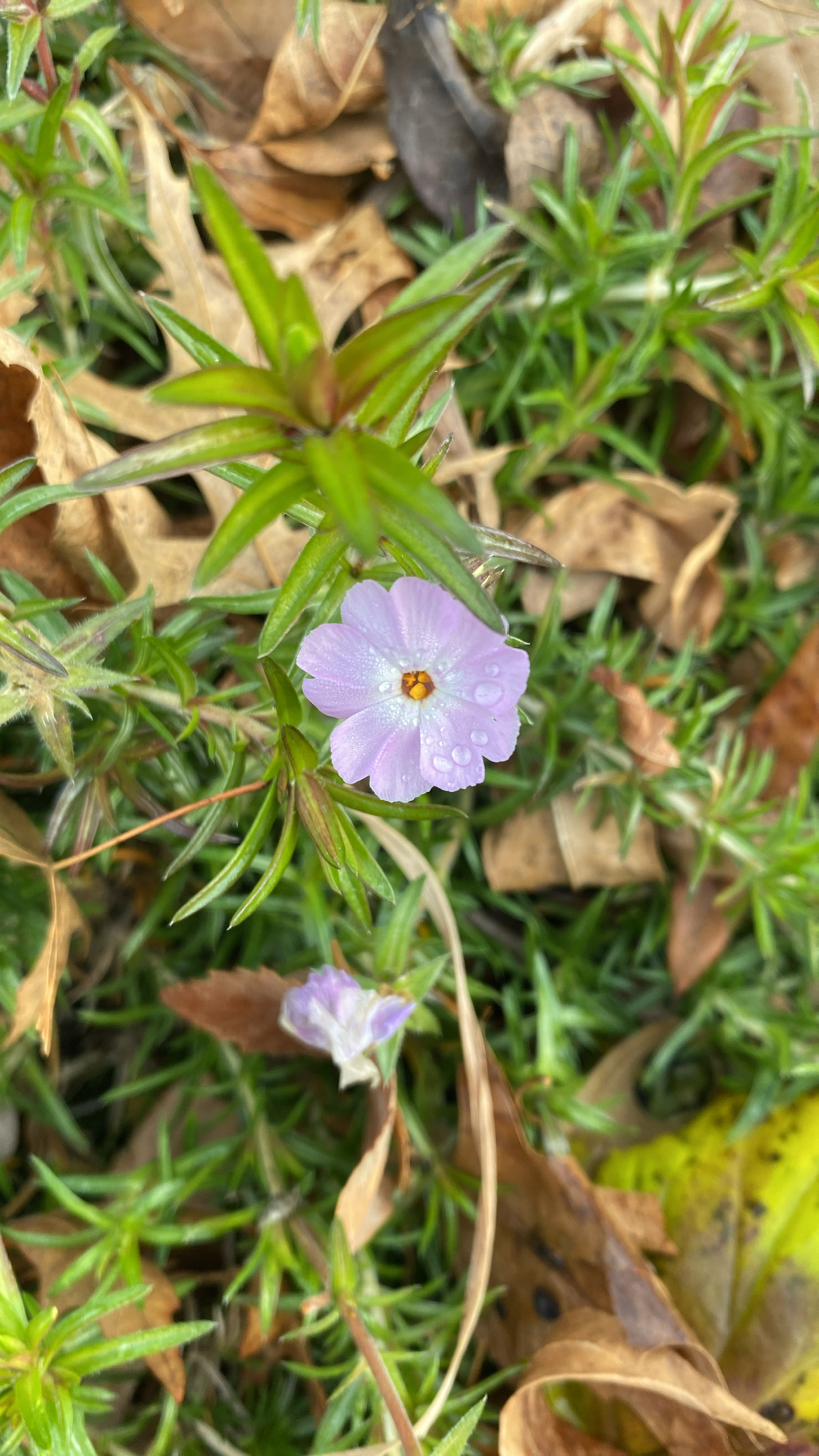
Phlox subulata, commonly known as creeping phlox or moss phlox, is a low-growing perennial plant that forms dense mats of evergreen foliage. In spring, it becomes covered in a profusion of small flowers in shades of pink, purple, white, or blue, creating a vibrant display. It is ideal for rock gardens, path borders, alpine gardens, or as ground cover on slopes, adding color and texture to the landscape.
Native range
Eastern North America (United States and Canada)
Care tips
It requires full sun for optimal flowering and compact growth; partial shade may reduce the number of blooms. It prefers well-drained soils, even sandy or rocky ones, and is quite drought-tolerant once established, so watering should be moderate. Avoid waterlogging, as it can lead to root rot, especially in winter. A common mistake is planting it in heavy, wet soils, which will compromise its health and flowering.
How to save a dying Creeping phlox
- Warning signs
- Wilting, dry, brown leaves starting from the base, sparse or no flowering, stunted growth.
- First aid
- Check drainage and soil moisture. If dry, water deeply. If waterlogged, repot to well-drained soil.
- What kills it
- Overwatering (root rot), too much shade (no flowers, weakens), heavy, poorly drained soil.
- Can it be saved?
- Yes, if roots aren't completely rotted. Act fast by correcting watering and sun exposure.