Nodding broomrape (Orobanche cernua)
Care, watering, light and tips for Nodding broomrape on Floravia.
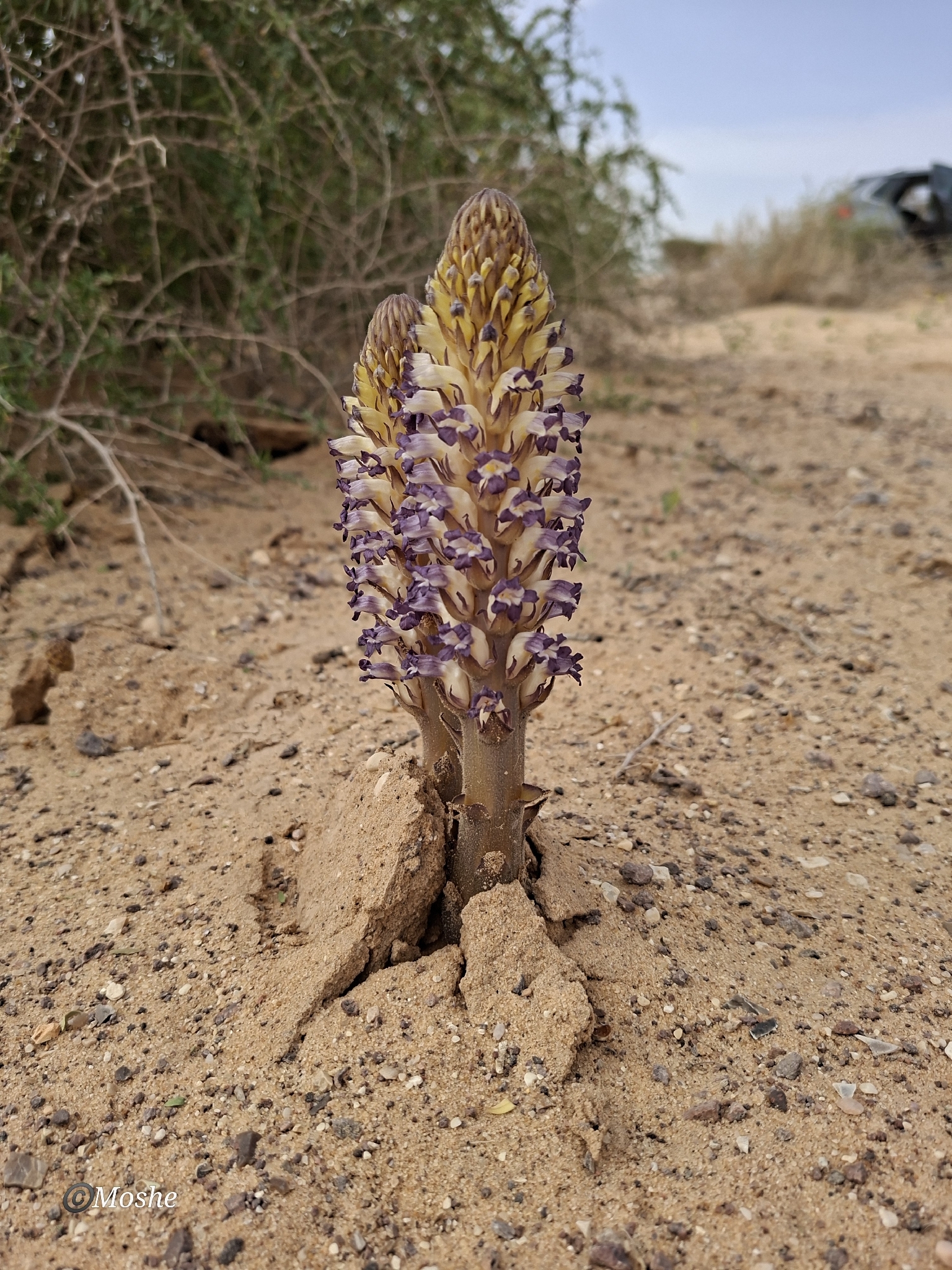
Quick facts
- Family: Orobanchaceae
- Difficulty: Demanding
- Watering: every 7 days
- Light: Partial shade
- Temperature: 10–30 °C
- Toxicity: Toxic to pets
About Nodding broomrape
Orobanche cernua, commonly known as Nodding Broomrape, is a parasitic plant devoid of chlorophyll, giving it a distinctive appearance with reddish or yellowish stems and dense floral spikes. It lacks visible leaves and directly draws nutrients from the roots of its host plants. Its presence is an indicator of specific ecosystems, where it integrates discreetly into low-lying vegetation.
Native range
Eastern Europe, Central Asia, and the Mediterranean
Care tips
As a holoparasitic plant, Orobanche cernua is not cultivated in the traditional sense, as it relies entirely on a host plant for survival. It does not require direct light, watering, or substrate care; instead, its "care" focuses on maintaining the health of its host. A common mistake would be attempting to cultivate it independently, which is impossible given its parasitic nature.
How to save a dying Nodding broomrape
- Warning signs
- Widespread wilting of the floral stem, unusual pale or yellowish discoloration, stunted development or absence of flowers.
- First aid
- Identify and remove the infested host plant if possible, or apply specific Orobanche herbicides in the early infestation stage.
- What kills it
- Allowing it to complete its life cycle and produce seeds, or failing to act in time to control the infestation on the host plant.
- Can it be saved?
- Yes, if detected and acted upon early on the host plant before flowering and seed dispersal.