Red bartsia (Odontites vulgaris)
Care, watering, light and tips for Red bartsia on Floravia.
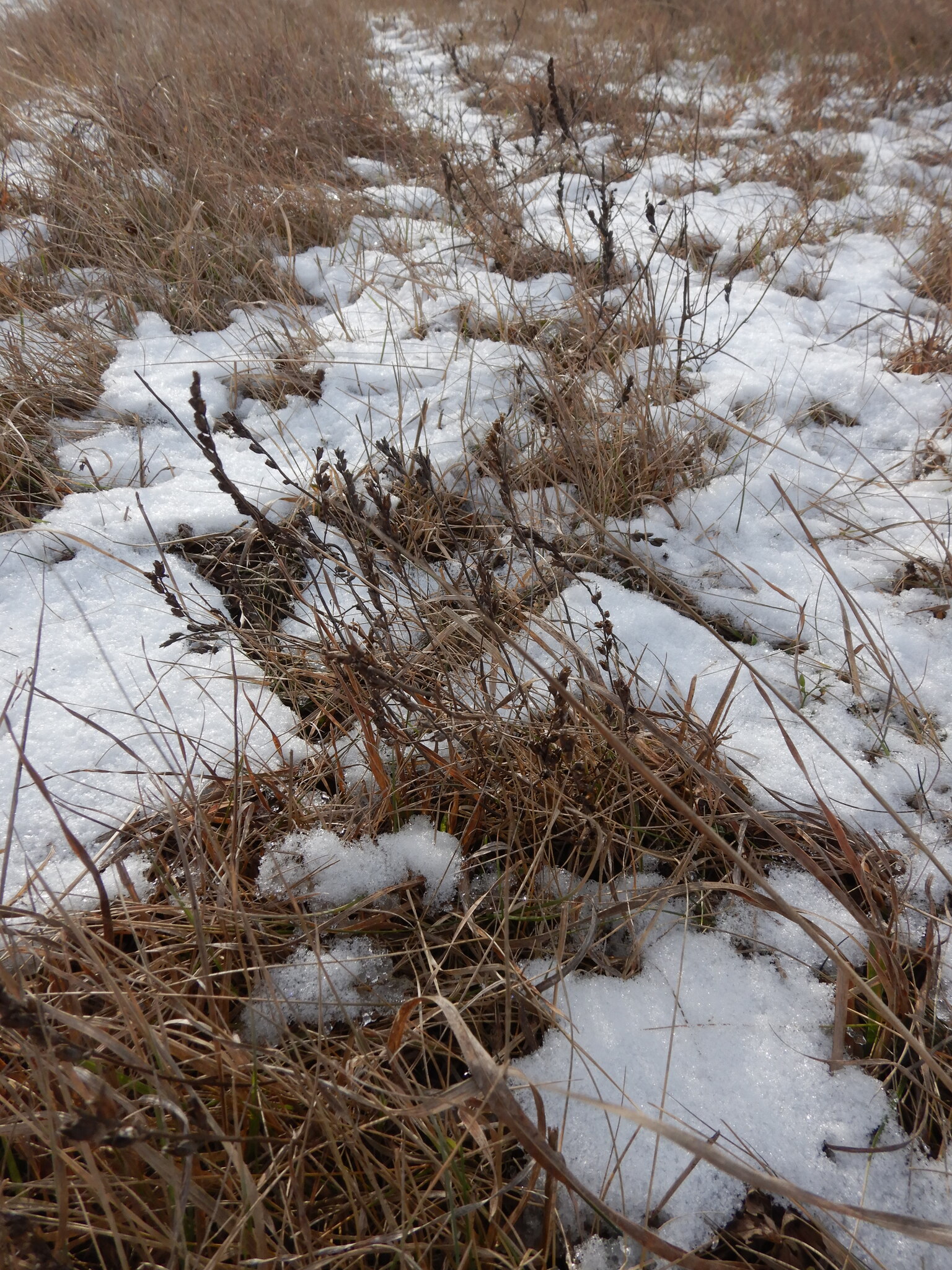
Quick facts
- Family: Orobanchaceae
- Difficulty: Moderate care
- Watering: every 7 days
- Light: Partial shade
- Temperature: 10–30 °C
- Toxicity: Toxic to pets
About Red bartsia
Odontites vulgaris, also known as red bartsia, is an annual or biennial herbaceous plant belonging to the Orobanchaceae family, characterized by its small pink to purplish flowers clustered in terminal spikes. It is a hemiparasite of grasses and other plants, attaching to them via haustoria to obtain nutrients. It looks best in natural meadows, road verges, or wild-style gardens where its parasitic growth can integrate with local vegetation.
Native range
Europe and Western Asia
Care tips
Due to its hemiparasitic nature, Odontites vulgaris is difficult to cultivate in isolation; it requires the presence of grasses or other host plants to thrive. It prefers full sun to partial shade exposure and well-drained soils, though it is not very demanding regarding fertility. Watering should be moderate, allowing the substrate to dry slightly between waterings. A common mistake is attempting to grow it as a standalone plant without its hosts, which will inevitably lead to its failure.
How to save a dying Red bartsia
- Warning signs
- Drooping, yellowing, or brown-spotted leaves; lack of flowering; stunted growth.
- First aid
- Move it to a sunny spot, remove competing weeds, and water moderately if soil is dry.
- What kills it
- Excessive shade, waterlogged soil, or lack of nearby host plants for its hemiparasitic nature.
- Can it be saved?
- Yes, if you act quickly. It needs sun, good drainage, and presence of grasses or other hosts.