Field cow-wheat (Melampyrum arvense)
Care, watering, light and tips for Field cow-wheat on Floravia.
Quick facts
- Family: Orobanchaceae
- Difficulty: Moderate care
- Watering: every 7 days
- Light: Partial shade
- Temperature: 10–30 °C
- Toxicity: Toxic to pets
About Field cow-wheat
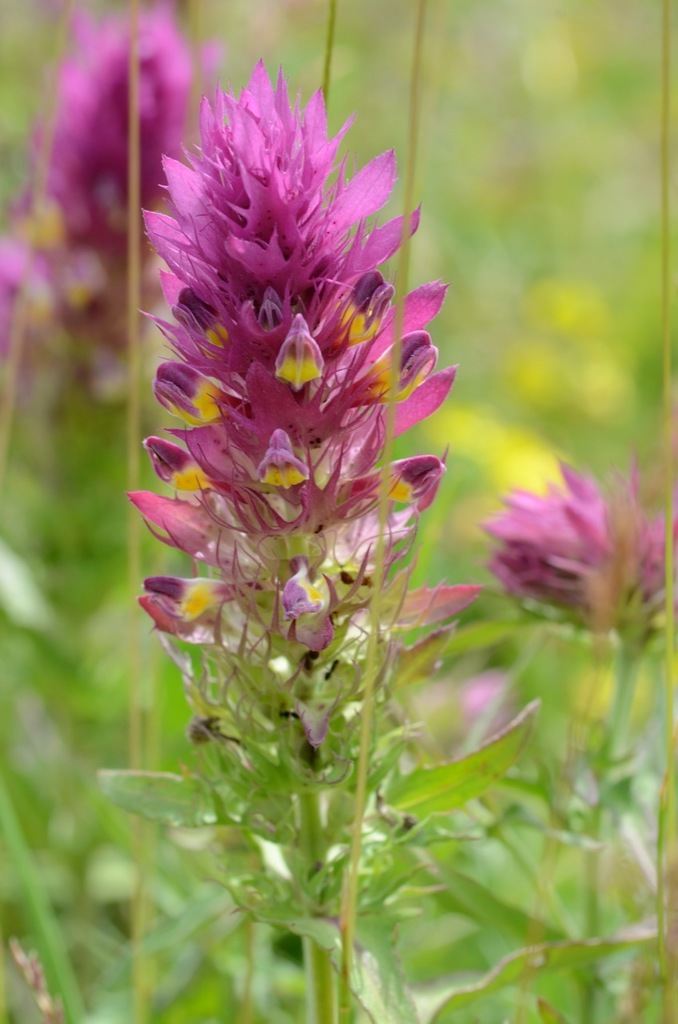
Melampyrum arvense, also known as Field Cow-wheat, is an annual herbaceous plant belonging to the Orobanchaceae family, notable for its vibrant pink or purple flowers clustered in dense spikes. Its brightly colored bracts, often tinged with pink or red, make it stand out in meadows and cultivated fields. Although a wild plant, its beauty makes it interesting for naturalistic gardens or wildflower meadows, where it can add a splash of color and attract pollinators.
Native range
Europe and Western Asia
Care tips
As a hemiparasite of the roots of other plants, Melampyrum arvense requires the presence of grasses or other herbaceous plants nearby to thrive, making it difficult to cultivate in isolation. It prefers well-drained, not overly rich soils, and a full sun to partial shade exposure. Watering should be moderate, allowing the soil to dry slightly between waterings, and it's crucial to avoid using herbicides that could harm its host plants. A common mistake is attempting to grow it in pots without companion plants, which usually leads to its decline.
How to save a dying Field cow-wheat
- Warning signs
- Rapid wilting, yellowing or blackening leaves, stunted growth.
- First aid
- Transplant to a sunny, well-drained area. Ensure a host plant is nearby.
- What kills it
- Lack of a host plant (it's hemiparasitic) or waterlogged soil. Does not tolerate dense shade.
- Can it be saved?
- Yes, if host plant deficiency and light/soil conditions are corrected promptly.