European ash (Fraxinus excelsior)
Care, watering, light and tips for European ash on Floravia.
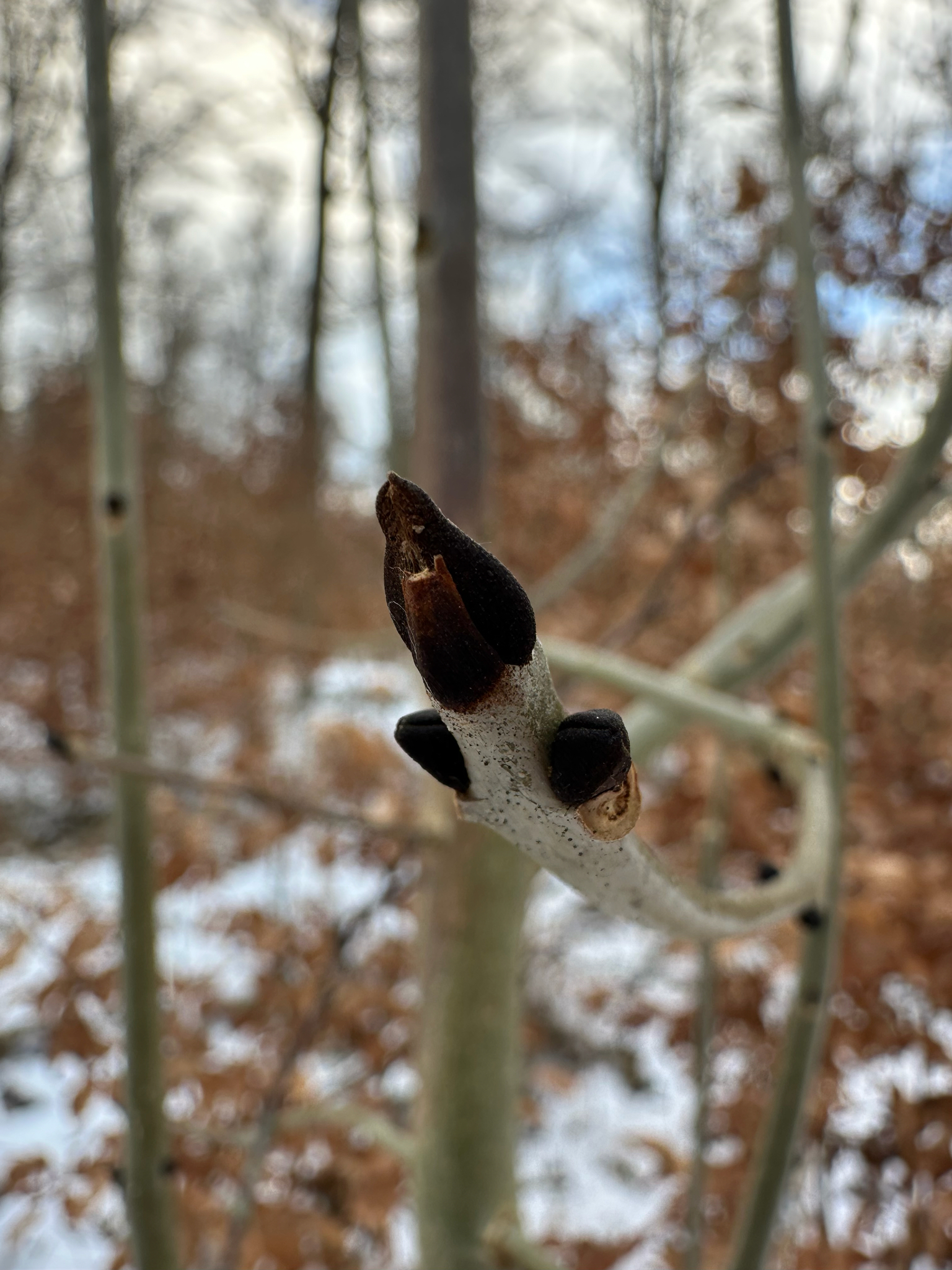
Quick facts
- Family: Oleaceae
- Difficulty: Moderate care
- Watering: every 7 days
- Light: Partial shade
- Temperature: 10–30 °C
About European ash
Fraxinus excelsior, commonly known as European Ash, is a large and robust deciduous tree native to Europe. It is characterized by its oval crown and bright green pinnate leaves that turn yellow in autumn. It is ideal for parks, large gardens, and avenues, where its majestic stature can fully develop.
Native range
Europe, from northern Spain to southern Scandinavia and western Russia
Care tips
It requires full sun to partial shade for optimal growth and prefers deep, moist, well-drained soils, although it is adaptable to a wide range. Watering should be regular during the first few years and in dry periods, but once established, it is quite drought tolerant. Avoid excessively compacted or waterlogged soils, as it is sensitive to root asphyxiation. A common mistake is planting it in confined spaces, as it needs ample room to grow.
How to save a dying European ash
- Warning signs
- Yellowing or browning leaves early, premature leaf drop, dry or brittle branches, cankers or cracks in bark.
- First aid
- Assess soil (drainage, compaction). Prune dead or diseased branches. Ensure adequate watering during drought and protection from specific pests/diseases.
- What kills it
- Soil compaction and waterlogging, which suffocate roots. Severe water stress (prolonged drought) or diseases like 'Ash Canker'.
- Can it be saved?
- Yes, if acted upon promptly. Early detection and correction of environmental conditions are key to recovery. A tree with much dead wood is harder to save.