Japanese tree lilac (Syringa reticulata)
Care, watering, light and tips for Japanese tree lilac on Floravia.
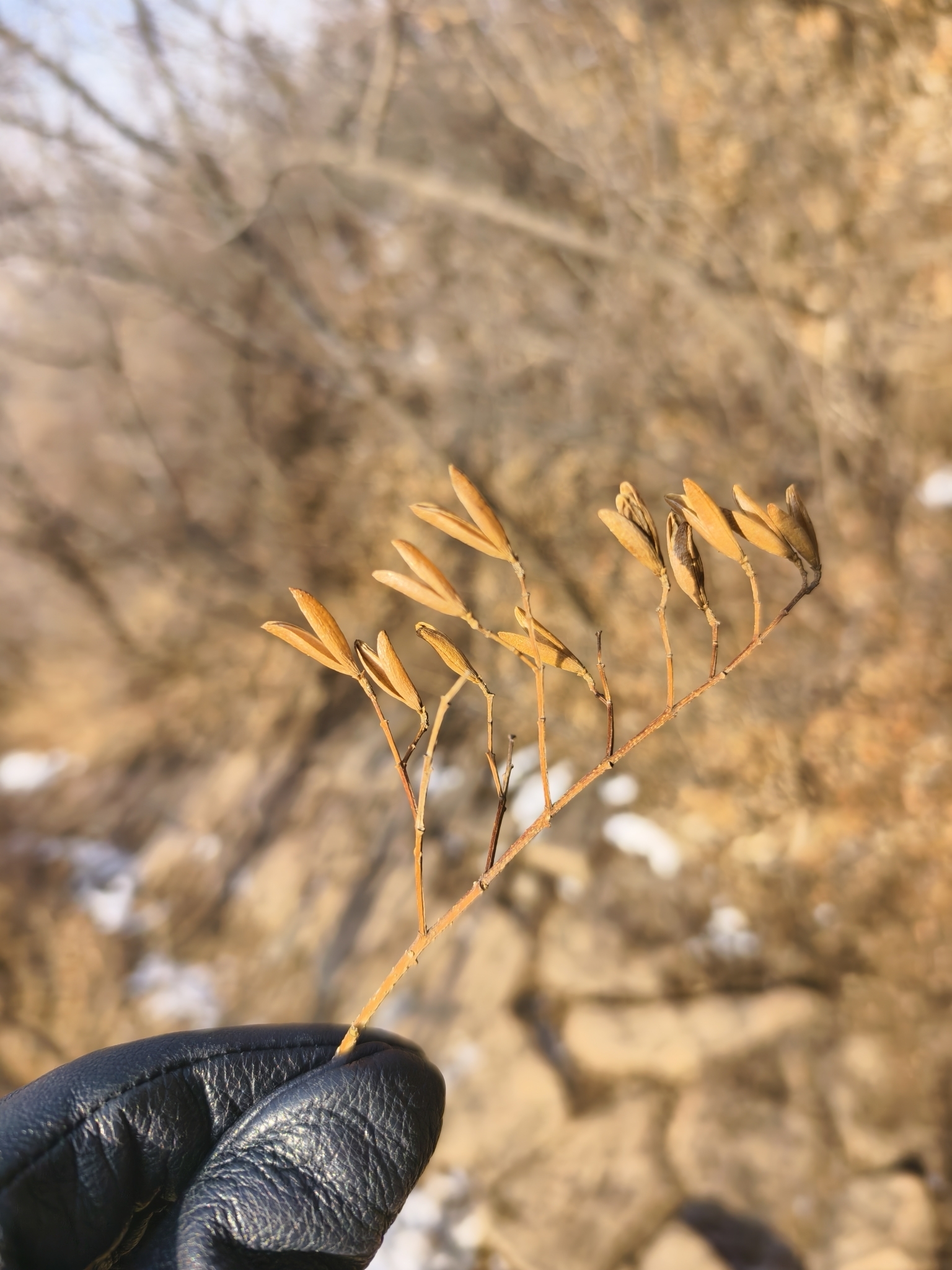
Quick facts
- Family: Oleaceae
- Difficulty: Moderate care
- Watering: every 7 days
- Light: Partial shade
- Temperature: 10–30 °C
About Japanese tree lilac
Syringa reticulata, commonly known as Japanese Tree Lilac, is a small tree or large shrub in the olive family, prized for its spectacular panicles of creamy, fragrant flowers in summer. Its attractive reddish-brown bark with prominent lenticels adds year-round visual interest. It is ideal for use as an ornamental tree in small gardens, as a specimen plant, or in urban street plantings.
Native range
East Asia (Japan, China, Korea, and Russian Far East)
Care tips
It thrives in full sun for optimal flowering, though it tolerates some partial shade. It requires well-drained, fertile, and slightly acidic to neutral soil; watering should be regular during dry periods, especially in the first few years. Avoid waterlogging, as it is susceptible to root rot. Pruning is minimal, primarily for shaping or removing dead branches after flowering.
How to save a dying Japanese tree lilac
- Warning signs
- Wilting or yellowing leaves, weak shoots, lack of flowering or wilting flowers.
- First aid
- Check watering, ensure optimal drainage, prune dry or diseased branches. Provide full sun.
- What kills it
- Overwatering (root rot), excessive shade, poor or compacted soil.
- Can it be saved?
- Yes, if roots are not too damaged and the cause is corrected promptly. It's resilient.