Weeping forsythia (Forsythia suspensa)
Care, watering, light and tips for Weeping forsythia on Floravia.
Quick facts
- Family: Oleaceae
- Difficulty: Easy to care for
- Watering: every 4 days
- Light: Partial shade
- Temperature: 10–30 °C
- Toxicity: Toxic to pets
About Weeping forsythia
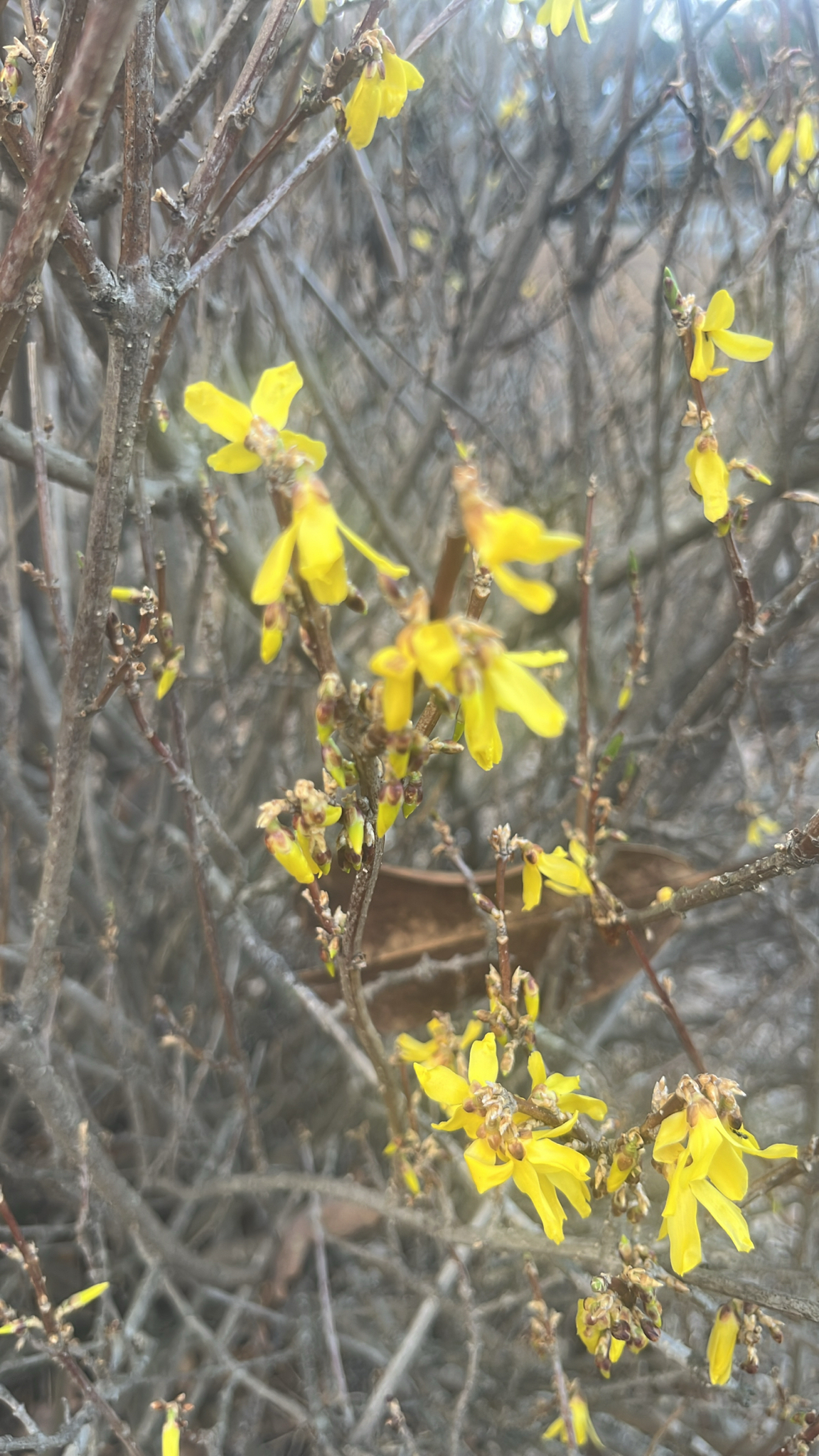
Forsythia suspensa, commonly known as Weeping Forsythia, is a vibrant deciduous shrub celebrated for its spectacular early spring bloom, featuring abundant bright yellow flowers that cover its branches before the leaves emerge. Its arching, pendulous branches make it ideal for informal hedges, garden borders, or as a standalone specimen, providing a burst of color that heralds the arrival of warmer weather.
Native range
East Asia (mainly China)
Care tips
It prefers full sun exposure for optimal flowering, though it tolerates partial shade with fewer blooms. Watering should be regular during the first year and in dry periods, but once established it is quite drought-tolerant. It adapts to most well-drained soils but prefers slightly acidic to neutral ones. A common mistake is pruning the plant in spring after flowering, which removes the next year's flower buds; pruning should be done immediately after the flowers fade.
How to save a dying Weeping forsythia
- Warning signs
- Dry, brittle branches with no buds. Wilted or yellowing leaves falling off. No spring bloom.
- First aid
- Prune dead branches. Ensure adequate watering without waterlogging. Check drainage and sun exposure (prefers full sun).
- What kills it
- Lack of light. Over or under-watering. Heavy soil with poor drainage suffocating roots.
- Can it be saved?
- Yes, if roots aren't rotted and green branches remain. Responds well to rejuvenation pruning.