Manchurian ash (Fraxinus mandshurica)
Care, watering, light and tips for Manchurian ash on Floravia.
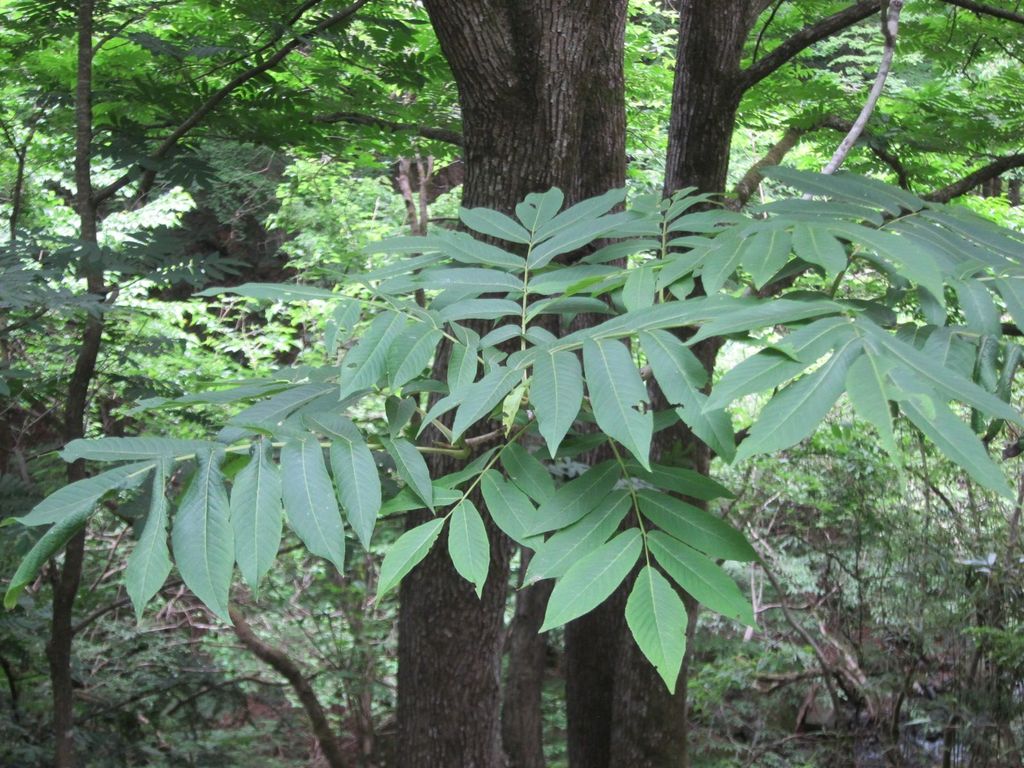
Quick facts
- Family: Oleaceae
- Difficulty: Moderate care
- Watering: every 7 days
- Light: Partial shade
- Temperature: 10–30 °C
About Manchurian ash
Fraxinus mandshurica, commonly known as Manchurian ash, is a medium to large deciduous tree valued for its dense, bright green foliage that turns golden yellow in autumn. Its elegant habit and hardiness make it an excellent shade tree for parks and large gardens, or as a street tree in temperate climates.
Native range
East Asia, including northeastern China, the Korean Peninsula, and the Russian Far East.
Care tips
It prefers full sun to partial shade and well-drained, moist, fertile soils, though it tolerates a range of conditions. Watering should be regular during the first few years to establish the tree, and subsequently only during prolonged dry periods. Ensure planting in a location with ample space for its root and canopy development, avoiding compacted soils. A common mistake is inadequate watering in the early years, which can affect its vigor.
How to save a dying Manchurian ash
- Warning signs
- Yellowish or brown, wilting leaves; dry or brittle branches. Stunted growth.
- First aid
- Check soil drainage and moisture. Prune dead branches. Protect from water or salt stress.
- What kills it
- Constant waterlogging, excessive soil salinity, prolonged drought, or improper transplanting.
- Can it be saved?
- Yes, if you act quickly. Good drainage and proper watering are key to its recovery.