Narrow-leaved ash (Fraxinus angustifolia)
Care, watering, light and tips for Narrow-leaved ash on Floravia.
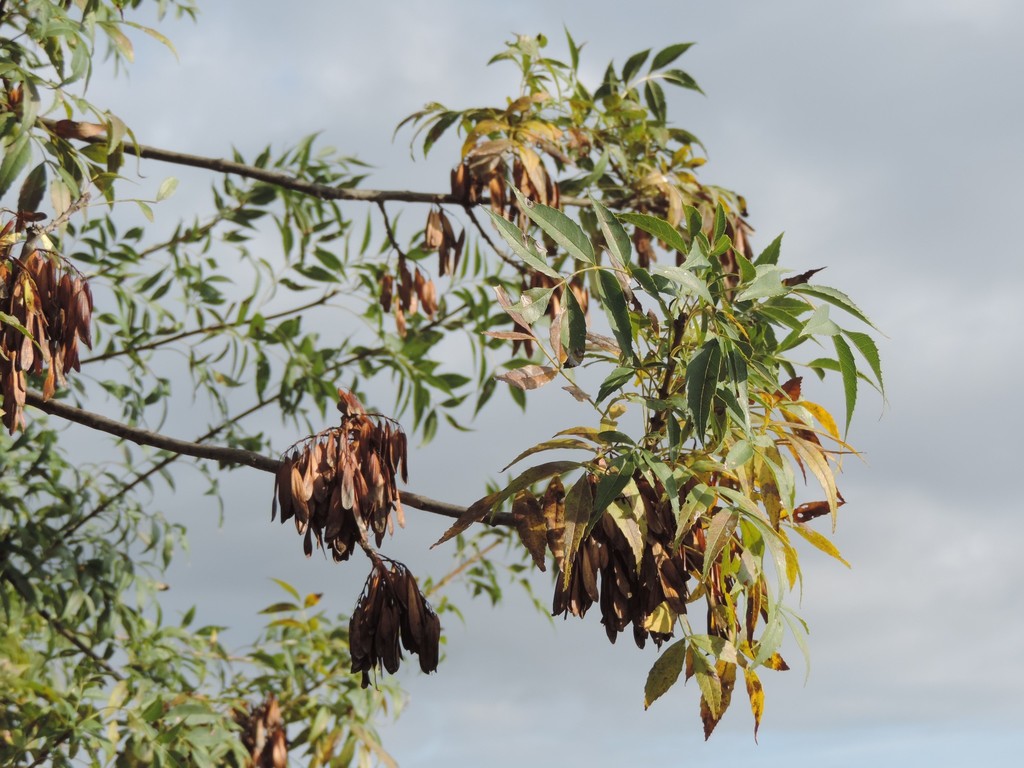
Quick facts
- Family: Oleaceae
- Difficulty: Easy to care for
- Watering: every 7 days
- Light: Partial shade
- Temperature: 10–30 °C
About Narrow-leaved ash
Fraxinus angustifolia, commonly known as Narrow-leaved Ash, is a medium to large deciduous tree, valued for its elegant bright green foliage and rapid growth. Its lanceolate leaves and fissured bark give it an ornamental appeal, making it ideal for street plantings, parks, and large gardens where dense shade and a slender silhouette are desired.
Native range
Southwestern Europe and Northwestern Africa.
Care tips
It prefers full sun exposure and deep, well-drained, slightly moist soils, although it tolerates a wide range of soil conditions. During the first few years, watering should be regular to ensure good establishment, reducing it once the tree matures and becomes more drought-tolerant. Avoid excessively compacted or waterlogged soils, as they can lead to root problems. It is important to monitor for the presence of the emerald ash borer in affected areas, as it is a significant threat to the species.
How to save a dying Narrow-leaved ash
- Warning signs
- Wilting, yellowing, or dark-spotted leaves. Stunted growth. Dry, brittle branches.
- First aid
- Check watering (moist but not waterlogged soil), improve drainage, protect from direct sun if young. Inspect for pests.
- What kills it
- Extreme over/under-watering, compacted soil with poor drainage, or diseases like ash canker.
- Can it be saved?
- Yes, if addressed promptly. Prune dead branches, improve soil and watering, treat specific pests or diseases.