Hungarian lilac (Syringa josikaea)
Care, watering, light and tips for Hungarian lilac on Floravia.
Quick facts
- Family: Oleaceae
- Difficulty: Easy to care for
- Watering: every 7 days
- Light: Partial shade
- Temperature: 10–30 °C
- Toxicity: Toxic to pets
About Hungarian lilac
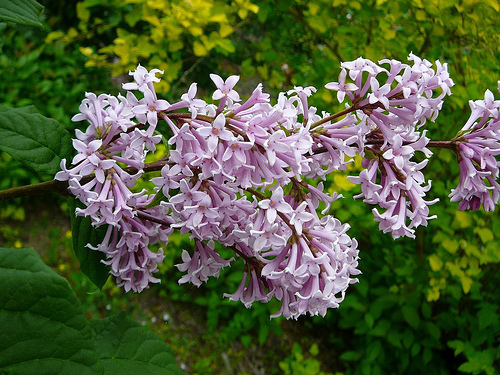
Syringa josikaea, commonly known as the Hungarian lilac, is a medium to large deciduous shrub, valued for its dense, fragrant clusters of purple-lilac flowers that bloom in early summer. Its leaves are glossy dark green, and its upright, dense habit makes it ideal as an informal hedge, a backdrop for other plants, or a standalone specimen in temperate gardens. It is particularly hardy and adaptable, even in less favorable conditions.
Native range
Eastern Europe, specifically Hungary and Romania.
Care tips
It prefers full sun exposure for optimal flowering, though it tolerates some partial shade. It requires well-drained soil rich in organic matter and benefits from regular watering during dry periods, especially in its first year of establishment. Pruning should be done after flowering to maintain shape and promote vigorous growth. Avoid excessive nitrogen fertilization, as it can reduce flowering in favor of leafy growth.
How to save a dying Hungarian lilac
- Warning signs
- Yellowing or browning, wilted leaves; stunted growth; poor or no flowering.
- First aid
- Transplant to well-drained, full-sun spot. Prune dead branches. Water deeply and regularly.
- What kills it
- Heavy, waterlogged soil causing root rot; lack of sunlight; prolonged drought in summer.
- Can it be saved?
- Yes, if roots aren't completely rotted and growing conditions are corrected promptly.