Sugar maple (Acer saccharum)
Care, watering, light and tips for Sugar maple on Floravia.
Quick facts
- Family: Sapindaceae
- Difficulty: Moderate care
- Watering: every 7 days
- Light: Partial shade
- Temperature: 10–30 °C
- Toxicity: Toxic to pets
About Sugar maple
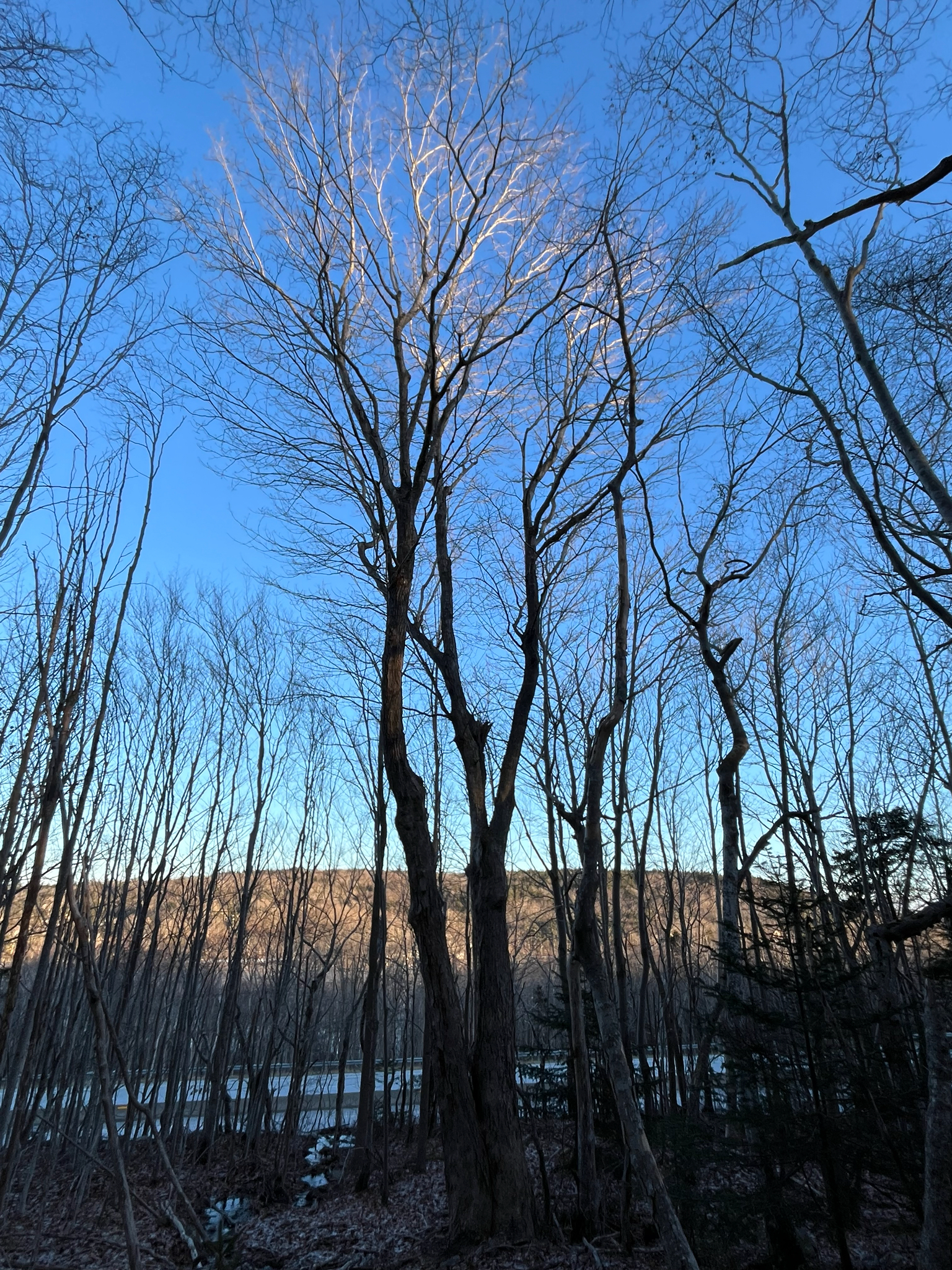
Acer saccharum, commonly known as the sugar maple, is a majestic deciduous tree renowned for its breathtaking autumn foliage in shades of orange, red, and yellow. It's a large tree, capable of reaching considerable heights, making it ideal as a shade tree in spacious gardens or parks. Its wood is valuable, and it's the primary source of sap for producing maple syrup.
Native range
Northeastern North America, from southeastern Canada to the eastern United States.
Care tips
It requires full sun to partial shade for optimal growth and vibrant autumn coloration. The soil should be well-drained, slightly acidic to neutral, and rich in organic matter, avoiding compacted soils. Ensure regular and deep watering during dry periods, especially during its initial years of establishment. Avoid excessive and late winter pruning, as it can bleed sap profusely.
How to save a dying Sugar maple
- Warning signs
- Wilting leaves, curled edges, sunburn, early yellowing in summer.
- First aid
- Move to partial shade, ensure moist but not waterlogged soil, protect from strong winds.
- What kills it
- Prolonged drought, intense direct sun in hot climates, compacted and alkaline soils.
- Can it be saved?
- Yes, if roots aren't dry or rotted. Recovery is slow but possible.