Ackee (Blighia sapida)
Care, watering, light and tips for Ackee on Floravia.
Quick facts
- Family: Sapindaceae
- Difficulty: Demanding
- Watering: every 7 days
- Light: Partial shade
- Temperature: 10–30 °C
- Toxicity: Toxic to pets
About Ackee
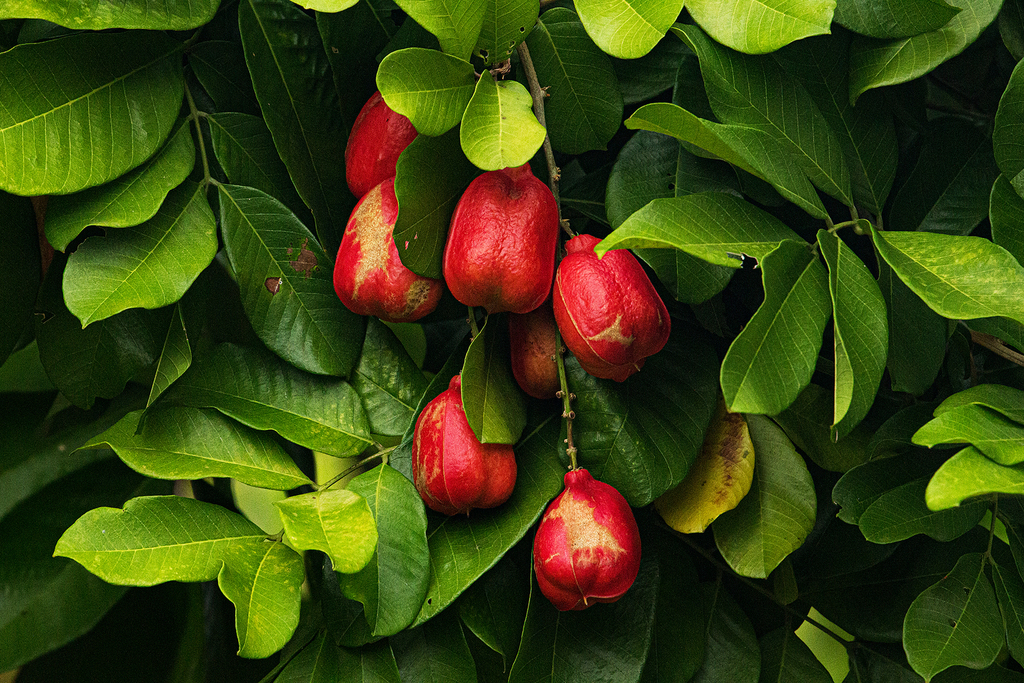
Blighia sapida, commonly known as Ackee or 'Cervelle végétale', is a medium-sized tropical fruit tree renowned for its creamy, brain-like edible arils. Native to West Africa, its vibrant fruits and dense foliage make it a striking specimen in tropical or subtropical gardens, or in large containers in cooler climates. This plant holds significant cultural and culinary value, particularly in Caribbean cuisine.
Native range
Tropical West Africa
Care tips
Full sun is essential for optimal fruiting, along with well-drained soil rich in organic matter, preferably with a slightly acidic to neutral pH. Watering should be regular and abundant during the growing season, reduced in winter, but always avoiding waterlogging as it is susceptible to root rot. It is crucial to harvest fruits only when they naturally open on the tree, as unripe fruit contains dangerous toxins. Protect from frost, as it does not tolerate sub-zero temperatures.
How to save a dying Ackee
- Warning signs
- Yellowing or wilting leaves, soft stems, premature fruit drop. 🌿
- First aid
- Check soil drainage and moisture. Move to partial shade if intense sun. Prune dry branches.
- What kills it
- Constant waterlogging, low temperatures (<10°C), lack of light. Does not tolerate frost.
- Can it be saved?
- Yes, if you act quickly. It's resilient but needs warmth and good drainage to recover.