Ceylon gooseberry (Dovyalis hebecarpa)
Care, watering, light and tips for Ceylon gooseberry on Floravia.
Quick facts
- Family: Salicaceae
- Difficulty: Moderate care
- Watering: every 7 days
- Light: Partial shade
- Temperature: 10–30 °C
About Ceylon gooseberry
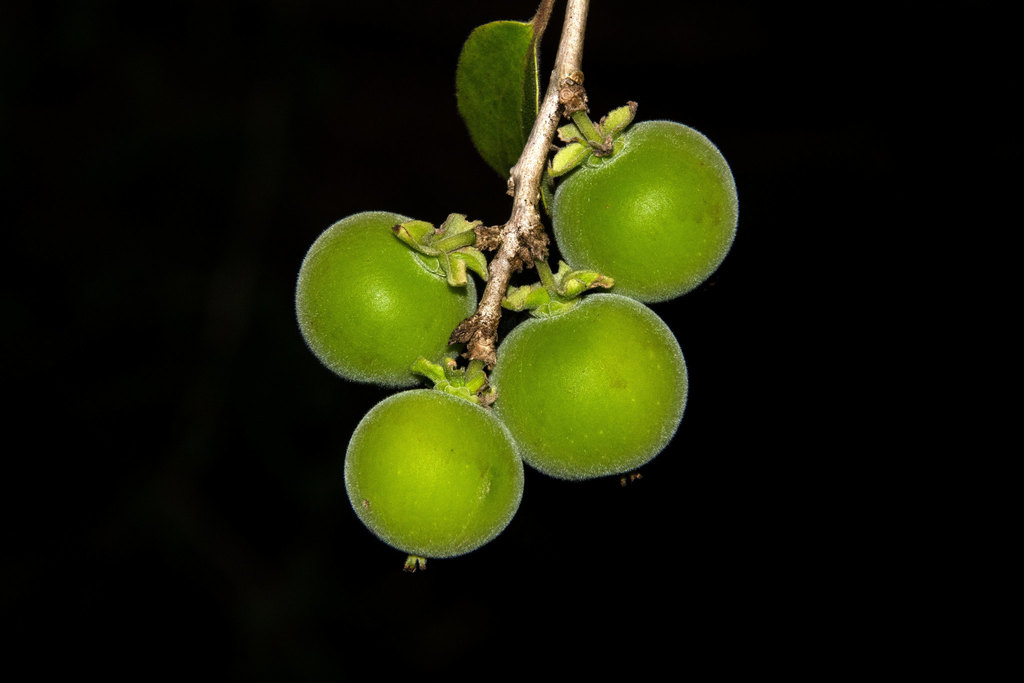
Dovyalis hebecarpa, also known as Ceylon Gooseberry or Ceylon Cherry, is a subtropical fruit shrub or small tree prized for its tart, velvety fruits. Its thorny branches and dense foliage make it ideal for protective hedges or as a fruit specimen in warm gardens. The purple to reddish fruits are excellent for jams and desserts, adding an exotic touch to the landscape.
Native range
Sri Lanka and southern India
Care tips
It requires full sun for optimal fruiting, although it tolerates partial shade in very hot climates. Watering should be regular, keeping the substrate moist but not waterlogged, especially during flowering and fruiting. It prefers well-drained soils, rich in organic matter, and with a slightly acidic to neutral pH. A common mistake is the lack of formative pruning, which can result in disorderly growth and hinder harvesting.
How to save a dying Ceylon gooseberry
- Warning signs
- Yellowing or premature leaf drop, small or no fruit, stunted growth, dry tips. Indicates water stress or nutrient deficiency.
- First aid
- Check drainage and water deeply if soil is dry. Lightly fertilize with balanced feed. Protect from strong winds and frost.
- What kills it
- Constant waterlogging causing root rot or prolonged extreme drought. Also severe unp-rotected frosts.
- Can it be saved?
- Yes, if roots aren't completely rotted or main trunk is undamaged. Act quickly with proper watering and protection.