Grey poplar (Populus canescens)
Care, watering, light and tips for Grey poplar on Floravia.
Quick facts
- Family: Salicaceae
- Difficulty: Easy to care for
- Watering: every 7 days
- Light: Partial shade
- Temperature: 10–30 °C
- Toxicity: Toxic to pets
About Grey poplar
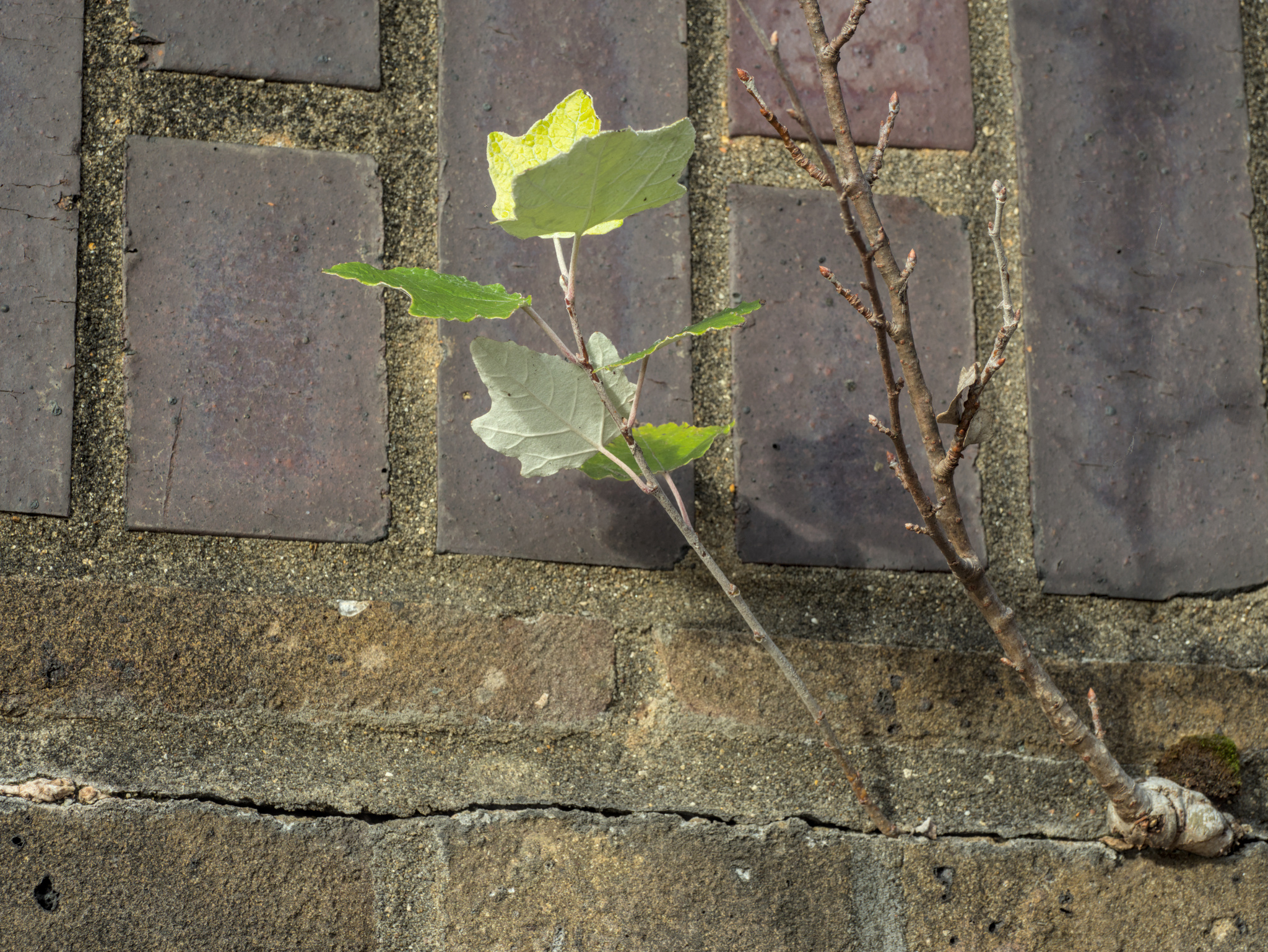
Populus canescens, commonly known as Grey Poplar, is a large deciduous tree, a natural hybrid between Populus alba and Populus tremula. It is characterized by its pale bark and leaves with a glossy green upper surface and a whitish, tomentose underside, which gives it a silvery appearance when rustling in the wind. It is ideal for large parks, avenues, or riverbanks, where its imposing size and vibrant foliage can be fully appreciated.
Native range
Central and Southern Europe, and Western Asia
Care tips
This poplar thrives in full sun and deep, moist, well-drained soils, though it tolerates a wide range of soil conditions. It is a water-loving tree, especially during its initial establishment and in dry periods. Avoid planting it near buildings or pipes due to its aggressive root system, which actively seeks water. A common mistake is underestimating its final size and planting it in confined spaces.
How to save a dying Grey poplar
- Warning signs
- Yellowish or brown, wilting leaves with premature drop. Dry, brittle branches, especially young ones.
- First aid
- Check watering (moist but not waterlogged soil) and drainage. Prune dry branches and apply fungicide if disease signs appear.
- What kills it
- Prolonged drought or constant waterlogging, suffocating the roots. Also soil compaction.
- Can it be saved?
- Yes, if acted upon promptly. Poplars are resilient, but need water and good drainage to recover.