Black poplar (Populus nigra)
Care, watering, light and tips for Black poplar on Floravia.
Quick facts
- Family: Salicaceae
- Difficulty: Easy to care for
- Watering: every 7 days
- Light: Partial shade
- Temperature: 10–30 °C
- Toxicity: Toxic to pets
About Black poplar
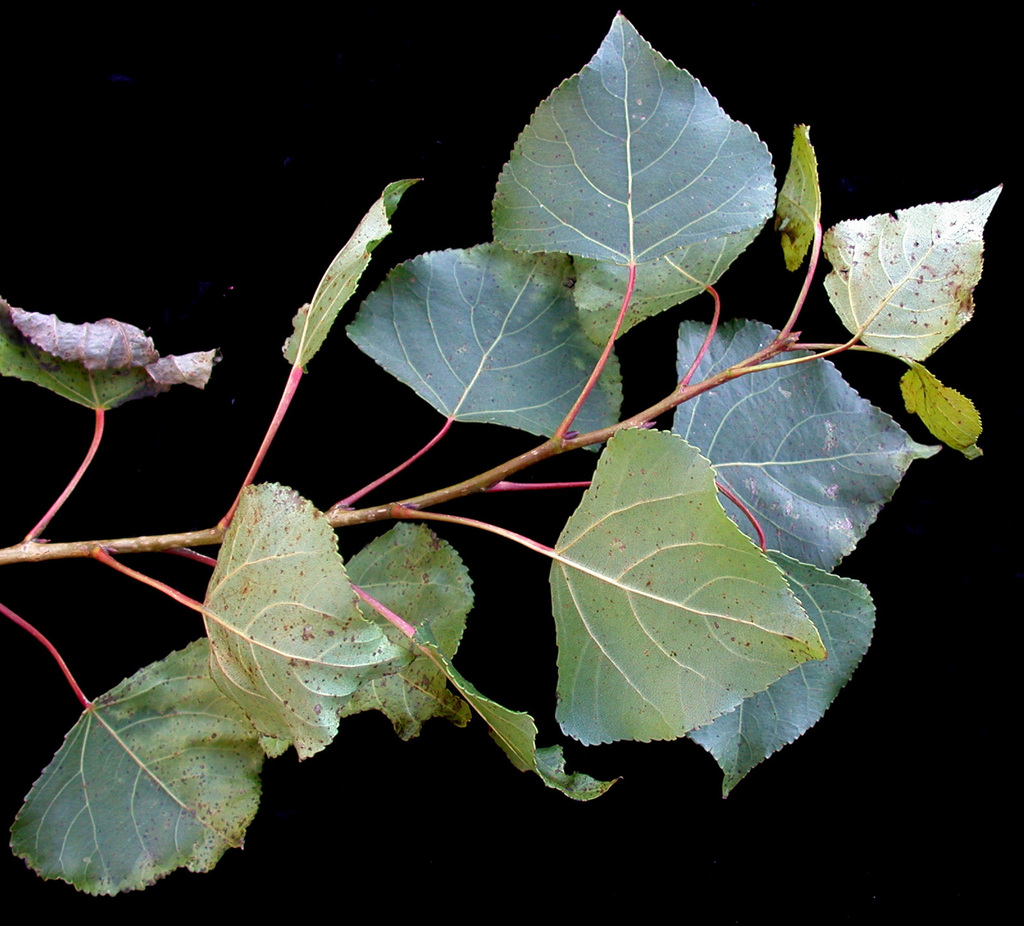
Populus nigra, commonly known as the black poplar, is a large deciduous tree characterized by its dark, deeply fissured bark and broad, open crown. Its leaves are bright green, with a rhomboidal or triangular shape. It is ideal for large parks, riverbanks, or as a shade tree in spacious estates, where its imposing presence can be fully appreciated.
Native range
Europe, North Africa, and West Asia
Care tips
It requires full sun for optimal growth and prefers moist, deep, well-drained soils, even tolerating temporary waterlogging. Watering should be abundant, especially in its early years and during dry periods. A common mistake is planting it in confined spaces, as its large size and extensive root system can cause problems for nearby infrastructure.
How to save a dying Black poplar
- Warning signs
- Yellowing or browning leaves falling prematurely, dry twigs, cracked bark or cankers.
- First aid
- Deep, consistent watering if dry; prune dead branches; check for pests (aphids, caterpillars). Improve drainage if waterlogged.
- What kills it
- Prolonged drought in young stages or poor soils, or constant waterlogging suffocating its roots.
- Can it be saved?
- Yes, if acted upon quickly. It's a resilient tree, but needs adequate water and good soil aeration.