White poplar (Populus alba)
Care, watering, light and tips for White poplar on Floravia.
Quick facts
- Family: Salicaceae
- Difficulty: Easy to care for
- Watering: every 7 days
- Light: Partial shade
- Temperature: 10–30 °C
- Toxicity: Toxic to pets
About White poplar
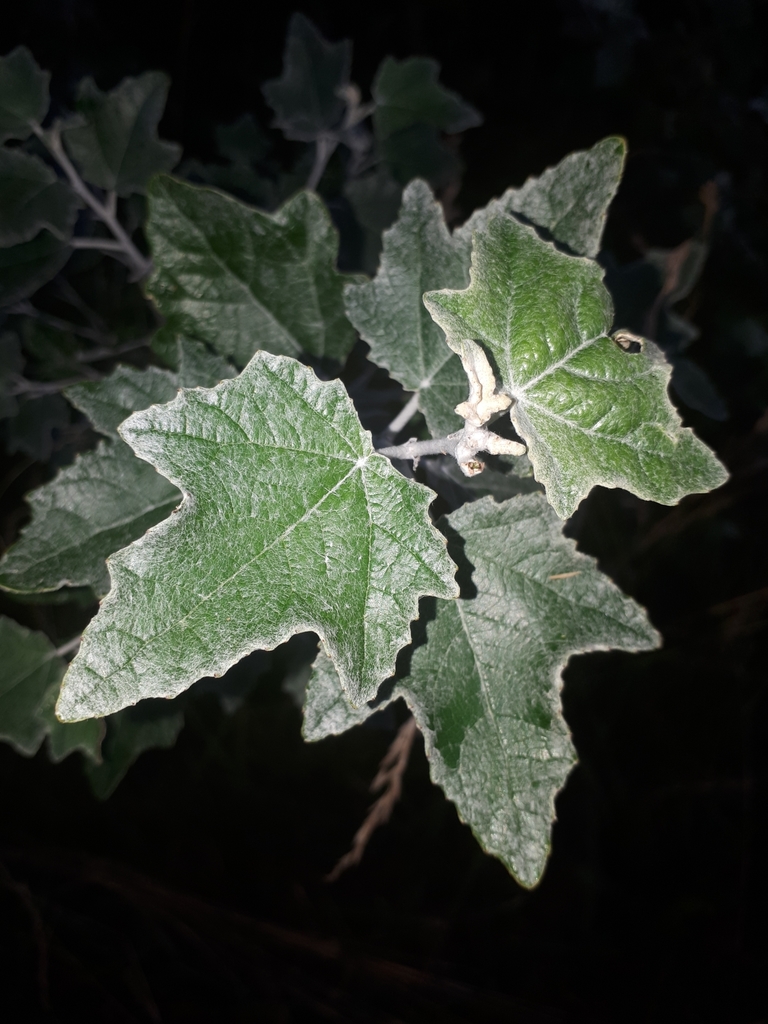
Populus alba, commonly known as White Poplar or Silver Poplar, is a fast-growing deciduous tree belonging to the Salicaceae family. It stands out for its attractive silver undersides of its leaves and its light-colored bark, making it ideal for avenues, large gardens, or as an ornamental tree in parks, providing brightness and an interesting color contrast. It can reach great heights and is very resilient.
Native range
Central and Southern Europe, Western Asia, and North Africa
Care tips
White Poplar thrives in full sun exposure for optimal growth and denser foliage. It requires regular watering, especially during the first few years and dry periods, although it tolerates some drought once established. It adapts to a wide range of soils but prefers moist, deep, and well-drained ones; avoid overly compacted soils. A common mistake is planting it too close to buildings or pipes due to its extensive and shallow root system, which can cause damage.
How to save a dying White poplar
- Warning signs
- Premature yellow or brown leaves, excessive leaf drop, dry or brittle branches.
- First aid
- Check watering (avoid waterlogging or extreme dryness), prune dead branches, check for pests.
- What kills it
- Prolonged lack of water in its early years or very compacted soils preventing root development.
- Can it be saved?
- Yes, if roots are not completely damaged. Act quickly with proper watering and sanitary pruning.