White willow (Salix alba)
Care, watering, light and tips for White willow on Floravia.
Quick facts
- Family: Salicaceae
- Difficulty: Easy to care for
- Watering: every 7 days
- Light: Partial shade
- Temperature: 10–30 °C
- Toxicity: Toxic to pets
About White willow
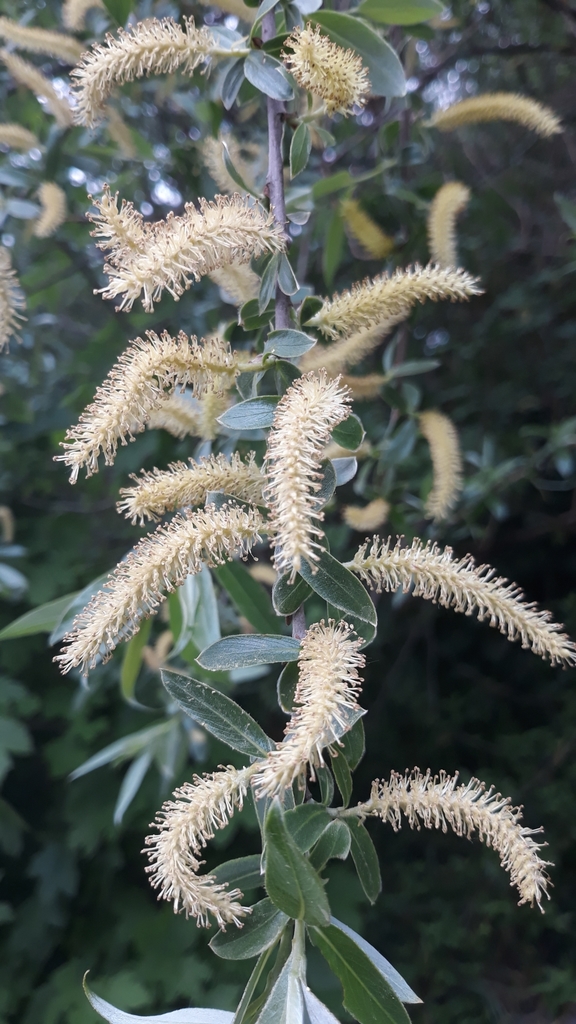
Salix alba, commonly known as white willow, is a fast-growing deciduous tree, famous for its elegant habit and grayish, fissured bark. Its silvery leaves give it a distinctive appearance, especially when swaying in the breeze. It is ideal for planting near watercourses, in large parks, or as an ornamental tree in spacious gardens, where its size and beauty can be fully appreciated.
Native range
Europe, North Africa, and Central Asia
Care tips
White willow thrives in full sun exposure and moist, even waterlogged, soils, being very tolerant of high soil humidity. Watering should be abundant and consistent, especially during dry periods and in its early years. Use a substrate rich in organic matter with good water retention capacity. A common mistake is planting it in dry soils or with low water availability, which can severely hinder its development.
How to save a dying White willow
- Warning signs
- Yellow/brown, wilted leaves; soft or dry shoots.
- First aid
- Check watering, ensure good drainage. Prune dead branches. Protect from strong winds.
- What kills it
- Prolonged drought, constant waterlogging, or very alkaline soil.
- Can it be saved?
- Yes, if roots aren't completely rotted or dry. Act quickly.