Salix lutea
Care, watering, light and tips for Salix lutea on Floravia.
Quick facts
- Family: Salicaceae
- Difficulty: Easy to care for
- Watering: every 7 days
- Light: Partial shade
- Temperature: 10–30 °C
- Toxicity: Toxic to pets
About Salix lutea
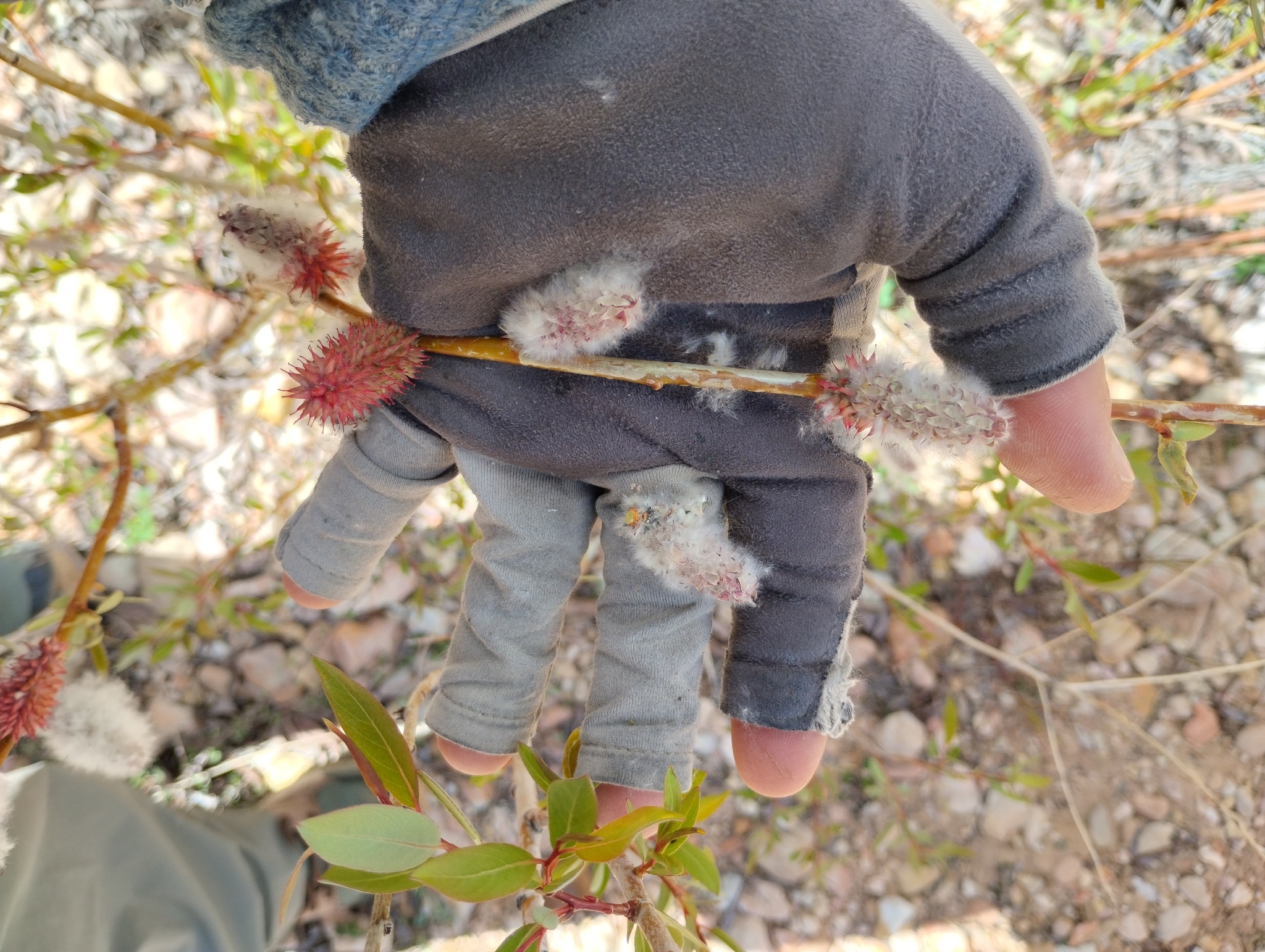
Salix lutea, commonly known as the yellow willow, is a medium to large deciduous tree, valued for its bright yellow bark and weeping branches, which give it an elegant appearance. It is ideal for planting near water bodies, such as ponds or rivers, where its foliage and structure can be reflected, creating a serene and striking landscape. It can also be used as a shade tree or as part of tall hedges in large gardens and natural landscapes.
Native range
North America (primarily Canada and northern United States)
Care tips
Yellow willow thrives in full sun to partial shade and prefers moist to wet soils, even tolerating occasional submersion, making it perfect for areas with high humidity or flooding. Ensure the substrate is rich and well-drained, although it can adapt to a variety of soils. A common mistake is planting it in dry, poor soils, which will limit its growth and vitality. Regular pruning is required to maintain its shape and remove dead or damaged branches.
How to save a dying Salix lutea
- Warning signs
- Yellowish or brown leaves, wilted and dull. Dry, brittle branches. Lack of new shoots. General decline.
- First aid
- Ensure constant and abundant watering, especially in summer. Check drainage and soil moisture. Protect from strong winds if young. Consider nitrogen-rich fertilizer if soil is poor.
- What kills it
- Prolonged drought, especially when young. Constant waterlogging that suffocates roots. Excessive or ill-timed pruning. Lack of light.
- Can it be saved?
- Yes, if main branches are still flexible and trunk is not completely dry. Act quickly with watering and good drainage.