Grey sallow (Salix cinerea)
Care, watering, light and tips for Grey sallow on Floravia.
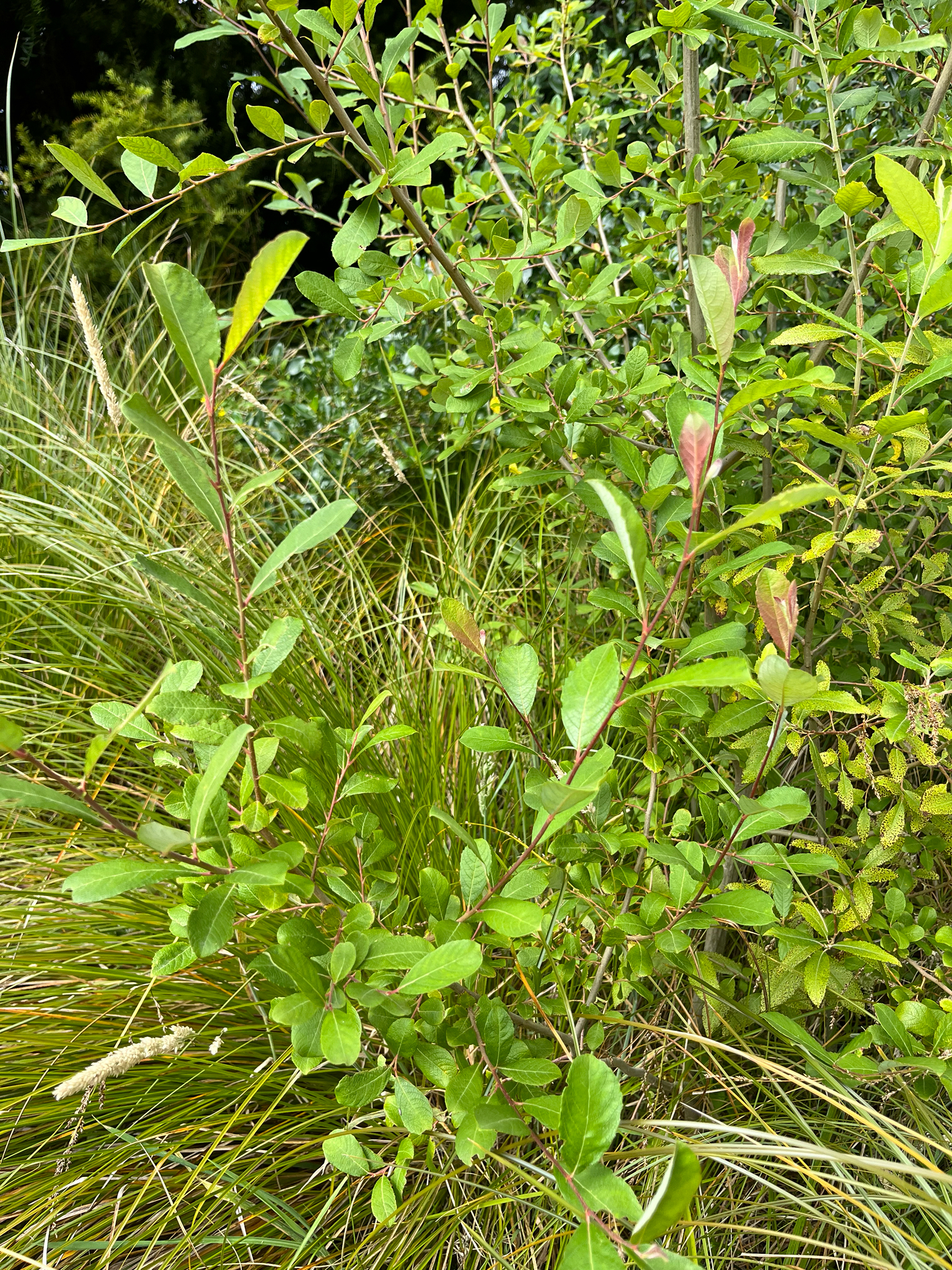
Quick facts
- Family: Salicaceae
- Difficulty: Easy to care for
- Watering: every 7 days
- Light: Partial shade
- Temperature: 10–30 °C
- Toxicity: Toxic to pets
About Grey sallow
Salix cinerea, commonly known as grey sallow or gråselje, is a deciduous shrub or small tree native to Europe and Asia. It is characterized by its pubescent young branches and silvery catkins that appear before the leaves in spring, providing early visual interest. It is ideal for pond edges, damp gardens, or as a hedging plant in rural areas, thanks to its hardiness and adaptability.
Native range
Europe and Western Asia
Care tips
It prefers full sun to partial shade and moist to wet soils, tolerating a wide range of soil types as long as they are not excessively dry. Watering should be regular, especially in its early years, and it benefits from rejuvenation pruning every few years to maintain its vigor. A common mistake is planting it in very dry soils or locations with low ambient humidity, which can affect its development.
How to save a dying Grey sallow
- Warning signs
- Yellow or brown leaves falling prematurely, dry and brittle branches, very slow or no growth.
- First aid
- Check watering, ensure no waterlogging or extreme dryness. Prune dead branches. If potted, a larger pot with good drainage can help.
- What kills it
- Prolonged drought in summer or constant waterlogging. Also lack of light indoors or poor soil nutrients.
- Can it be saved?
- Yes, if roots are not completely rotten or dry and green shoots remain. Act quickly.