Weeping willow (Salix pendulina)
Care, watering, light and tips for Weeping willow on Floravia.
Quick facts
- Family: Salicaceae
- Difficulty: Moderate care
- Watering: every 7 days
- Light: Partial shade
- Temperature: 10–30 °C
- Toxicity: Toxic to pets
About Weeping willow
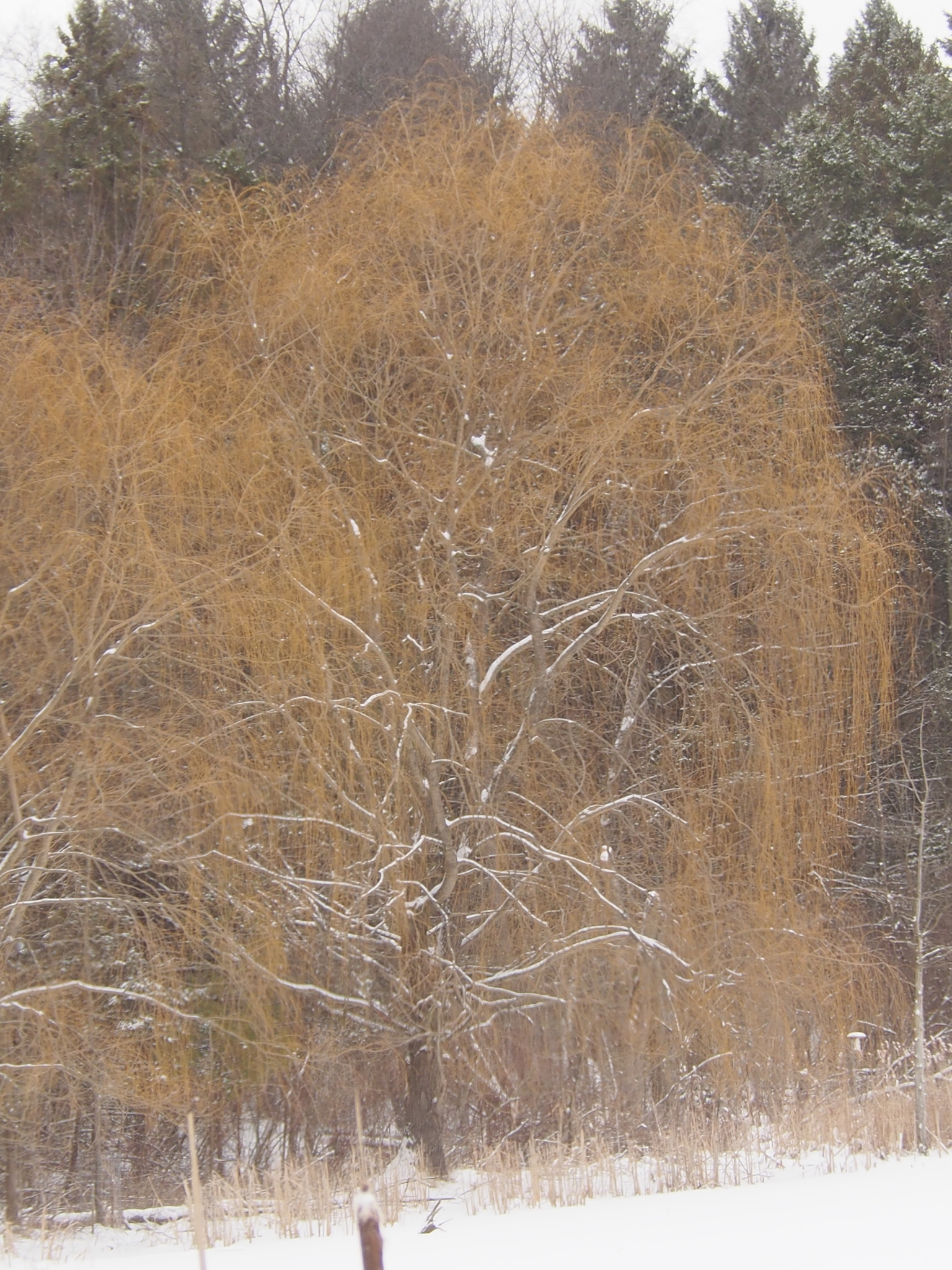
Salix pendulina, or hybrid weeping willow, is a medium-sized deciduous tree renowned for its distinctive growth habit with long, drooping branches that give it an elegant and dramatic appearance. It is ideal for planting near water bodies, such as ponds or streams, where its silhouette is beautifully reflected, or as a focal point in large gardens. Its lanceolate, bright green leaves dance in the wind, adding movement and texture to the landscape.
Native range
Hybrid of uncertain origin, likely from Europe or Asia
Care tips
This willow thrives in full sun to partial shade and requires consistently moist to wet, well-drained soil, being very tolerant of heavy, clay soils. Ensure abundant and regular watering, especially during dry periods and in its early years. A common mistake is planting it in dry soils or with poor water availability, which will limit its development and its characteristic weeping habit.
How to save a dying Weeping willow
- Warning signs
- Yellowish or brown, wilted leaves, premature leaf drop. Dry, brittle branches.
- First aid
- Ensure consistent watering without waterlogging. Check drainage. Prune dead branches. If potted, consider transplanting to a more humid spot.
- What kills it
- Prolonged drought or lack of soil moisture. Also excessive pruning or nutrient-poor soil.
- Can it be saved?
- Yes, if you act quickly. It needs plenty of water and direct sunlight. Urgently check the substrate and drainage.