Hoary willow (Salix eleagnos)
Care, watering, light and tips for Hoary willow on Floravia.
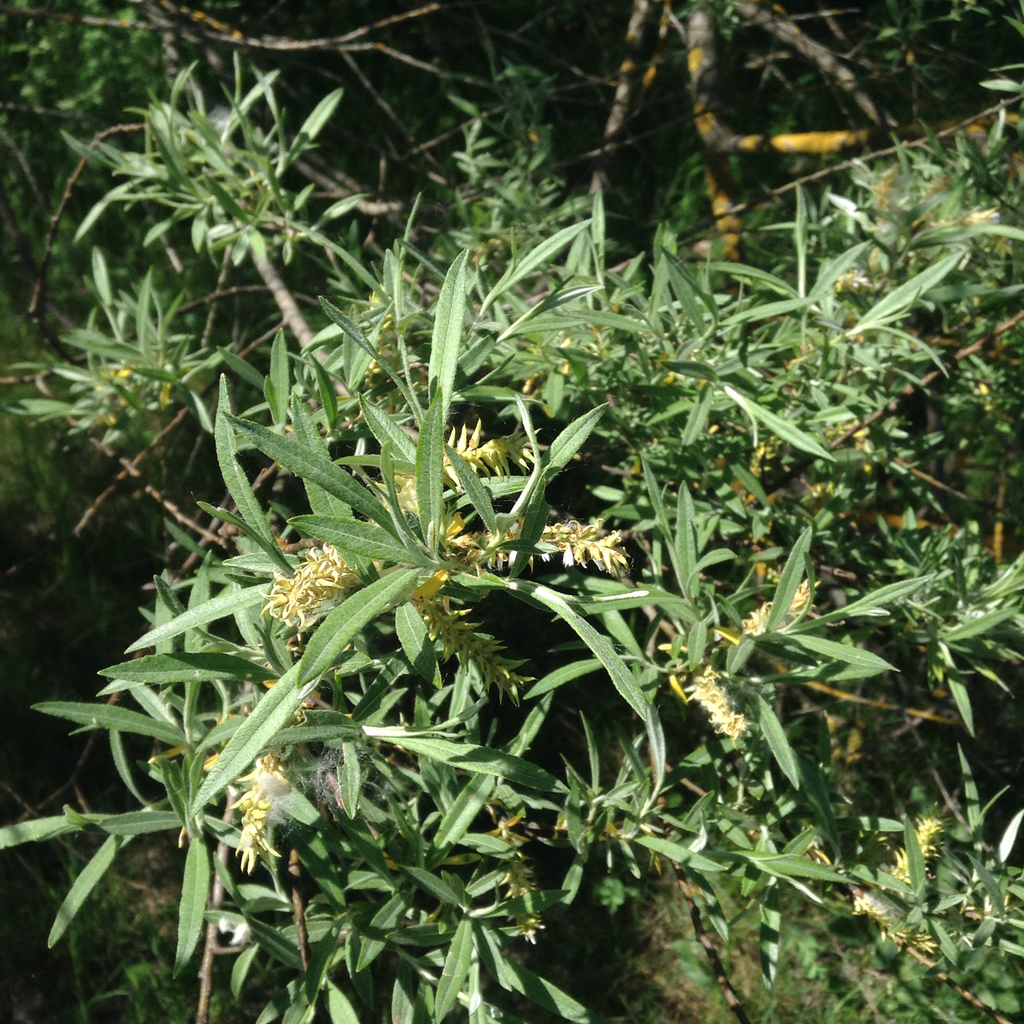
Quick facts
- Family: Salicaceae
- Difficulty: Moderate care
- Watering: every 7 days
- Light: Partial shade
- Temperature: 10–30 °C
- Toxicity: Toxic to pets
About Hoary willow
Salix eleagnos, commonly known as olive-leaved willow or dunpil, is a shrub or small tree from the Salicaceae family, valued for its elongated, silvery foliage reminiscent of an olive tree. Its elegant habit and hardiness make it ideal for riparian restoration, naturalistic gardens, or as a standalone specimen where a touch of lightness and color is desired. It is particularly appealing in landscapes aiming to evoke Mediterranean or dry riverbed environments.
Native range
Central and Southern Europe, and Western Asia
Care tips
This willow prefers full sun to partial shade and tolerates a wide range of soils, though it favors moist, well-drained ones. It is a drought-tolerant species once established, but will appreciate regular watering during dry periods, especially in its early years. Avoid prolonged waterlogging, as although it likes moisture, constant excess can be detrimental to its roots. A common mistake is planting it in very dry soils without supplemental irrigation during establishment.
How to save a dying Hoary willow
- Warning signs
- Yellowish or brown, wilted leaves with premature drop; dry or brittle branches.
- First aid
- Deep and consistent watering (especially in summer), ensuring good drainage. Prune dry branches to stimulate new growth.
- What kills it
- Prolonged drought or inadequate watering; very dry or nutrient-poor soils. Excessive pruning.
- Can it be saved?
- Yes, if roots are not completely dry. Responds well to watering and corrective pruning.