Goodding's willow (Salix gooddingii)
Care, watering, light and tips for Goodding's willow on Floravia.
Quick facts
- Family: Salicaceae
- Difficulty: Moderate care
- Watering: every 7 days
- Light: Partial shade
- Temperature: 10–30 °C
- Toxicity: Toxic to pets
About Goodding's willow
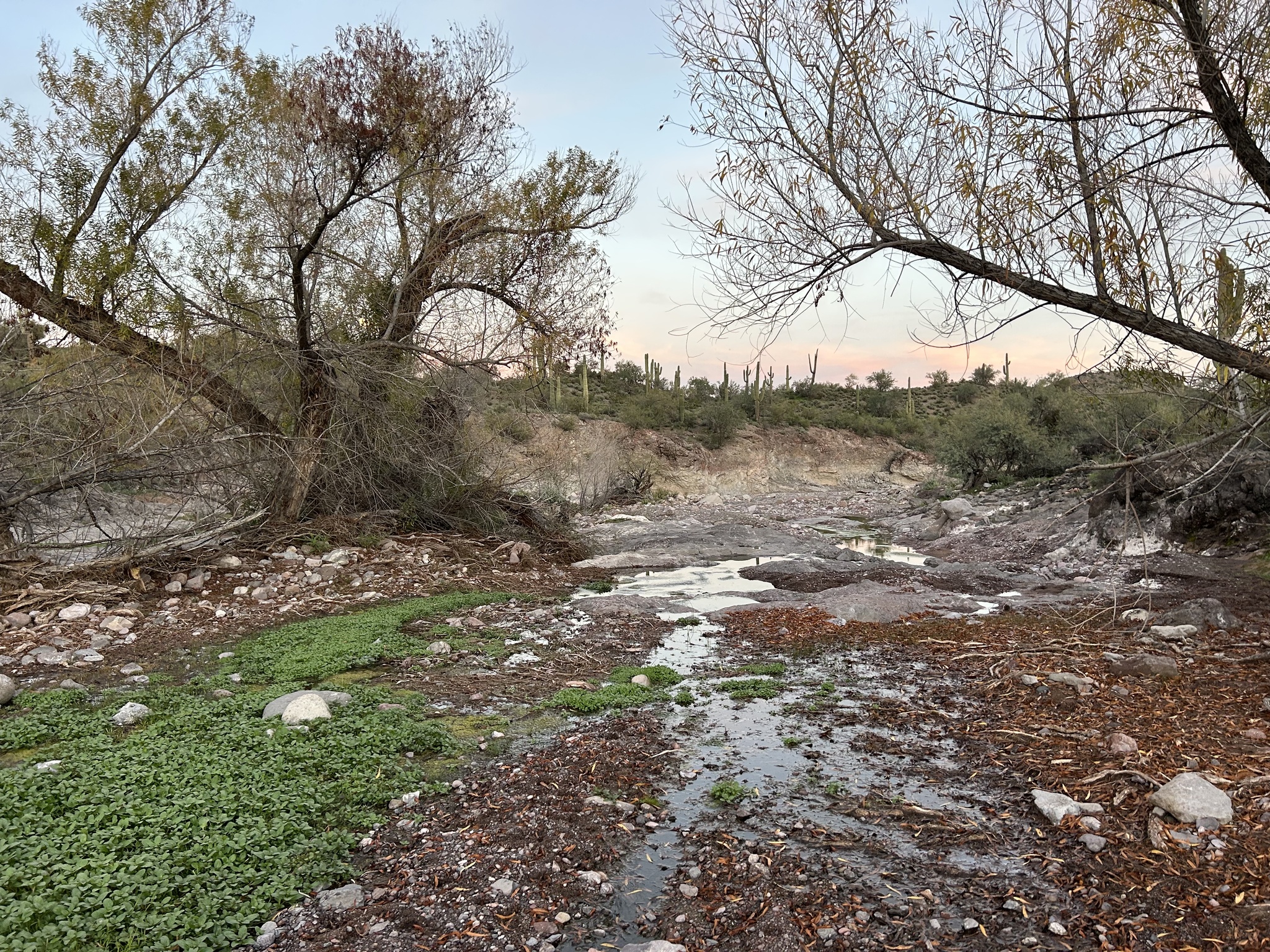
Salix gooddingii, commonly known as Goodding's Willow, is a medium to large deciduous tree native to the southwestern United States and northern Mexico, capable of reaching up to 20 meters in height. It is characterized by its flexible branches, deeply furrowed bark, and bright green, lance-shaped leaves. This species is excellent for riparian revegetation, ecological restoration projects, and as a shade tree in moist landscapes.
Native range
Southwestern United States and northern Mexico
Care tips
Goodding's Willow thrives in full sun to partial shade and prefers consistently wet or even saturated soils, tolerating a wide range of soil types as long as drainage is not an issue. Abundant and regular watering is crucial, especially in dry climates or during establishment periods. Ensure it is planted in a location with ample space, as it can develop an extensive and shallow root system. Avoid planting it in areas with dry, compacted soils, as this will compromise its growth and vitality.
How to save a dying Goodding's willow
- Warning signs
- Yellowish or brown, wilting leaves, leaf drop. Dry, brittle branches.
- First aid
- Ensure abundant, constant watering. Check drainage and sun exposure.
- What kills it
- Prolonged lack of water or drought. Low humidity.
- Can it be saved?
- Yes, if roots aren't completely dry. Water and prune dead parts.