Humboldt's willow (Salix humboldtiana)
Care, watering, light and tips for Humboldt's willow on Floravia.
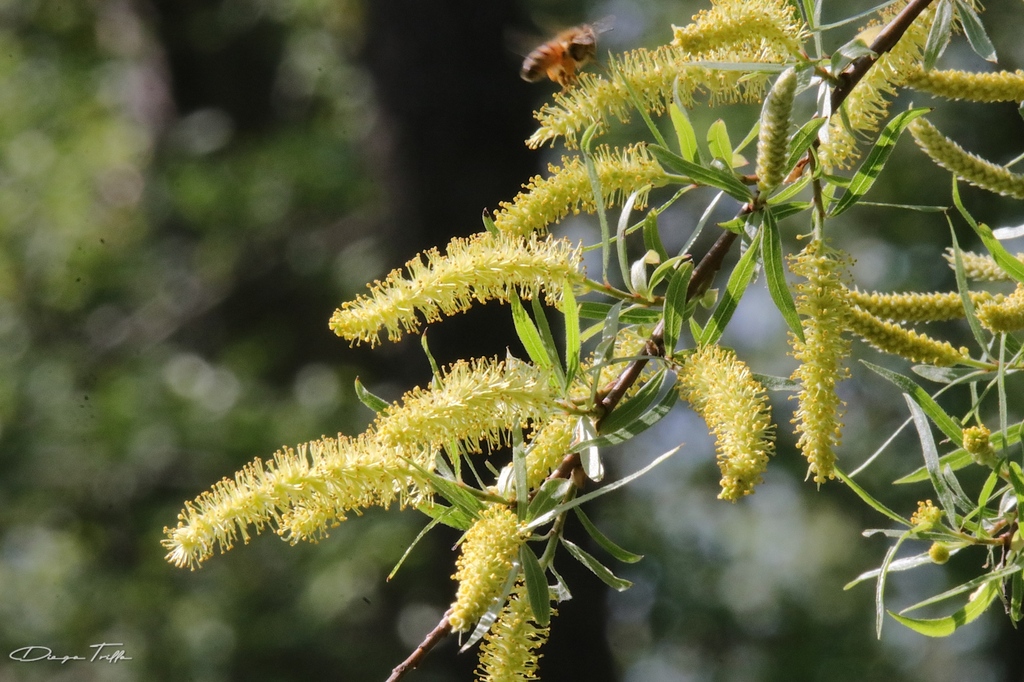
Quick facts
- Family: Salicaceae
- Difficulty: Easy to care for
- Watering: every 3 days
- Light: Partial shade
- Temperature: 10–30 °C
- Toxicity: Toxic to pets
About Humboldt's willow
Salix humboldtiana, commonly known as Humboldt's willow or Chilean willow, is a fast-growing deciduous tree native to South America. It is characterized by its broad, irregular canopy and flexible, drooping branches, which give it an elegant, weeping appearance. It is ideal for planting near water bodies, where its silhouette is beautifully reflected, or in large parks and gardens that require a substantial focal point.
Native range
South America, from southern Colombia to central Argentina and Chile
Care tips
This willow prefers full sun exposure for optimal growth, although it tolerates partial shade. It requires abundant and consistent watering, especially during warm months, as it is a moisture-loving tree that thrives in well-drained but humid soils. The ideal substrate is rich in organic matter and has good water retention. A common mistake is not providing it with enough water, which can stress the tree and affect its development.
How to save a dying Humboldt's willow
- Warning signs
- Yellow or brown falling leaves, dry and brittle branches, lack of new shoots. General decline.
- First aid
- Check watering (moist but not waterlogged soil). Prune dry, dead branches to stimulate growth. Assess sun exposure.
- What kills it
- Prolonged drought or constant waterlogging. Does not tolerate dry or compacted soils. Lack of adequate light.
- Can it be saved?
- Yes, if roots are not completely rotted or dry. Act quickly to adjust watering and prune damaged parts.