Goat willow (Salix caprea)
Care, watering, light and tips for Goat willow on Floravia.
Quick facts
- Family: Salicaceae
- Difficulty: Easy to care for
- Watering: every 5 days
- Light: Partial shade
- Temperature: 10–30 °C
- Toxicity: Toxic to pets
About Goat willow
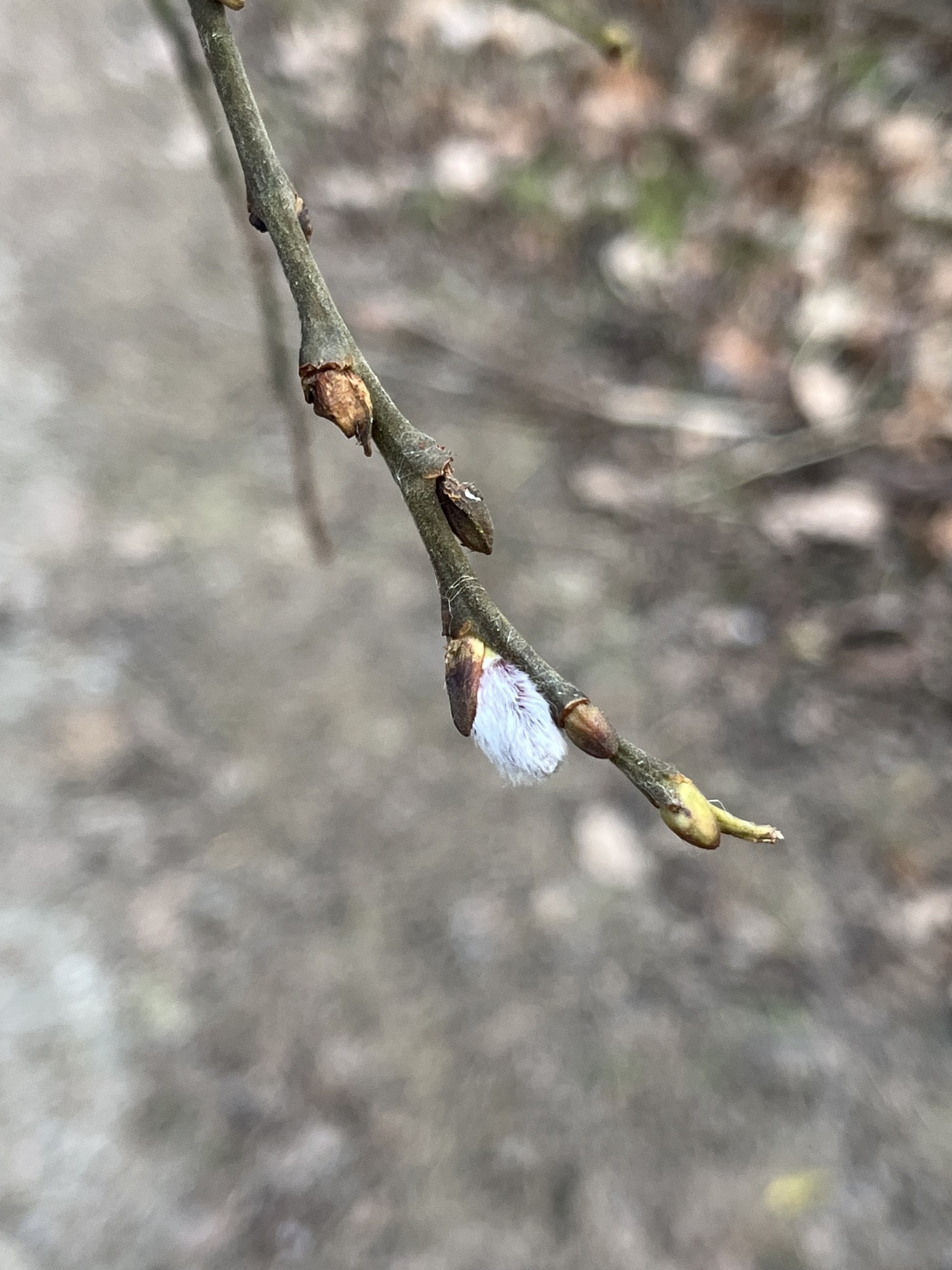
Salix caprea, commonly known as pussy willow or goat willow, is a deciduous tree or shrub native to Europe and Asia. It is notable for its silvery, furry catkins that appear in late winter or early spring, before the leaves emerge, offering visual appeal and serving as an early nectar source for pollinators. It is ideal for rustic gardens, pond edges, or as a specimen plant in parks, where its early blooming can be appreciated.
Native range
Europe and Western and Central Asia
Care tips
Salix caprea prefers full sun to partial shade and adapts to a wide range of soils, although it thrives best in moist, well-drained substrates. It requires regular watering, especially during dry periods and in its early years, to keep the soil consistently moist. A common mistake is planting it in very dry soils or not providing enough water, which can affect its vigor and flowering. It benefits from pruning after flowering to maintain its shape and promote abundant blooms the following year.
How to save a dying Goat willow
- Warning signs
- Yellow or brown leaves falling prematurely, dry or brittle branches, lack of new shoots.
- First aid
- Check watering (moist but not waterlogged soil), prune dead branches, verify drainage and sun exposure.
- What kills it
- Prolonged drought in its early years or compacted soil without good drainage.
- Can it be saved?
- Yes, if roots are not completely damaged and action is taken quickly.