Carolina poplar (Populus canadensis)
Care, watering, light and tips for Carolina poplar on Floravia.
Quick facts
- Family: Salicaceae
- Difficulty: Easy to care for
- Watering: every 7 days
- Light: Partial shade
- Temperature: 10–30 °C
- Toxicity: Toxic to pets
About Carolina poplar
Populus canadensis, or Canadian poplar, is a fast-growing, large tree known for its straight trunk and pyramidal canopy when young, which becomes more open and spreading with age. Its bright green leaves turn yellow in autumn, offering a visual spectacle. It is ideal for large gardens, parks, and avenue plantings where abundant shade and a significant landscape impact are desired.
Native range
North America (eastern United States and southeastern Canada)
Care tips
It requires full sun for optimal growth and vigorous development. Watering should be abundant, especially during the first few years and in dry periods, as it is a species that prefers moist soils. It prefers deep, fertile, and well-drained soils, although it tolerates a wide range of conditions. A common mistake is planting it near structures or pipes due to its extensive root system, which can cause damage.
How to save a dying Carolina poplar
- Warning signs
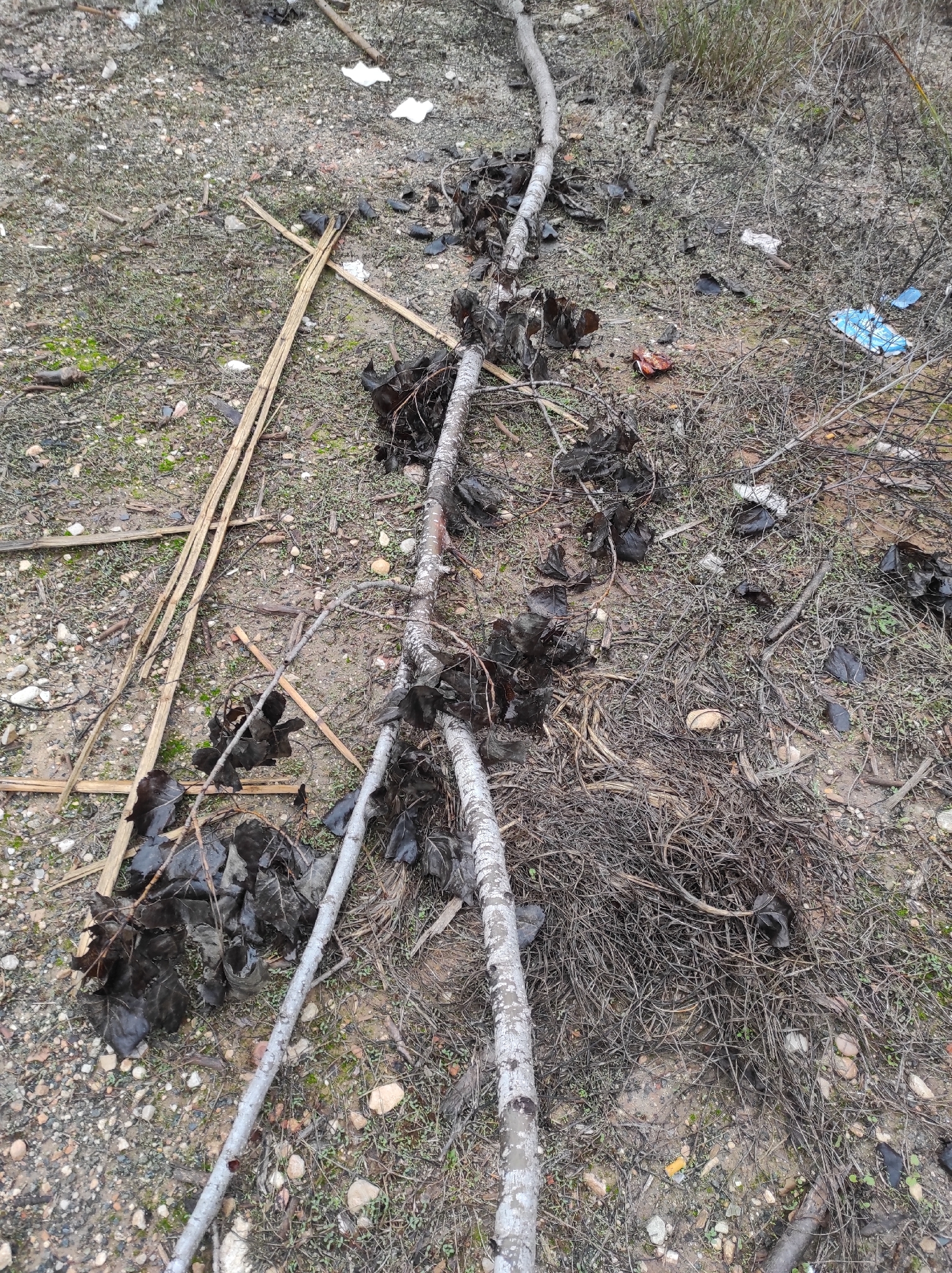
- Premature yellowing or browning leaves, brittle dry branches, slow or no growth. May indicate drought or pests.
- First aid
- Check watering; poplars need lots of water, especially when young. If potted, consider repotting. Inspect for pests like aphids or borers. Prune dead branches.
- What kills it
- Prolonged lack of watering in its early years. Also susceptible to fungal diseases if soil drains poorly or wounds are poorly healed.
- Can it be saved?
- Yes! Poplars are quite resilient. Act quickly with watering and pest control. If the main trunk is severely damaged, it's harder, but they often sprout from the base.