Creeping willow (Salix repens)
Care, watering, light and tips for Creeping willow on Floravia.
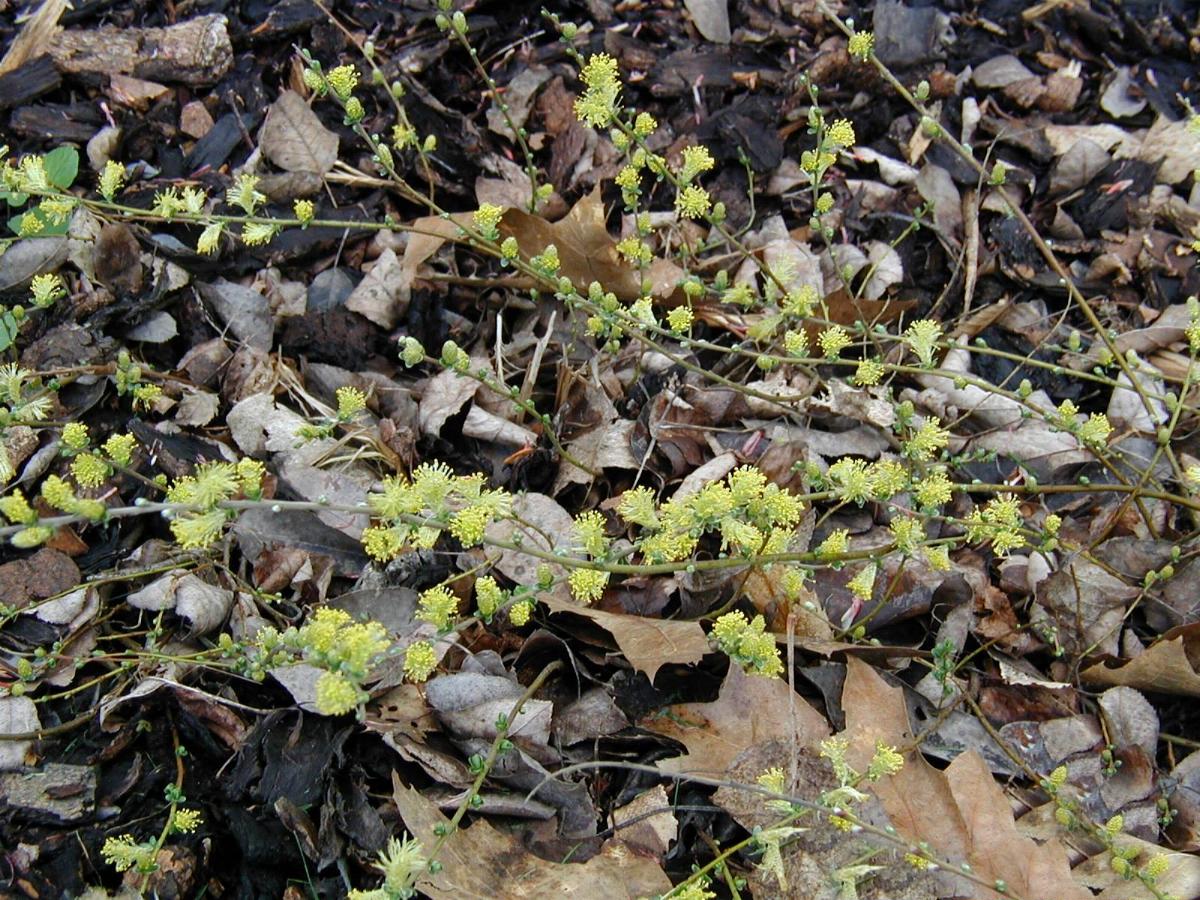
Quick facts
- Family: Salicaceae
- Difficulty: Moderate care
- Watering: every 7 days
- Light: Partial shade
- Temperature: 10–30 °C
- Toxicity: Toxic to pets
About Creeping willow
Salix repens, commonly known as creeping willow or dwarf willow, is a small deciduous shrub from the Salicaceae family, forming low, spreading mats. Its flexible, often prostrate branches, covered with small, silvery leaves, make it ideal for ground cover in rockeries, pond edges, or as a pioneer plant in poor soils. Its creeping habit and hardiness make it an excellent choice for low-maintenance gardens or for stabilizing slopes.
Native range
Europe and Northern Asia
Care tips
It prefers full sun to partial shade and moist, well-drained soils, although it tolerates a wide range of soil conditions. Watering should be regular, especially during dry periods, keeping the substrate consistently moist but not waterlogged. A sandy or loamy substrate with good drainage is ideal. Avoid prolonged drought, as it can stress the plant and affect its growth.
How to save a dying Creeping willow
- Warning signs
- Yellowish or brown, wilting leaves, soft stems. May indicate over/underwatering or heat stress.
- First aid
- Check soil moisture. If dry, water thoroughly; if wet, improve drainage. Protect from intense direct sun and extreme heat.
- What kills it
- Constant waterlogging, especially in warm climates, or prolonged drought. It does not tolerate dryness.
- Can it be saved?
- Yes, if you act quickly. Good drainage and proper watering are key. Check roots for rot if waterlogged.