Carolina poplar (Populus deltoides x nigra)
Care, watering, light and tips for Carolina poplar on Floravia.
Quick facts
- Family: Salicaceae
- Difficulty: Easy to care for
- Watering: every 7 days
- Light: Partial shade
- Temperature: 10–30 °C
About Carolina poplar
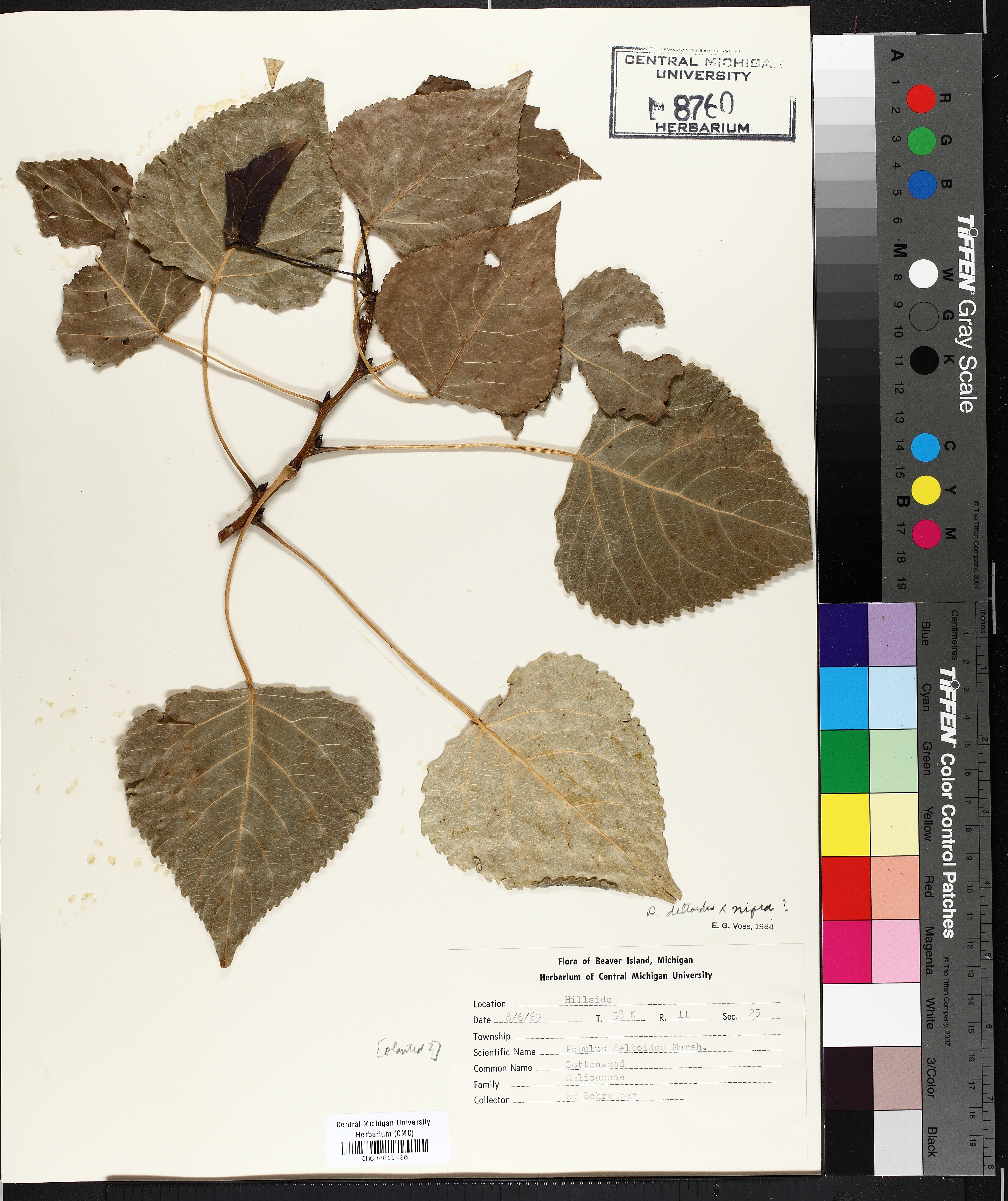
Populus deltoides x nigra, commonly known as the Canadian Poplar, is a fast-growing hybrid tree characterized by its large size, reaching heights of up to 30 meters, and its wide, spreading crown. Its bright green, triangular or deltoid leaves turn yellow in autumn, offering a spectacular display. It is ideal for large gardens, parks, and as a shade tree in open areas, although its root system can be invasive, so it should be planted away from buildings.
Native range
North America and Europe
Care tips
This poplar thrives in full sun and deep, moist, well-drained soils, although it is quite tolerant of various soil types. It requires abundant watering, especially during its first few years and in dry periods, to establish properly. A common mistake is planting it near pipes or foundations due to its powerful root system; ensure it has ample space. Pruning is generally limited to removing dead or diseased branches, or for shaping when young.
How to save a dying Carolina poplar
- Warning signs
- Premature yellowing/browning leaves, dry/brittle branches, unusual slow growth.
- First aid
- Deep watering if soil is dry. Inspect for pests (aphids, caterpillars) or diseases (poplar canker).
- What kills it
- Insufficient watering in dry periods, especially when young. Soil compaction. Excessive or incorrect pruning.
- Can it be saved?
- Yes, with prompt action. Requires identifying the cause and diligent correction.