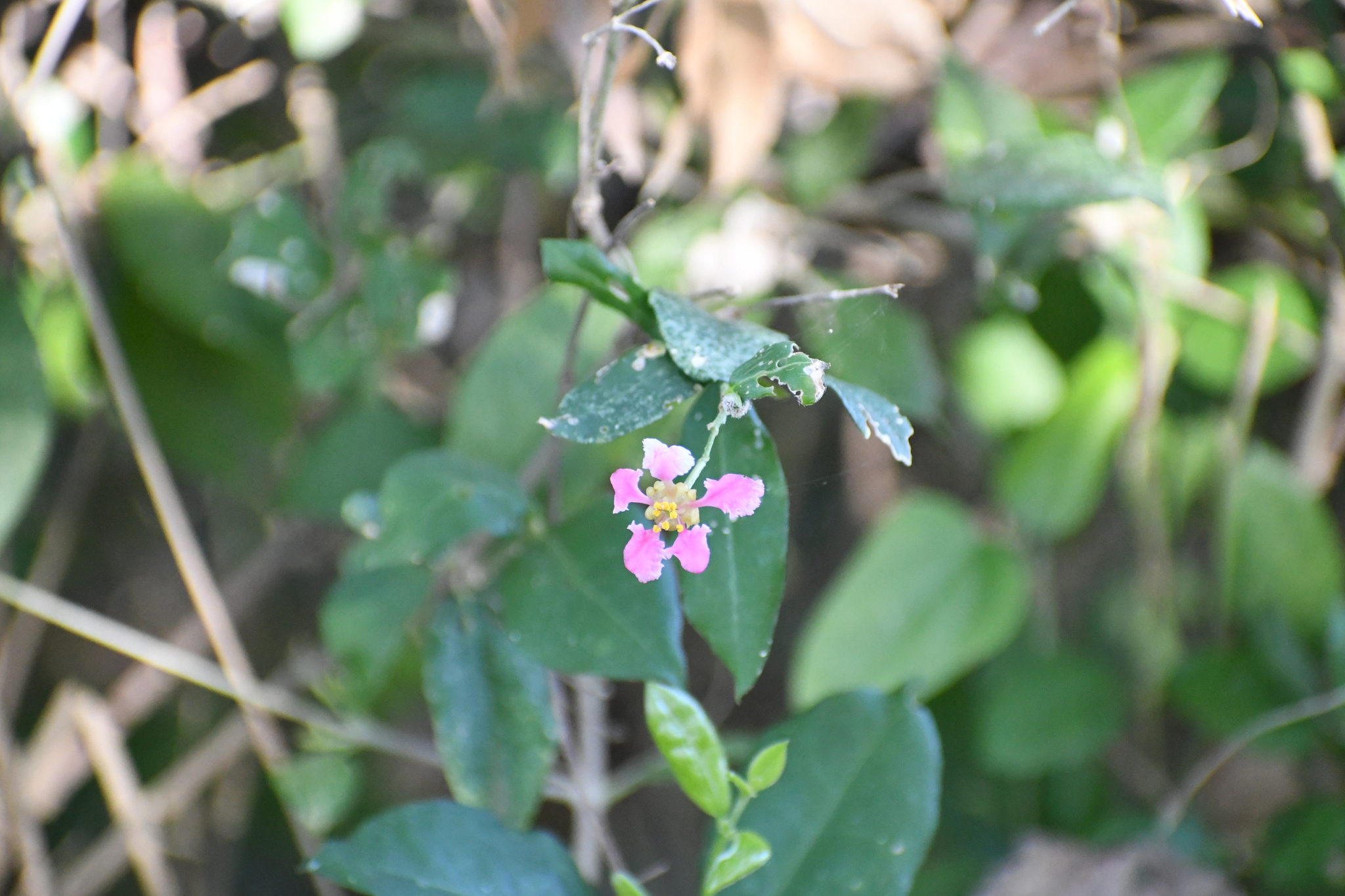
Barbados cherry (Malpighia glabra)
Care, watering, light and tips for Barbados cherry on Floravia.
Quick facts
- Family: Malpighiaceae
- Difficulty: Easy to care for
- Watering: every 3 days
- Light: Partial shade
- Temperature: 10–30 °C
About Barbados cherry
Malpighia glabra, commonly known as Barbados cherry or acerola, is an evergreen shrub or small tree, prized for its small, glossy red edible fruits and attractive dark green foliage. Its delicate pink or purple flowers add a special charm, making it an excellent choice for low hedges, garden borders, or as a fruiting specimen in pots on patios and balconies. Beyond its ornamental beauty, its fruits are an exceptional source of vitamin C.
Native range
Tropical America, including southern Mexico, Central America, the Caribbean, and northern South America.
Care tips
It requires full sun for optimal fruiting and flowering, although it tolerates some partial shade. Watering should be regular, keeping the substrate moist but not waterlogged, especially during flowering and fruiting periods. It prefers well-drained soils, rich in organic matter, and with a slightly acidic to neutral pH. A common mistake is lack of pruning, which can reduce fruit production and foliage density; prune it to maintain shape and stimulate branching.
How to save a dying Barbados cherry
- Warning signs
- Yellow or reddish leaves, easy shedding; wilting new shoots; small or no fruits.
- First aid
- Check drainage and watering (keep soil moist, not waterlogged). Ensure 6-8h direct sun. Fertilize with balanced food.
- What kills it
- Prolonged drought or constant waterlogging. Lack of direct light. Temperatures below 0°C.
- Can it be saved?
- Yes, if roots aren't rotted. Act fast by correcting growing conditions.