Queen's crape myrtle (Lagerstroemia speciosa)
Care, watering, light and tips for Queen's crape myrtle on Floravia.
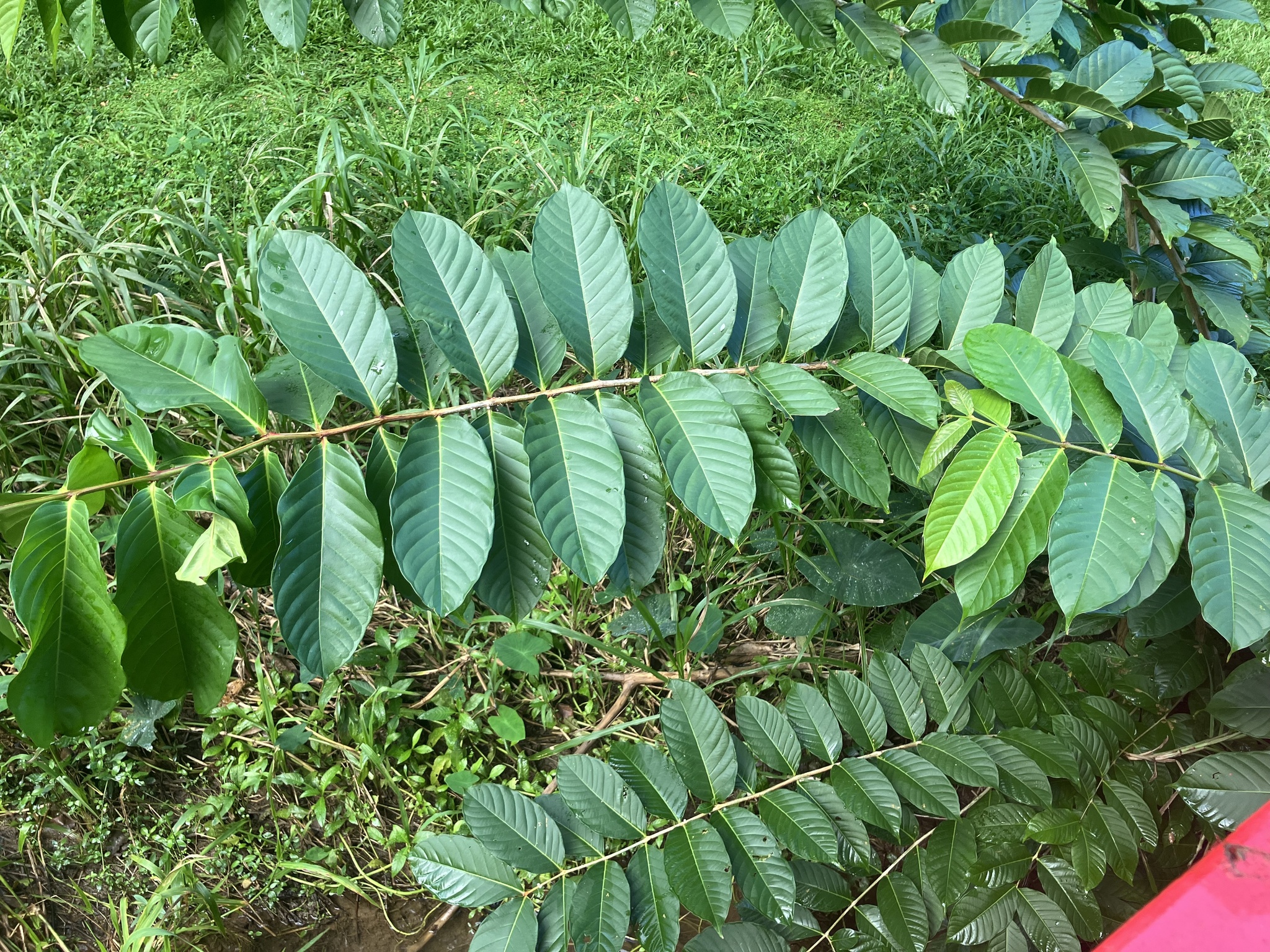
Quick facts
- Family: Lythraceae
- Difficulty: Moderate care
- Watering: every 3 days
- Light: Partial shade
- Temperature: 10–30 °C
About Queen's crape myrtle
Lagerstroemia speciosa, known as 'Sari konokono wadrada' in some regions, is a medium-sized ornamental tree renowned for its spectacular pink to purple blooms. Its large, showy flowers, appearing in terminal panicles, cover the tree during summer, creating an impressive visual impact. It is ideal as a shade tree in spacious gardens or as a focal point in tropical and subtropical parks and avenues.
Native range
Tropical and subtropical Asia, including Southeast Asia and the Indian subcontinent.
Care tips
It requires full sun for optimal and abundant flowering, and prefers well-drained, slightly acidic to neutral soils. Watering should be regular, especially during dry periods and in its juvenile stage, but avoiding waterlogging. Prune dead or diseased wood in late winter to maintain its shape and encourage new blooms. A common mistake is excessive pruning or 'crapemyrtle topping,' which weakens the tree and results in lower quality flowering.
How to save a dying Queen's crape myrtle
- Warning signs
- Yellow or reddish leaves out of autumn, weak shoots, scarce or no flowering, powdery white spots (powdery mildew).
- First aid
- Check watering and drainage. Prune dead branches. Apply fungicide for powdery mildew. Ensure good air circulation.
- What kills it
- Constant waterlogging causing root rot, or very alkaline soil leading to chlorosis.
- Can it be saved?
- Yes, if the cause is corrected in time. It's resilient but needs proper soil and good drainage.