Henna (Lawsonia inermis)
Care, watering, light and tips for Henna on Floravia.
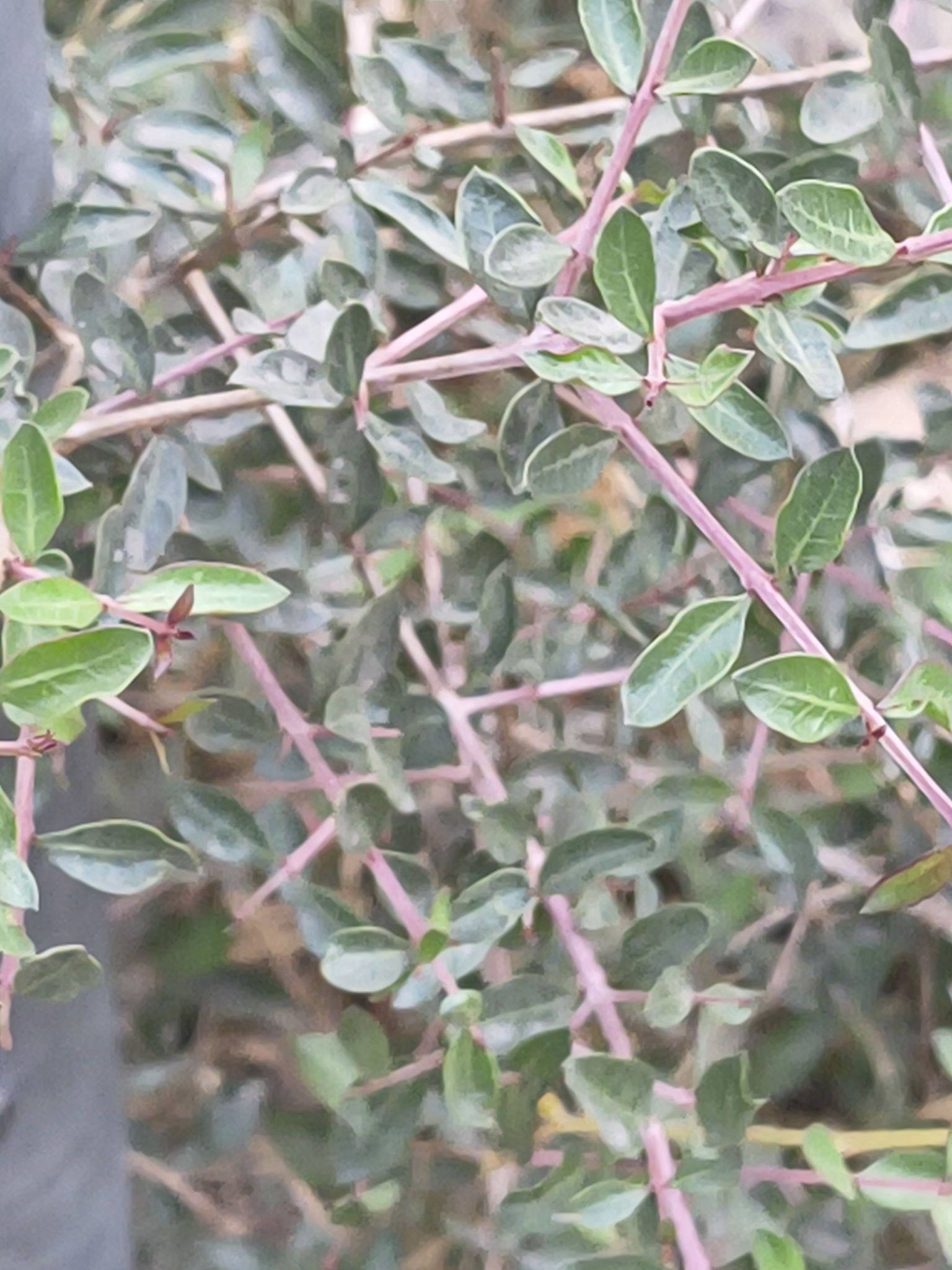
Quick facts
- Family: Lythraceae
- Difficulty: Moderate care
- Watering: every 7 days
- Light: Partial shade
- Temperature: 10–30 °C
- Toxicity: Toxic to pets
About Henna
Lawsonia inermis, commonly known as Henna, is a shrub or small tree from the Lythraceae family, renowned for its leaves from which the natural henna dye is extracted. It features dense, bright green foliage and small, fragrant white or pale pink flowers that grow in clusters. It is ideal for hedges, as an ornamental plant in warm gardens, or in large pots on sunny patios.
Native range
North Africa, Middle East, and South Asia
Care tips
It requires full sun for optimal growth and abundant flowering; it tolerates partial shade, but development will be less vigorous. Watering should be regular, keeping the substrate moist but not waterlogged, especially during warm and dry periods. It prefers well-drained, fertile, and slightly acidic to neutral soils. A common mistake is lack of pruning, which can lead to straggly growth; prune annually to maintain its shape and encourage density.
How to save a dying Henna
- Warning signs
- Yellowing or browning leaves falling off, dry and brittle stems, lack of growth.
- First aid
- Check watering, ensure well-draining soil that is moist but not waterlogged. Protect from extreme cold.
- What kills it
- Prolonged drought (it's sensitive to water scarcity), frost, or compacted soil without proper drainage.
- Can it be saved?
- Yes, if you act quickly. Proper watering and good drainage are key for recovery. Pruning dead parts can help.