Large-leaved lime (Tilia platyphyllos)
Care, watering, light and tips for Large-leaved lime on Floravia.
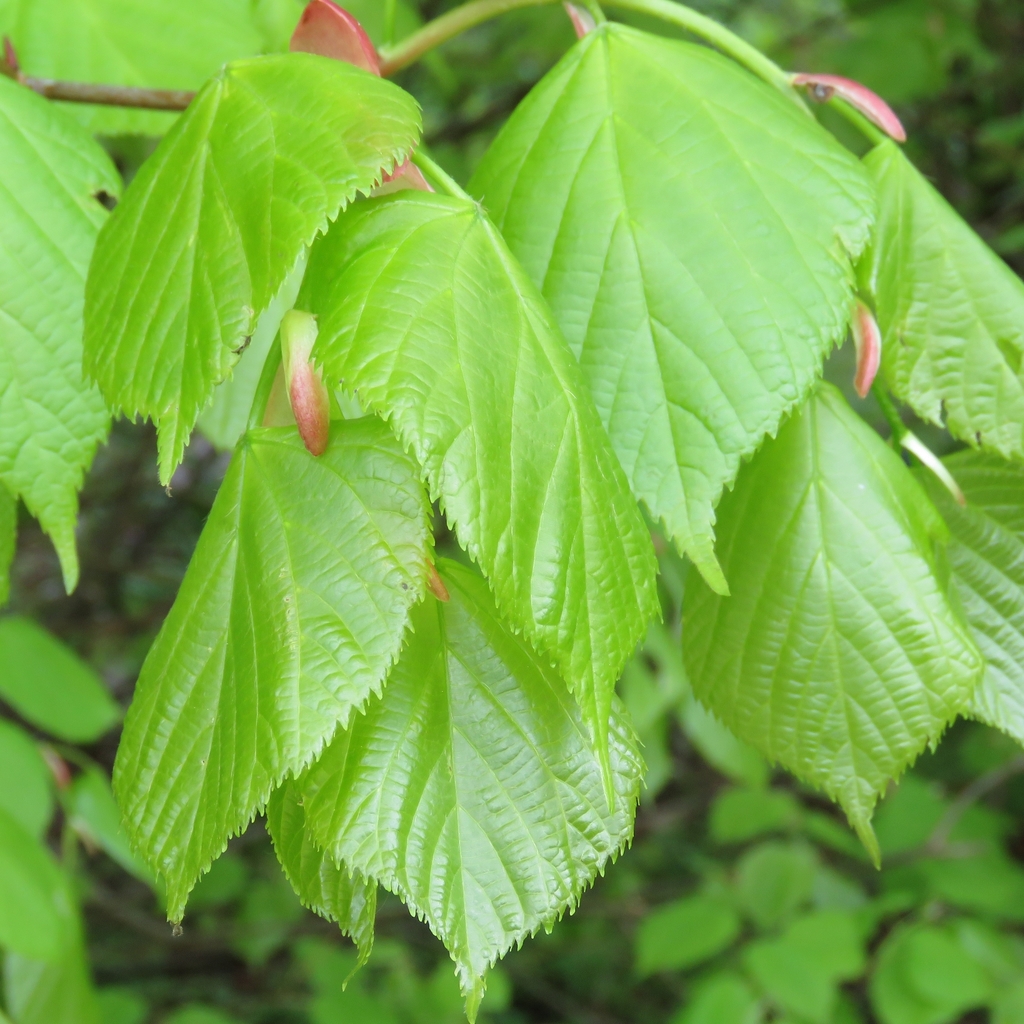
Quick facts
- Family: Malvaceae
- Difficulty: Easy to care for
- Watering: every 7 days
- Light: Partial shade
- Temperature: 10–30 °C
About Large-leaved lime
The Large-leaved Lime (Tilia platyphyllos), also known as storlind, is a large, majestic deciduous tree from the Malvaceae family, valued for its dense pyramidal or rounded canopy and fragrant pale yellow flowers. It is ideal for avenues, parks, and spacious gardens, providing generous shade and a sweet aroma in summer. Its large, heart-shaped leaves make it a prominent ornamental specimen.
Native range
Central and Southern Europe
Care tips
It prefers full sun to partial shade, thriving in temperate climates. Watering should be regular during the first few years and in dry periods, ensuring the soil remains moist but not waterlogged. It requires a deep, fertile, and well-drained substrate, preferably neutral to slightly alkaline. A common mistake is planting it in poor or heavily compacted soils, which hinders its growth and root development.
How to save a dying Large-leaved lime
- Warning signs
- Yellowish or brown leaves early, premature leaf drop, weak shoots. May indicate water stress or pests.
- First aid
- Ensure deep, regular watering, especially in drought. Check for pests like aphids or mites and treat with insecticidal soap.
- What kills it
- Lack of watering in summer or compacted soils. Excessive or poorly timed pruning also weakens its structure.
- Can it be saved?
- Yes, if you act quickly. Proper watering and pest control usually revive it. Patience is key.