Jute (Corchorus capsularis)
Care, watering, light and tips for Jute on Floravia.
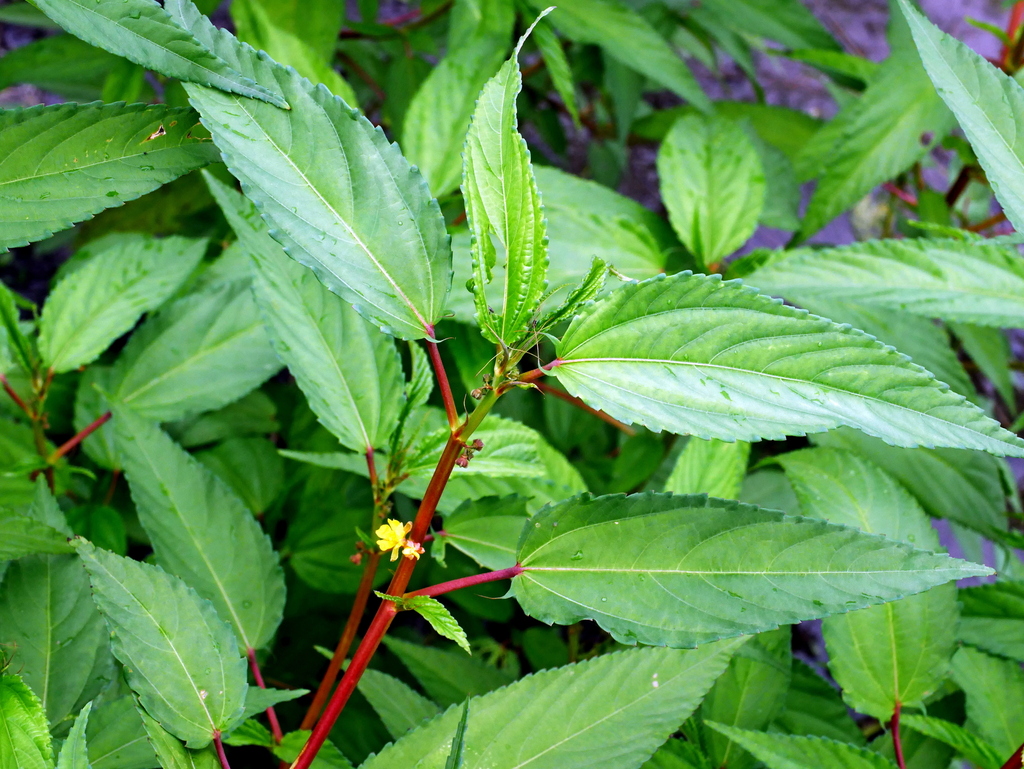
Quick facts
- Family: Malvaceae
- Difficulty: Moderate care
- Watering: every 4 days
- Light: Partial shade
- Temperature: 10–30 °C
About Jute
Corchorus capsularis, commonly known as white jute, is an annual herbaceous plant valued for its long vegetable fibers, though it can also be grown ornamentally for its green foliage and small yellow flowers. Native to tropical regions, it has a slender, upright appearance, reaching considerable heights. It is ideal for warm-climate vegetable gardens or landscapes where an exotic and functional touch is desired.
Native range
Tropical Asia, particularly the Indian subcontinent.
Care tips
It requires full sun for optimal growth and warm temperatures, as it does not tolerate frost. Watering should be regular and abundant, especially during its growth phase, keeping the substrate moist but not waterlogged. It prefers fertile, well-drained, and slightly acidic soils. A common mistake is inconsistent watering, which can affect the quality of its fibers and the plant's vigor.
How to save a dying Jute
- Warning signs
- Yellow or brown, wilted leaves; soft stems. Slow or no growth.
- First aid
- Check drainage. Reduce watering if soggy. Increase if dry. Look for pests.
- What kills it
- Constant waterlogging, heavy soil without drainage. Over or underwatering.
- Can it be saved?
- Yes, if you act quickly. Remove damaged parts. Adjust watering and light.