Theobroma grandiflorum
Care, watering, light and tips for Theobroma grandiflorum on Floravia.
Quick facts
- Family: Malvaceae
- Difficulty: Demanding
- Watering: every 3 days
- Light: Partial shade
- Temperature: 10–30 °C
About Theobroma grandiflorum
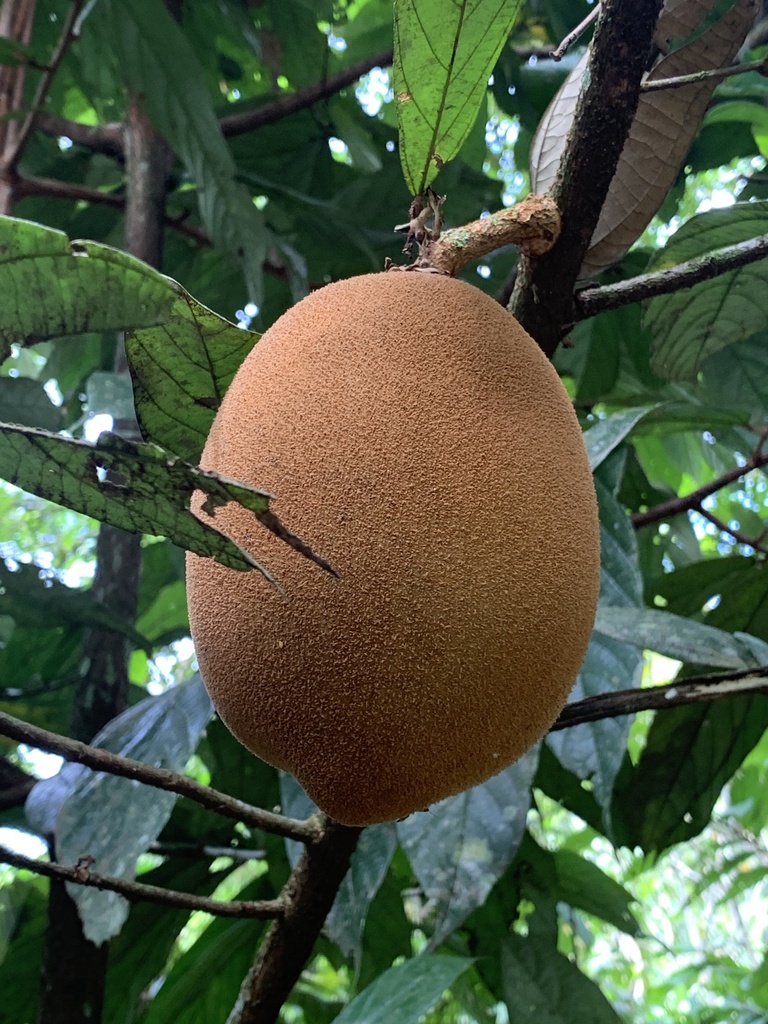
Theobroma grandiflorum, commonly known as Cupuaçu, is a tropical tree native to the Amazon rainforest, prized for its large, distinctive-smelling fruit. This majestic tree, which can reach up to 20 meters (65 feet) in its natural habitat, features large leaves and reddish flowers that develop into ovoid fruits with a creamy, aromatic pulp. It is ideal for spacious tropical gardens or as part of an agroforestry system, where its presence adds beauty and a valuable food resource.
Native range
Amazon basin in South America, especially in the Amazonian region of Brazil, Peru, and Colombia.
Care tips
It requires full sun to partial shade and a warm, humid climate, preferably with temperatures between 22-30°C (72-86°F). Watering should be frequent and abundant, ensuring the substrate remains consistently moist but well-drained to prevent waterlogging. Use a substrate rich in organic matter, slightly acidic (pH 5.0-6.5), and avoid frost at all costs, as it is extremely detrimental to this tropical species. A common mistake is insufficient ambient humidity, which can stress the plant.
How to save a dying Theobroma grandiflorum
- Warning signs
- Yellow or brown leaves with dry tips, premature leaf drop, soft stems.
- First aid
- Check drainage and soil moisture. Ensure high humidity and warm temperature.
- What kills it
- Low humidity and lack of water, or prolonged waterlogging leading to root rot.
- Can it be saved?
- Yes, if roots are not completely rotted; act quickly with necessary changes.