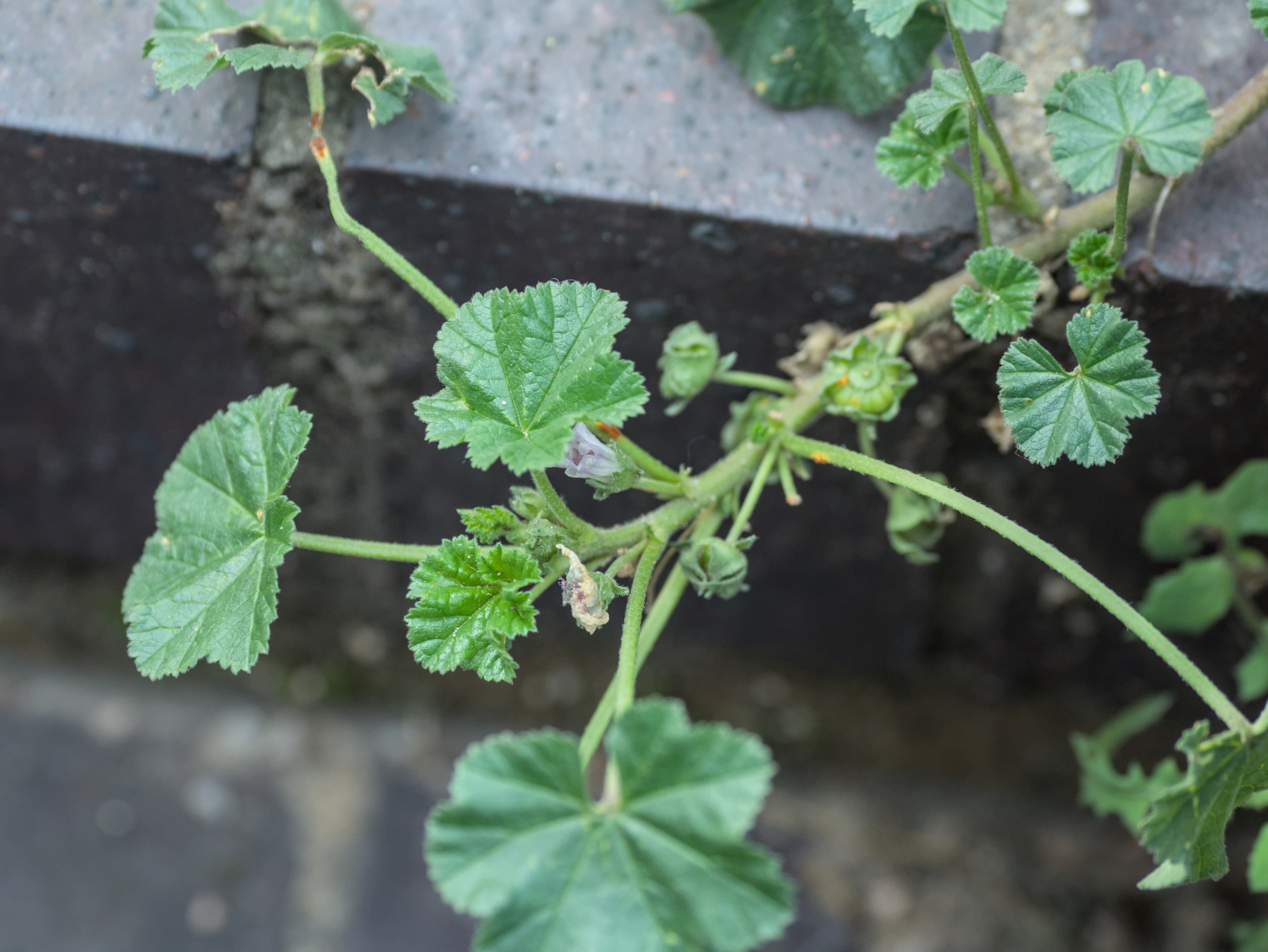
Common mallow (Malva neglecta)
Care, watering, light and tips for Common mallow on Floravia.
Quick facts
- Family: Malvaceae
- Difficulty: Easy to care for
- Watering: every 7 days
- Light: Partial shade
- Temperature: 10–30 °C
About Common mallow
Malva neglecta, commonly known as common mallow or cheese mallow, is an annual or biennial herbaceous plant belonging to the Malvaceae family, characterized by its rounded leaves and small, pale white to mauve flowers. It's a ruderal species that grows spontaneously in gardens, along roadsides, and in waste ground, adding a wild and natural touch. Although often considered a 'weed', its delicate flowers and resilience make it appealing for low-maintenance gardens or for promoting biodiversity.
Native range
Europe, Asia, and North Africa
Care tips
This mallow thrives in full sun to partial shade, adapting to a wide range of light conditions. It prefers well-drained, even poor soils, and watering should be moderate, as it tolerates drought quite well once established. A common mistake is trying to cultivate it in overly rich soils or with excessive watering, which can lead to leggy growth or fungal diseases. It is a very hardy plant that requires minimal additional care.
How to save a dying Common mallow
- Warning signs
- Yellowish or whitish leaves, soft and drooping stems, stunted growth, leaf spots. Mallow is tough, but shows distress.
- First aid
- Check drainage. Reduce watering if waterlogged. Protect from intense direct sun if overexposed. Check for pests like aphids.
- What kills it
- Overwatering is its biggest enemy, causing root rot. Also total lack of light or extreme cold and prolonged frosts in winter.
- Can it be saved?
- Yes, it's very resilient! With proper watering and good light, it recovers. If roots aren't completely rotten, there's hope.