Common mallow (Malva sylvestris)
Care, watering, light and tips for Common mallow on Floravia.
Quick facts
- Family: Malvaceae
- Difficulty: Easy to care for
- Watering: every 7 days
- Light: Partial shade
- Temperature: 10–30 °C
About Common mallow
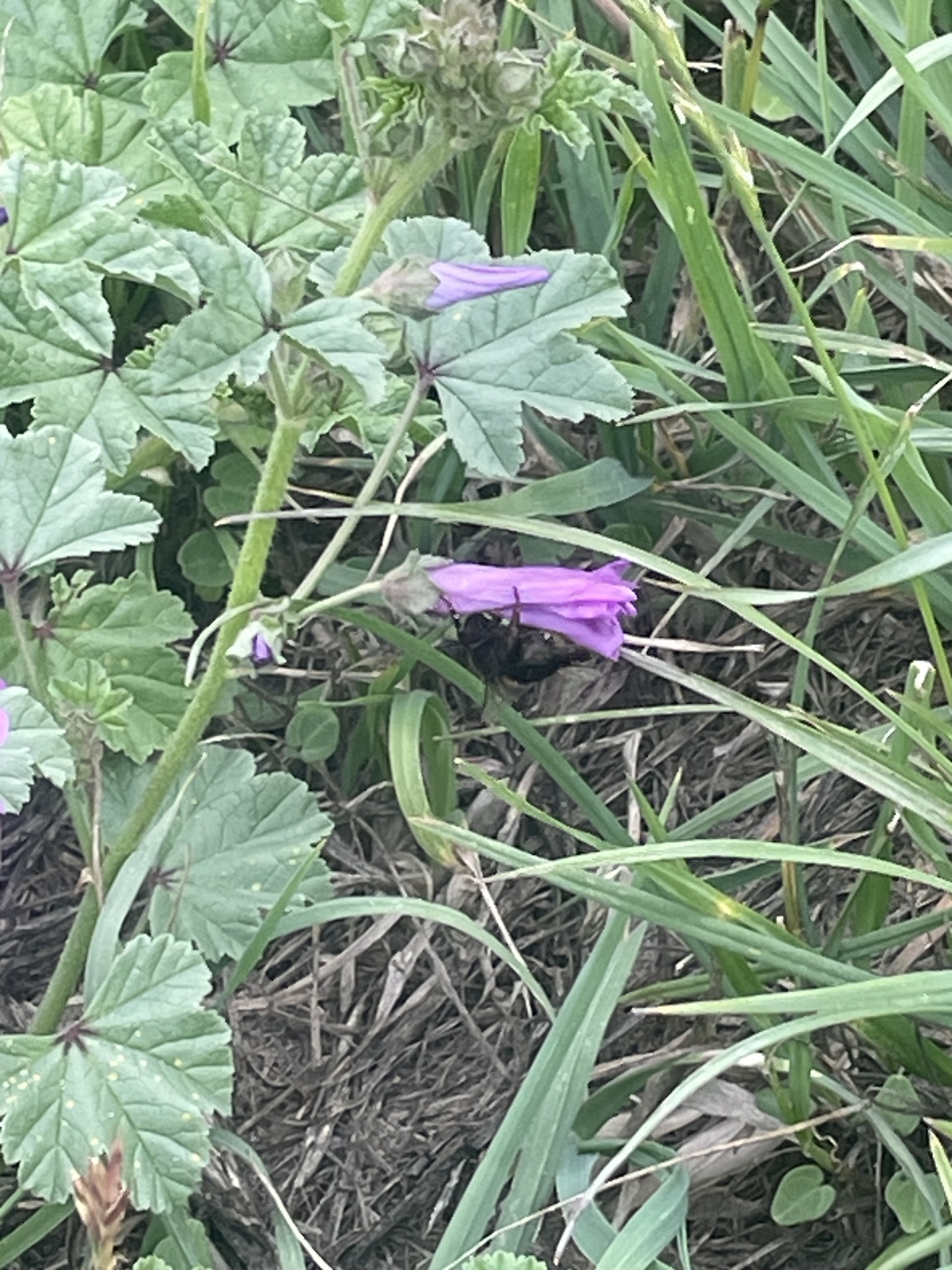
Malva sylvestris, commonly known as Common Mallow or Wild Mallow, is a perennial herbaceous plant from the Malvaceae family, valued for its showy purple flowers with darker veins. It grows to heights of 60-120 cm and features lobed leaves. It's ideal for cottage gardens, borders, or as a medicinal plant, adding a rustic and natural touch.
Native range
Europe, Asia, and North Africa
Care tips
It prefers full sun to partial shade exposure and is very tolerant of different soil types, though it benefits from well-drained substrates. Watering should be moderate, allowing the top layer of the soil to dry out between waterings, and it is quite drought-resistant once established. Avoid waterlogging, as it can lead to root rot, and perform light pruning after flowering to encourage new growth and blooming.
How to save a dying Common mallow
- Warning signs
- Yellowish or brown, wilted, soft leaves; weak, drooping stems. Mold might appear at the base.
- First aid
- Check drainage. If potted, repot with good drainage and light soil. If in ground, amend soil with organic matter. Drastically reduce watering. Remove affected parts.
- What kills it
- Overwatering is its worst enemy. Mallow hates waterlogging, which quickly rots its roots. Also heavy, poorly drained soil.
- Can it be saved?
- Yes, if you act quickly and the damage isn't irreversible. Cut off rot, improve drainage, and be very cautious with water.