Cape mallow (Anisodontea capensis)
Care, watering, light and tips for Cape mallow on Floravia.
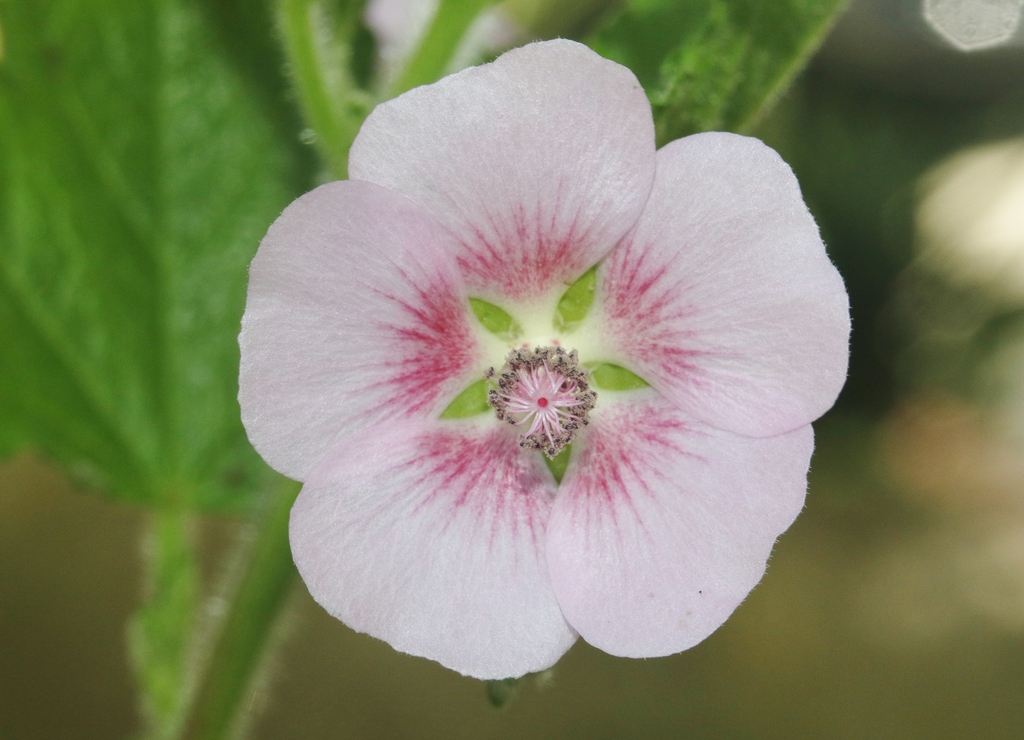
Quick facts
- Family: Malvaceae
- Difficulty: Easy to care for
- Watering: every 3 days
- Light: Partial shade
- Temperature: 10–30 °C
About Cape mallow
Anisodontea capensis, commonly known as 'Cape African-queen' or 'Cape Mallow', is a fast-growing perennial shrub native to South Africa, renowned for its profuse flowering. Its delicate pink or mauve, mallow-like flowers appear almost year-round, providing vibrant color. It's ideal for pots on patios, sunny borders, or as a low hedge, adding an exotic and cheerful touch to the garden.
Native range
South Africa
Care tips
It requires full sun exposure for optimal flowering, although it tolerates light partial shade in very hot climates. Watering should be regular, keeping the substrate moist but not waterlogged, especially during flowering and active growth periods. It prefers well-drained, fertile soil; a common mistake is overwatering in winter, which can lead to root rot. Prune lightly after each flush of flowers to encourage new growth and maintain a compact shape.
How to save a dying Cape mallow
- Warning signs
- Yellowing or wilting leaves, soft stems, sparse or no flowering. Could be due to overwatering, underwatering, or lack of light.
- First aid
- Check soil moisture. If dry, water thoroughly; if waterlogged, aerate and drain. Move to a spot with bright, indirect light.
- What kills it
- Constant root rot from overwatering is lethal. Also, prolonged extreme dryness or insufficient light.
- Can it be saved?
- Yes! It's quite resilient. With quick adjustments to watering and light, it usually recovers. Prune damaged parts to encourage new growth.