Japanese lime (Tilia japonica)
Care, watering, light and tips for Japanese lime on Floravia.
Quick facts
- Family: Malvaceae
- Difficulty: Moderate care
- Watering: every 7 days
- Light: Partial shade
- Temperature: 10–30 °C
About Japanese lime
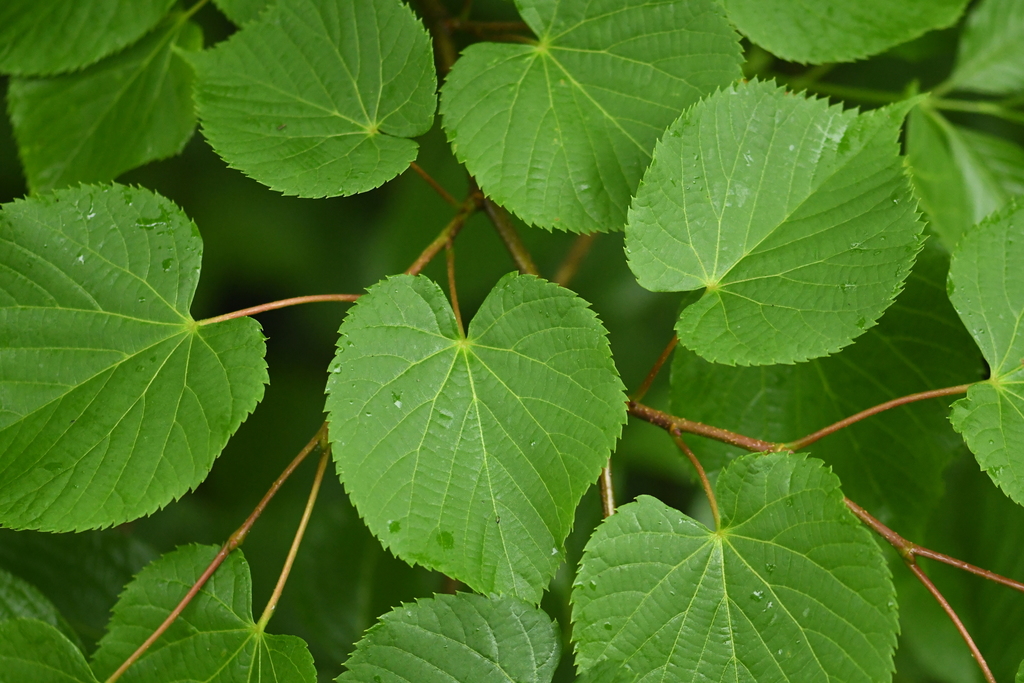
Tilia japonica, commonly known as Japanese Linden, is a medium to large deciduous tree cherished for its dense foliage and fragrant creamy flowers that attract pollinators in summer. Its conical to rounded shape and attractive bark make it ideal as a shade tree in parks, large gardens, or avenues. It is a robust and ornamental choice for both urban and rural landscapes.
Native range
Eastern Asia, specifically Japan.
Care tips
It prefers full sun to partial shade and well-drained, fertile, slightly acidic to neutral soils. Ensure regular watering during the first few years and in dry periods, keeping the substrate moist but not waterlogged. Avoid highly compacted soils or those with poor drainage, as this can lead to root rot issues. It is quite tolerant of urban pollution but benefits from formative pruning in its early years to establish a strong structure.
How to save a dying Japanese lime
- Warning signs
- Yellow or brown leaves falling prematurely, weak shoots, no flowering.
- First aid
- Check soil moisture; water deeply if dry. Protect from intense direct sun and strong winds.
- What kills it
- Prolonged drought or constant waterlogging. Stress from improper transplanting or excessive pruning.
- Can it be saved?
- Yes, if acted upon quickly. Ensure adequate watering and a protected location. Prune dead branches.