Hollyhock (Alcea rosea)
Care, watering, light and tips for Hollyhock on Floravia.
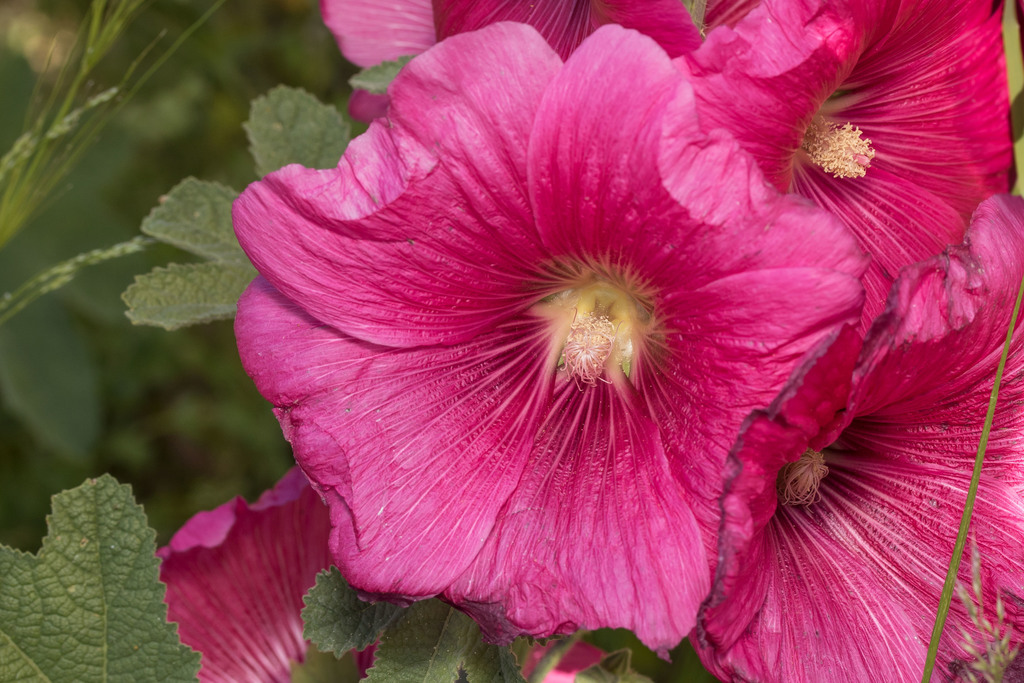
Quick facts
- Family: Malvaceae
- Difficulty: Easy to care for
- Watering: every 3 days
- Light: Partial shade
- Temperature: 10–30 °C
About Hollyhock
Alcea rosea, commonly known as hollyhock or praktstokkrose, is a short-lived perennial or biennial plant from the mallow family, cherished for its impressive flower spikes that can reach up to 2.5 meters in height. Its large, trumpet-shaped flowers, ranging from pure white to pink, red, purple, and nearly black, bloom from early summer to early autumn, adding a rustic and vertical touch to any garden. It is ideal for the back of borders, along walls or fences, and as a focal point in cottage-style gardens.
Native range
Asia, from Southwest to Central, especially China
Care tips
For optimal growth, hollyhocks require full sun (at least 6 hours daily) and well-drained, fertile, slightly alkaline soil. Keep the soil consistently moist, especially during dry spells, but avoid waterlogging to prevent root rot. A common mistake is failing to provide support for the tall flower spikes, which can cause them to bend or break in the wind; staking is crucial. Be aware that hollyhocks are susceptible to rust, a fungal disease appearing as orange spots on leaves; ensure good air circulation and remove affected foliage.
How to save a dying Hollyhock
- Warning signs
- Yellow or spotted leaves, soft stems, no blooms, general wilting.
- First aid
- Check soil moisture, repot if waterlogged or very dry, prune affected stems.
- What kills it
- Overwatering rotting roots or drought. Lack of direct sunlight.
- Can it be saved?
- Yes, if roots aren't completely rotted and you act fast. Give sun and good drainage.