Chilean jasmine (Mandevilla longiflora)
Care, watering, light and tips for Chilean jasmine on Floravia.
Quick facts
- Family: Apocynaceae
- Difficulty: Moderate care
- Watering: every 4 days
- Light: Partial shade
- Temperature: 10–30 °C
- Toxicity: Toxic to pets
About Chilean jasmine
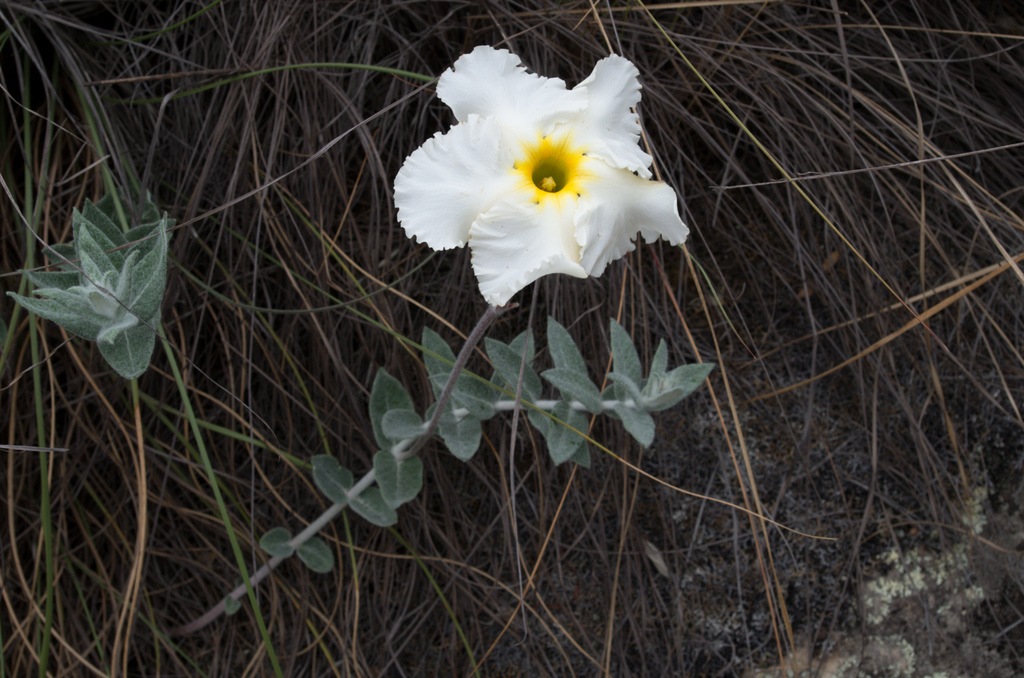
Mandevilla longiflora, commonly known as flor-de-babeiro, is a beautiful climbing plant from the Apocynaceae family, prized for its large, showy, trumpet-shaped flowers, often in shades of pink or white. Its flexible stems and glossy leaves make it an excellent choice for covering pergolas, trellises, or as a hanging plant in baskets, adding a tropical touch to any garden or patio. It blooms profusely during warm months, attracting pollinators and creating a stunning visual display.
Native range
South America, specifically Brazil, Paraguay, Uruguay, and northeastern Argentina.
Care tips
It requires full sun to partial shade exposure for optimal flowering, avoiding the most intense midday hours in very hot climates. Watering should be regular during the growing season, keeping the substrate moist but not waterlogged, and reducing it in winter. It prefers well-drained soil rich in organic matter; a common mistake is overwatering, which can lead to root rot.
How to save a dying Chilean jasmine
- Warning signs
- Yellow or brown falling leaves, soft stems, no blooms.
- First aid
- Check drainage and soil moisture. If waterlogged, remove excess water. Prune damaged stems.
- What kills it
- Overwatering (root rot) or lack of climbing support. Sensitive to cold.
- Can it be saved?
- Yes, if roots aren't totally rotted and green stems remain. Provide light and good drainage.